


Bellows Sealed Globe Valve


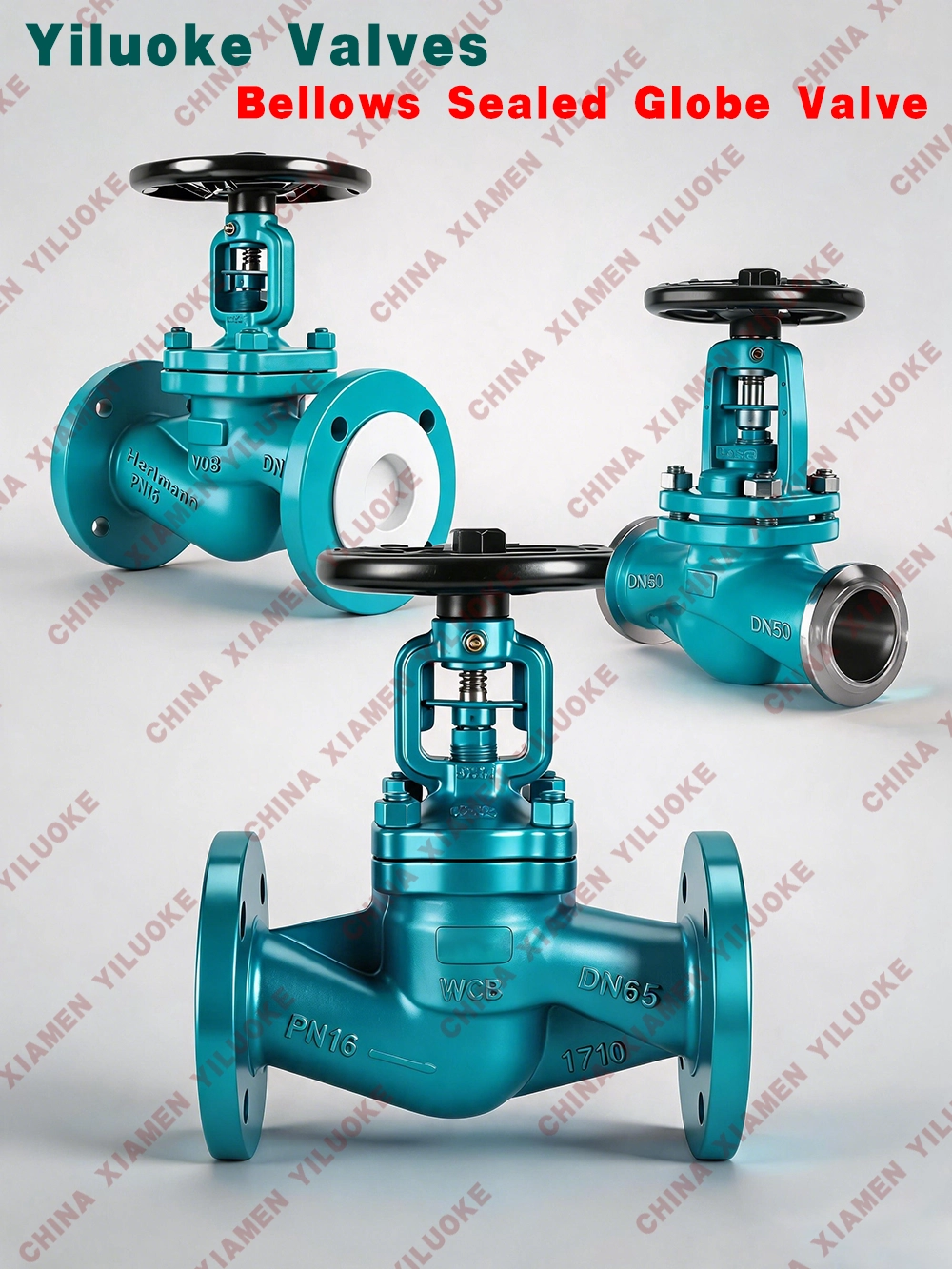
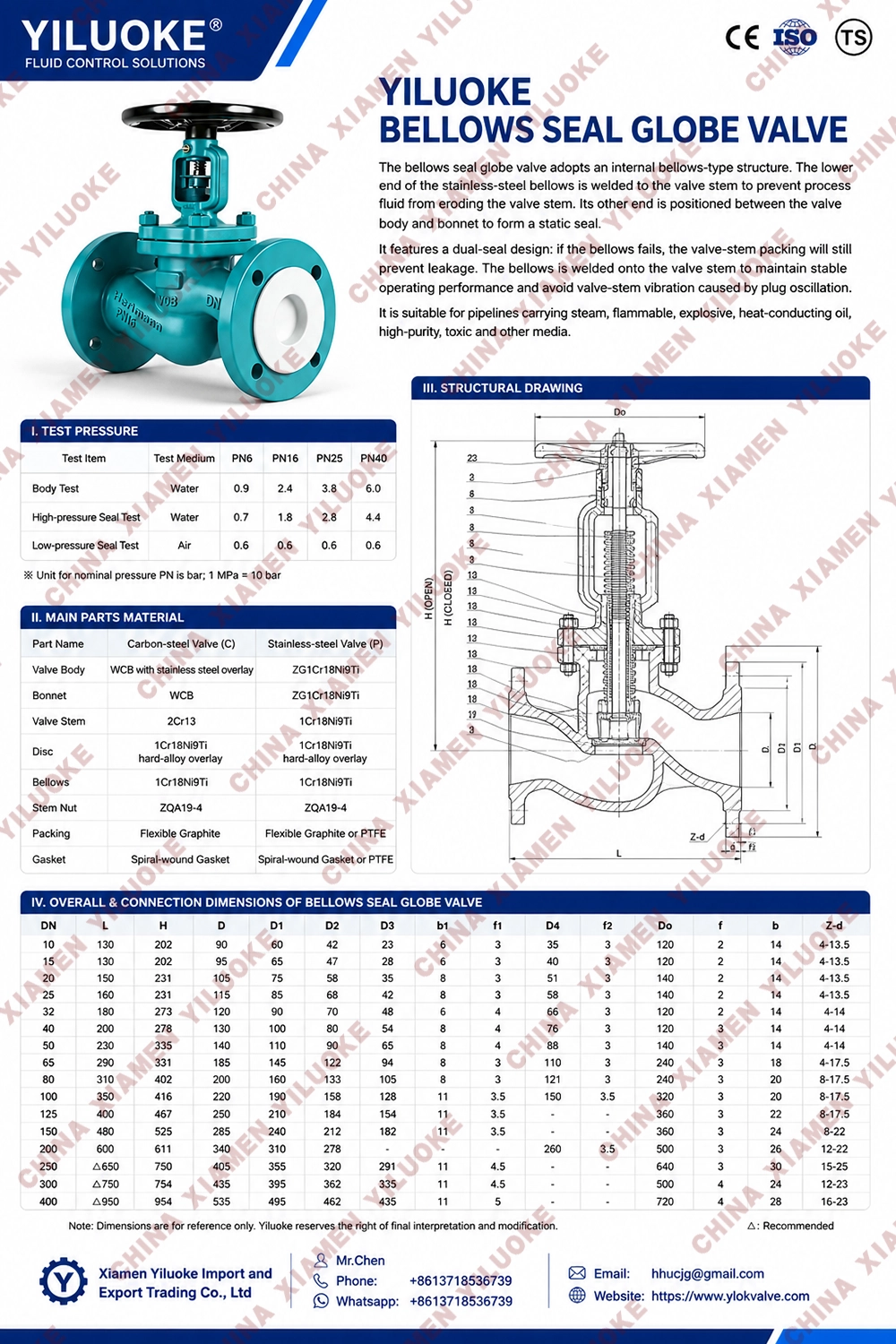
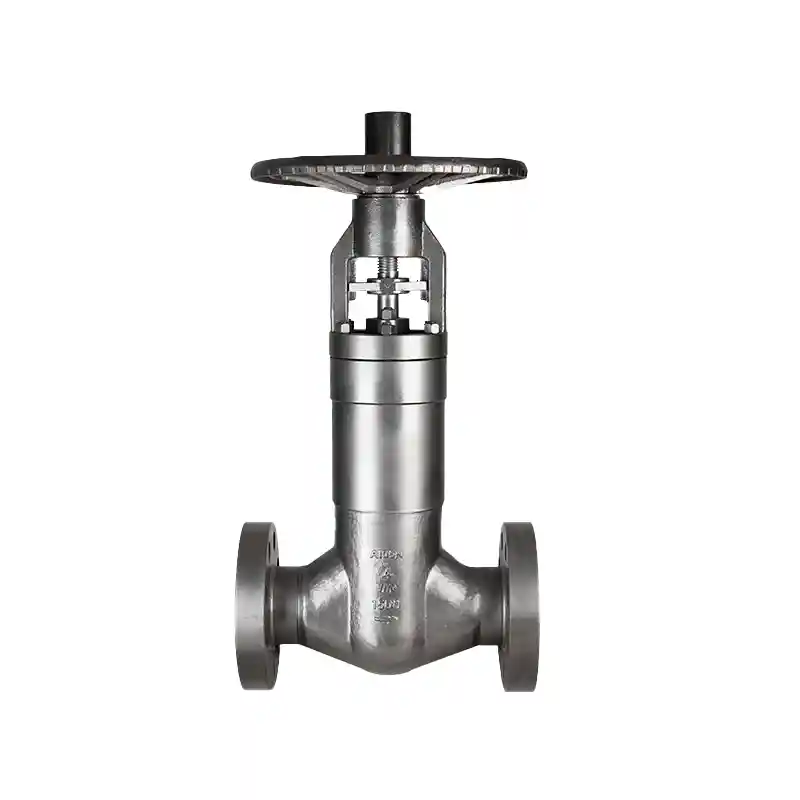
Bellows Sealed Globe Valve, also known as bellows sealed stop valve, features an automatic girth welding design that forms a metal barrier between the fluid medium and the atmosphere, ensuring zero leakage of the valve stem. The valve incorporates an internal bellows structure: the lower end of the stainless steel bellows is welded to the valve stem to prevent corrosion of the stem by process fluids, while the other end is positioned between the valve body and bonnet to form a static seal. Equipped with a dual‑seal design (bellows + packing), the valve stem packing will prevent leakage if the bellows fails. The bellows is welded to the valve stem to maintain stable operating performance and avoid stem vibration caused by plug oscillation. It is ideally suited for pipelines carrying media such as steam, flammable, explosive, heat transfer oil, high‑purity, and toxic substances.
Design Specification
The bellows sealed globe valve forms isolation between process medium and atmosphere by welding metal bellows between valve body‑stem or bonnet‑stem, achieving zero stem leakage. Conventional bellows sealed globe valve consists of valve body, bonnet, disc, valve stem, bellows and stem driving device. The bonnet is mounted on top of valve body for upper‑end sealing. The disc is installed inside valve body to open and close flow passage. One end of stem connects with disc, the other end passes through bonnet and connects to driving unit. The driving device drives stem and disc to lift synchronously. Bellows is sleeved on stem, one end welded to stem and the other end welded to bonnet. Sealing parts matched with disc are arranged inside valve body. Flow passage closes when disc compresses against sealing component and opens when disc separates. Since bellows directly contacts process medium, solid particles in medium will strike bellows randomly when handling fluid with high solid‑particle content, which may cause bellows rupture and subsequent leakage failure.
Technical Features
Reasonable product structure, reliable sealing performance, and aesthetic appearance;
Sealing surface overlay welded with Co‑based cemented carbide, offering excellent wear resistance, corrosion resistance, anti‑friction performance, and long service life;
Valve stem undergoes quenching and tempering with surface nitriding treatment, ensuring good corrosion resistance and anti‑friction properties;
Dual‑seal design (bellows + packing) for enhanced reliability—valve stem packing prevents leakage if the bellows fails, complying with international sealing standards;
Intuitive indication of valve stem lifting position;
Part materials, flanges, and butt weld dimensions can be customized according to actual working conditions or user requirements to meet various engineering needs;
No fluid loss, reducing energy consumption and improving plant equipment safety;
Long service life, minimizing maintenance frequency and operational costs;
Robust bellows seal design guarantees zero valve stem leakage and maintenance‑free operation;
PTFE soft sealing material for gas medium valve seats enhances sealing performance;
Tapered hard‑sealed valve seats for high‑temperature applications achieve airtight zero leakage.
Basic Technical Standards
| Item | Specification |
| Operation Mode | Manual, Electric |
| Design Standard | DIN3356 |
| Face‑to‑Face Dimension | DIN3202 |
| Flange Connection Standard | DIN2543~DIN2545 |
| Test & Inspection Standard | DIN3230 |
Product Performance Specification
| Nominal Pressure (MPa) | Body Test Pressure (MPa) | Seat Test Pressure (MPa) | Operating Temperature |
| 1.6 | 2.4 | 1.76 | ≤350℃ |
| 2.5 | 3.75 | 2.75 | ≤350℃ |
| 4.0 | 6.0 | 4.4 | ≤350℃ |
| 6.4 | 9.6 | 7.04 | ≤350℃ |
Note: Flange connection can be customized as customer’s requirements.
Main Component Materials
| Material Grade | Valve Body | Bonnet | Stem | Disc | Sealing Surface | Packing |
| Carbon Steel | WCB | WCB | 13Cr | 2Cr13 | 2Cr13 / STL | Flexible Graphite |
| 304 Stainless Steel | CF8 | CF8 | 304 | 304 | 304 / STL | Flexible Graphite, PTFE |
| 316 Stainless Steel | CF8M | CF8M | 316 | 316 | 316 / STL | Flexible Graphite, PTFE |
| 304L Stainless Steel | CF3 | CF3 | 316 | 304L | 304L / STL | Flexible Graphite, PTFE |
| 316L Stainless Steel | CF3M | CF3M | 316 | 316L | 316L / STL | Flexible Graphite, PTFE |
General Specification Parameters
| Item | Specification |
| Body Material | Carbon steel, stainless steel, alloy steel |
| Nominal Diameter | NPS 1/2"-24", DN15‑600 |
| Pressure Range | Class 150‑2500, PN10‑420 |
| Operating Temperature | -46°C~+538°C |
| Actuation Method | Manual, electric, etc. |
| Application Scope | Tap water, sewage, construction, petroleum, chemical industry, food, pharmaceutical, textile, power, shipping, metallurgy, energy systems, etc. |
Difference Between Bellows Sealed Globe Valve and Ordinary Globe Valve
1. Bellows sealed globe valve achieves zero external leakage and delivers higher safety for hazardous media.
2. Ordinary globe valve adopts packing sealing. Sliding occurs between stem and packing, which tends to cause leakage under low‑temperature conditions.
3. Bellows sealed globe valve uses stretchable and compressible sealed bellows instead of packing seal, effectively preventing external leakage caused by packing wear. It is commonly used for highly permeable medium such as hydrogen system; no external leakage occurs as long as bellows remains intact. Ordinary globe valve relies on packing for sealing and leakage risk exists.
4. Bellows sealed globe valve features relatively short opening‑closing stroke and reliable shut‑off performance. Since port opening varies proportionally with disc stroke, it performs well for flow regulation. Therefore, bellows sealed globe valve is suitable for shut‑off, regulating and throttling services.
Leave Your Message
Products categories
-
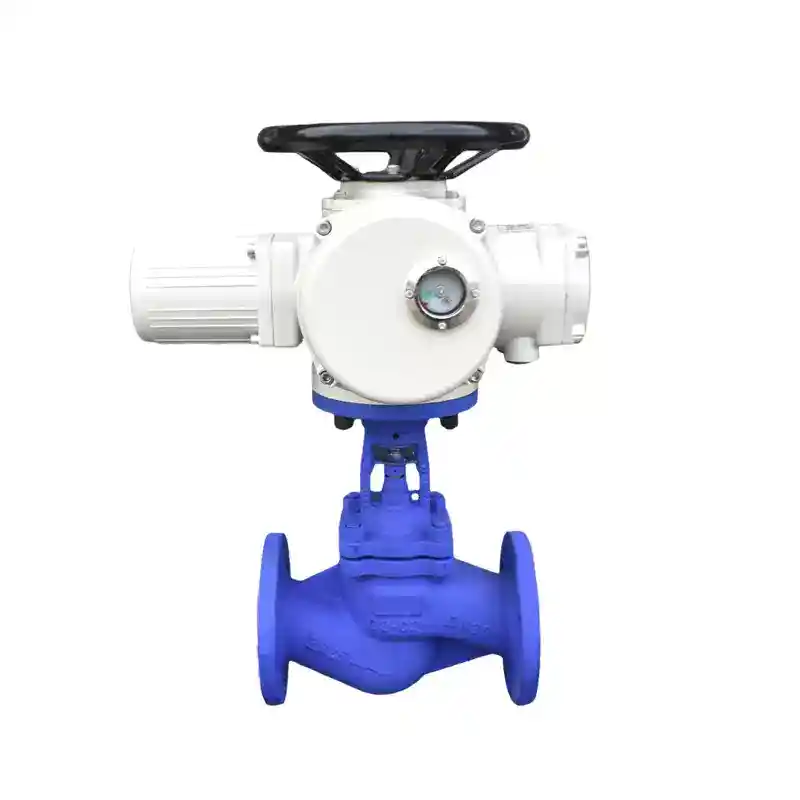
Electric Actuated Bellows Sealed Globe Valves
-
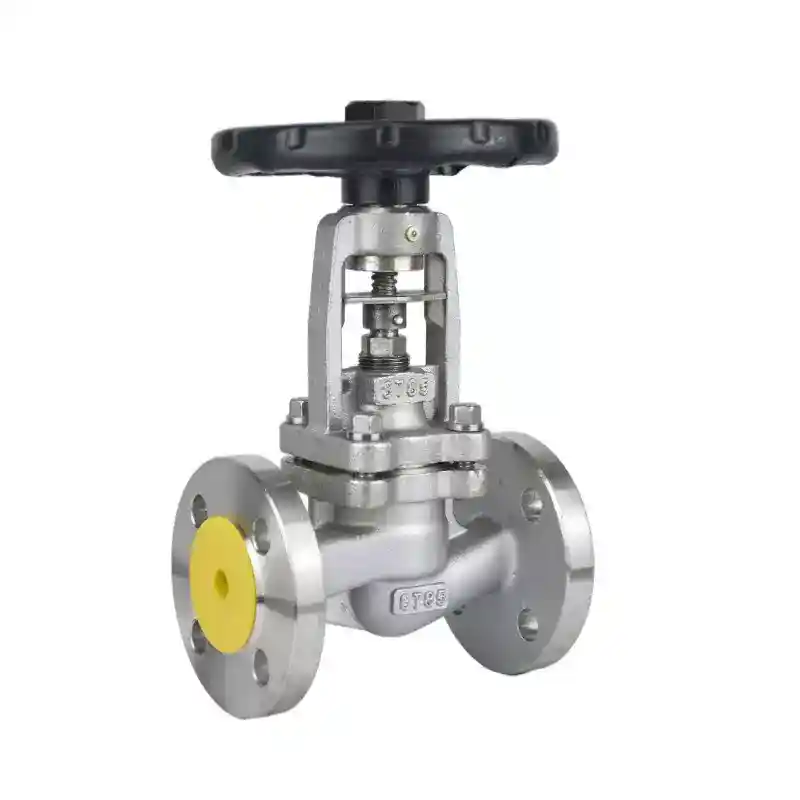
Bellows Sealed Globe Valve for Ammonia
-
High-Temperature High-Pressure Bellows Sealed Globe Valve
-

ASME ANSI API Standard Bellows Sealed Globe Valve
-

Extended Bellows Sealed Globe Valve
-

DIN Bellows Sealed Globe Valve
-

Angle Type Bellows Sealed Globe Valve
-

Y Type Bellows Sealed Globe Valve
-

Stainless Steel Bellows Sealed Globe Valve