


Lug Butterfly Valves
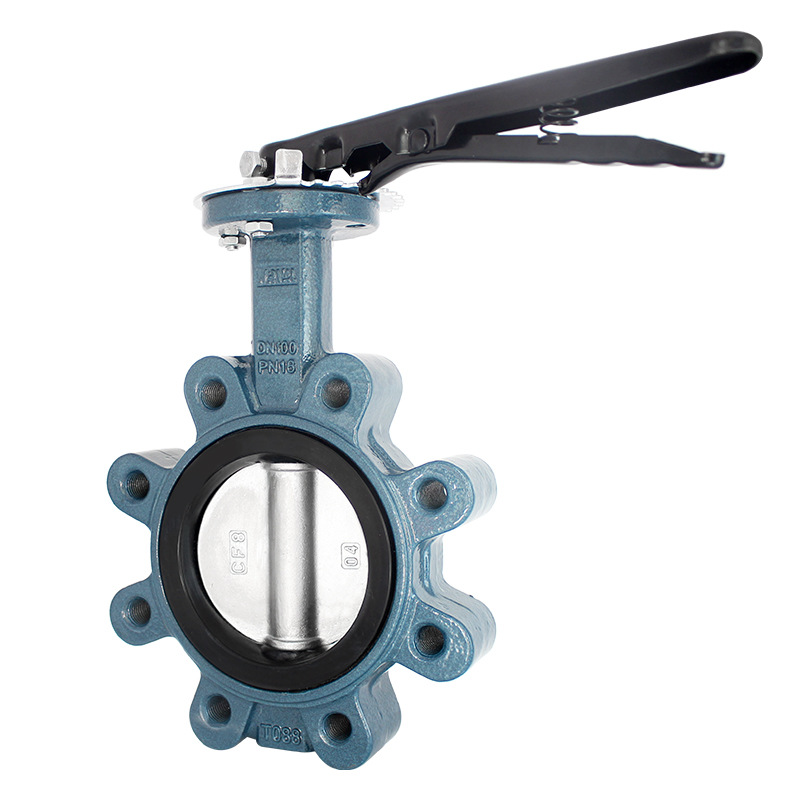
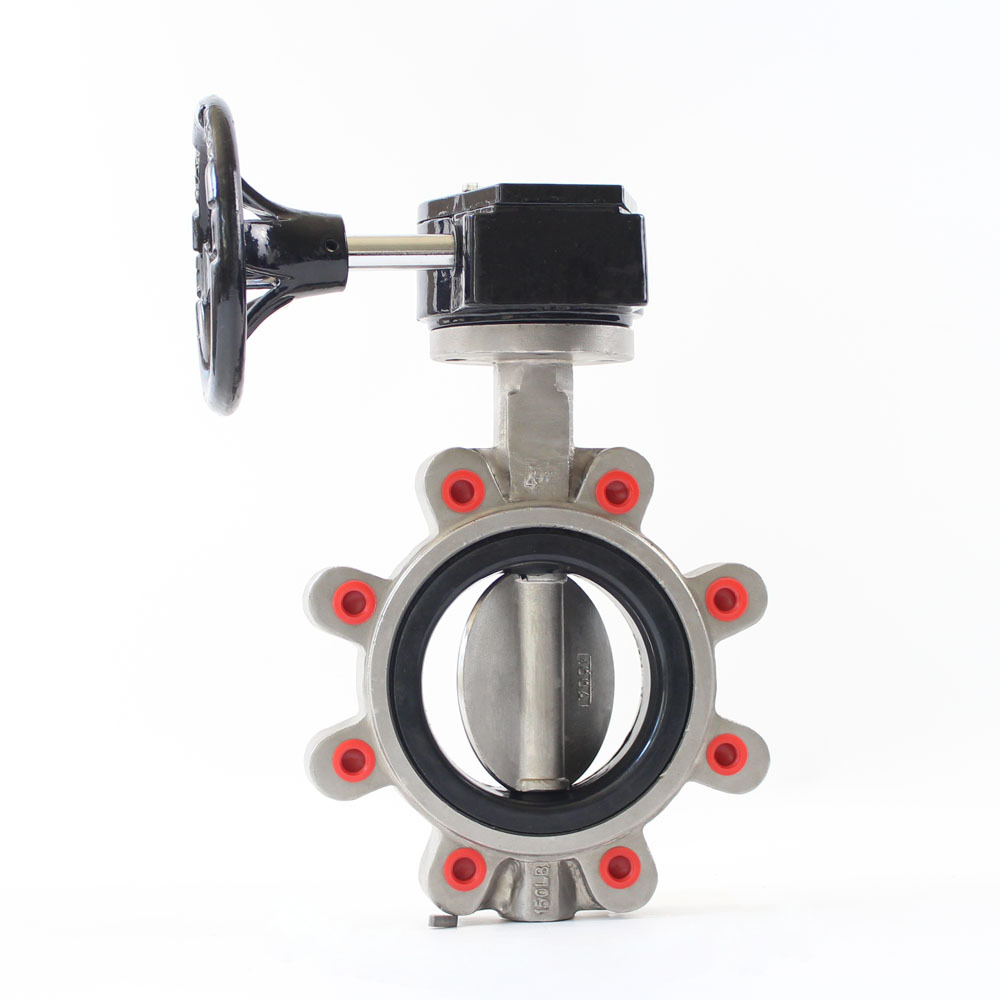
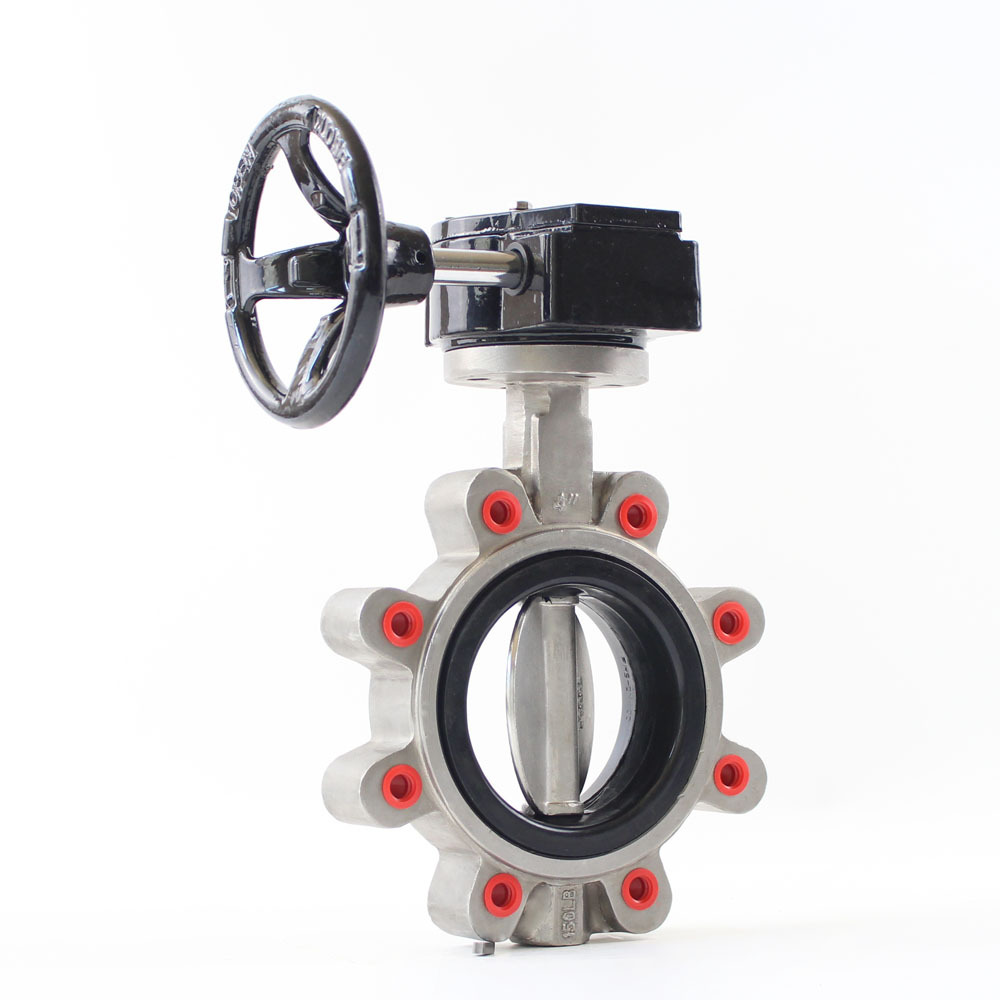
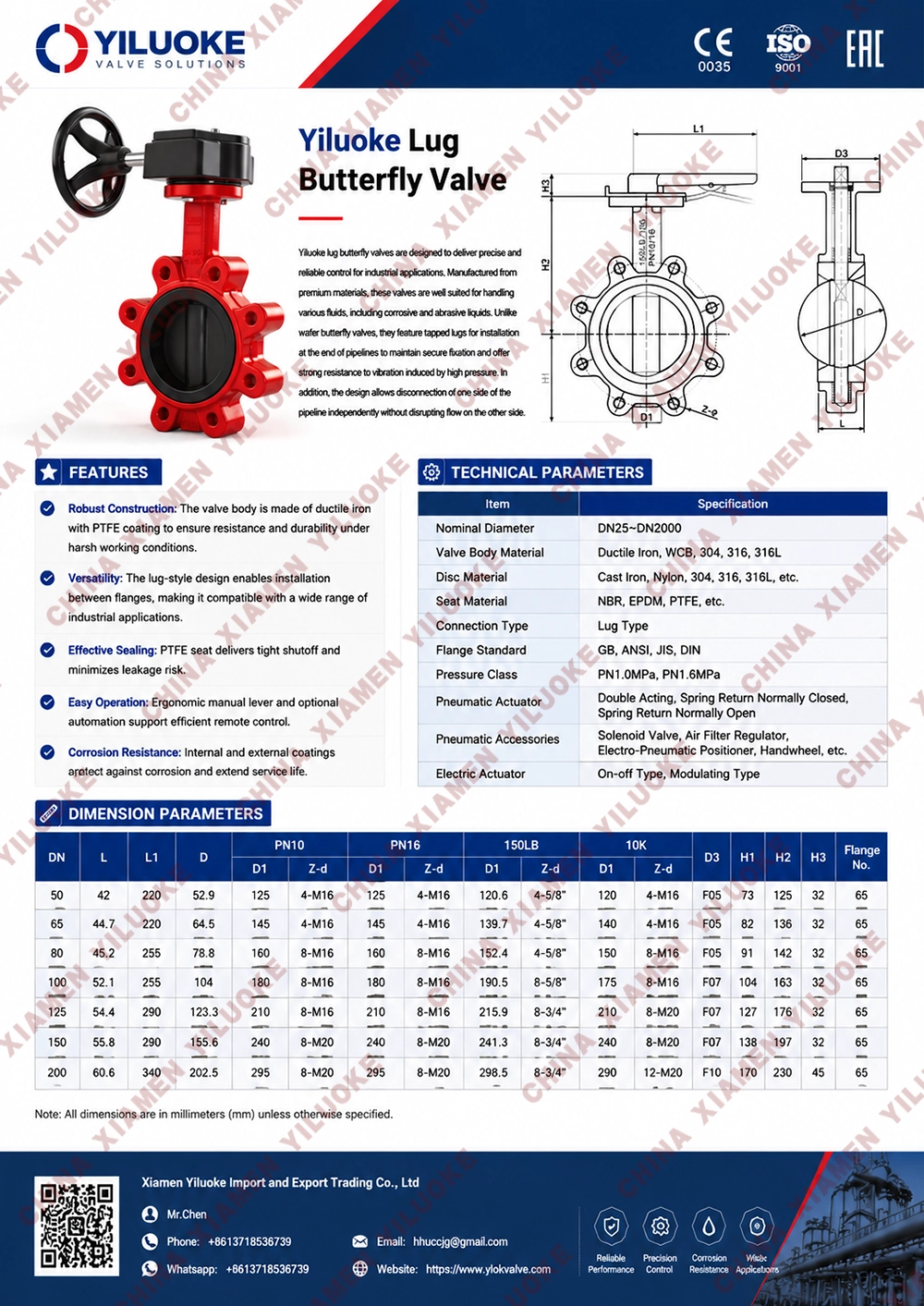
Lug type butterfly valve features simple structure, compact size and light weight, composed of only a few components. The disc can be opened and closed rapidly by rotating 90°, with easy operation and excellent fluid control characteristics. When fully open, the disc brings minimal resistance to the medium, resulting in low pressure drop across the valve. Lug type butterfly valve owns simple structure, reliable performance and wide application range.
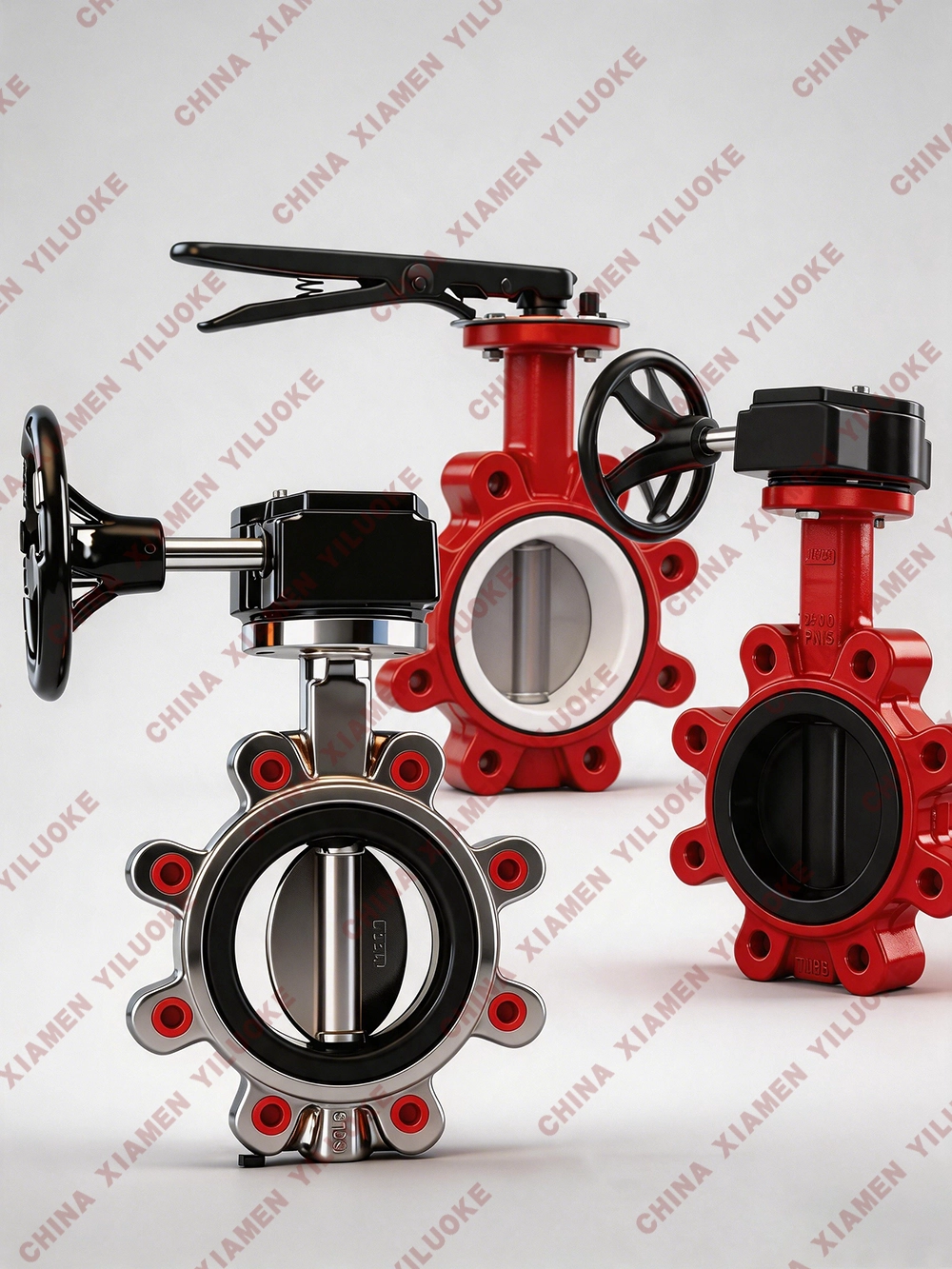
Structural Features
1. Innovative and reasonable design with special structure, light weight and fast opening & closing.
2. Low operating torque, easy and labor-saving operation.
3. It can be installed at any position and convenient for maintenance.
4. Replaceable sealing element with reliable bi-directional zero leakage performance.
5. The sealing material features aging resistance, corrosion resistance and long service life.
6. Complete sealing performance with zero gas leakage under test.
7. Available with different component materials to adapt to various media.
Structure Components
Valve Body: The body of lug butterfly valve is equipped with multiple threaded lugs for connecting and fixing with flanges, generally made of cast iron, stainless steel, aluminum alloy or other corrosion-resistant materials.
Disc: The core component to control medium flow. It rotates 90° to realize opening or closing, normally made of stainless steel, alloy or plastic to meet required corrosion resistance and wear resistance.
Valve Stem: Connects disc and actuator to transmit opening and closing torque. It is usually made of stainless steel or other high-strength materials to guarantee long-term reliable operation.
Sealing Ring: Located between disc and valve body, generally manufactured from elastic materials such as EPDM, NBR and Viton to ensure gas and liquid tightness when the valve is closed.
Actuator: Used to drive the opening and closing of disc, including manual operation via handle or handwheel, and automatic operation through electric or pneumatic devices.
Technical Parameters
| Item | Specification | Item | Specification |
|---|---|---|---|
| Brand | Xiamen Yiluoke | Product Name | Lug Type Wafer Butterfly Valve |
| Model | LTD71X | Body Material | Ductile Iron QT450 / Carbon Steel WCB / CF8 / CF8M / CF3M |
| Connection Type | Lug Wafer | Nominal Size | DN50~DN600 |
| Actuation | Manual | Applicable Media | Water, gas, oil |
| Temperature Range | -20℃~120℃ | Nominal Pressure | 1.0MPa-1.6MPa / 10K / 150LB |
| Design & Manufacture Standard | GB/T 12238-2008; ISO 10631-1991; API598 | Face-to-Face Standard | GB/T 12221-2005; ISO 5752-1988 |
| Valve Inspection Standard | GB/T 13927-2008; ISO 5208-1987 | Manufacturing Standard | GB, JB, HG, ANSI, API, JIS, DIN and customized standards |
Application Fields of Lug Type Butterfly Valve
Chemical Industry: Applied in pipeline systems for chemical production, especially suitable for conveying corrosive media and occasions requiring high sealing performance.
Water Treatment: In water supply, drainage and sewage treatment systems, lug butterfly valves control water flow, isolate system sections or facilitate equipment maintenance.
Food & Beverage Industry: Thanks to easy cleaning and bi-directional sealing characteristics, lug butterfly valves are widely used in conveying systems for food and beverage production to meet sanitary standards.
Pharmaceutical Industry: Adopted in liquid processing systems for pharmaceutical production to ensure high cleanliness and tight sealing effect.
Oil & Gas: In oil and gas pipelines, lug butterfly valves control flow, isolate pipeline sections and perform safe operation, adapting to high pressure and harsh environments.
HVAC System: Used in heating, ventilation and air conditioning systems to adjust air flow and control airflow distribution.
Operation & Maintenance Recommendations
Regularly inspect bolts and threads: Lug butterfly valves rely on threaded connections. Check the condition of bolts and threads periodically to ensure firm connection and prevent leakage caused by loosening.
Maintain sealing ring: The sealing ring is the key component to guarantee sealing performance. Regularly check wear and aging status, and replace it as required.
Lubricate valve stem: If the stem is made of metal, conduct regular lubrication to reduce friction and extend service life.
Notice installation direction: For bi-directional sealing applications, though the valve can withstand bi-directional flow, follow the flow direction recommended by the manufacturer during installation to optimize performance.
Avoid excessive operating force: Do not apply excessive force during manual operation to prevent damage to valve stem or disc and valve failure.
Leave Your Message
Products categories
-
Powder Butterfly Valve
-
Double Eccentric High‑Performance Butterfly Valve
-
UPVC Plastic Butterfly Valve
-
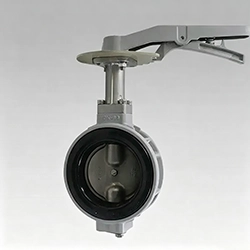
Aluminum Alloy Anti‑Condensation Butterfly Valve
-
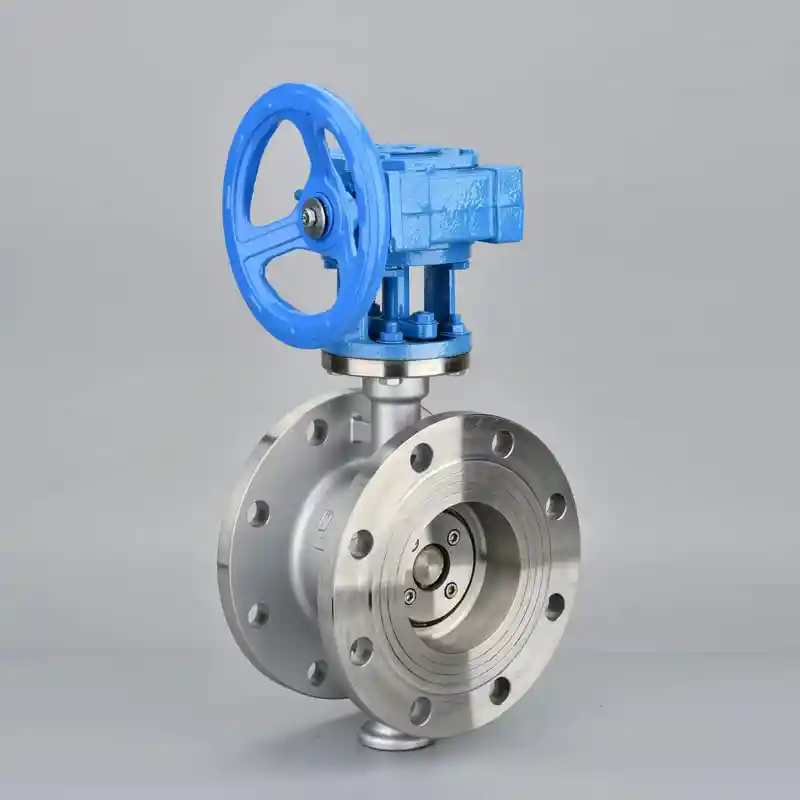
Stainless Steel Metal Hard Seal Butterfly Valves
-
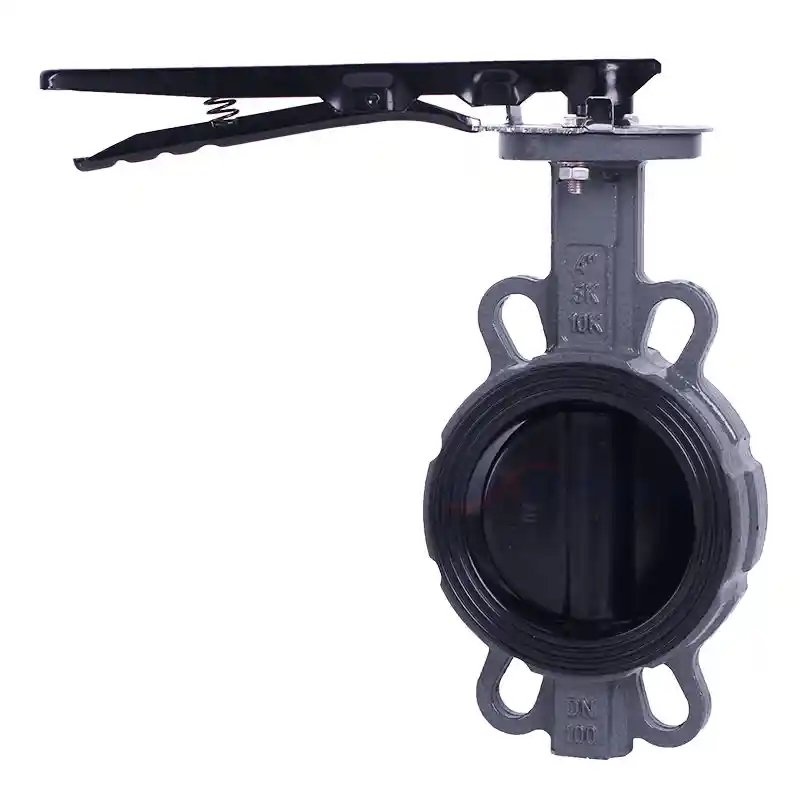
Rubber Lined Butterfly Valves
-
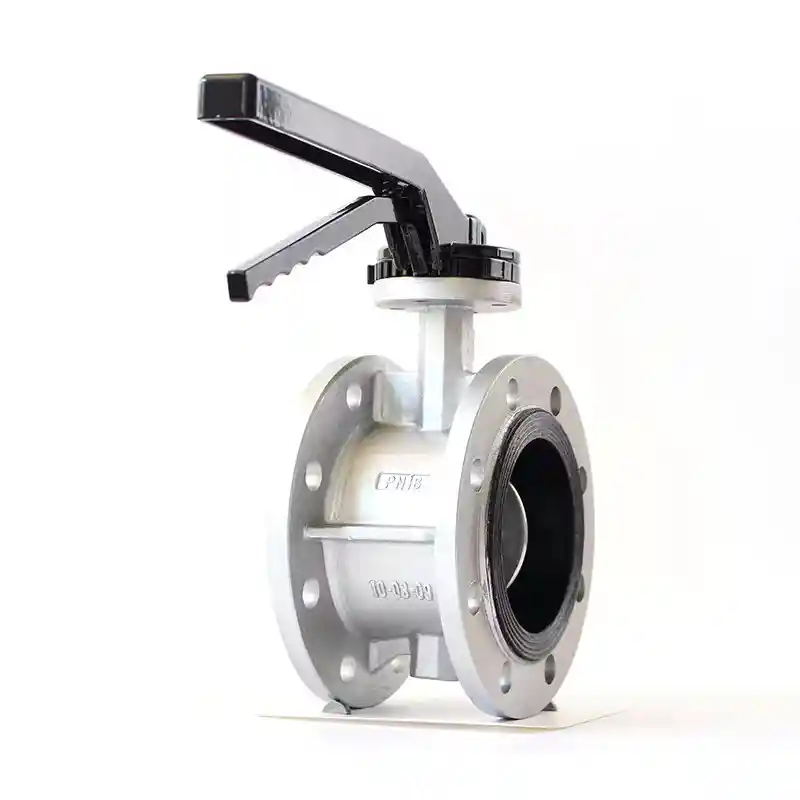
Stainless Steel Flanged Butterfly Valves
-
PTFE-Lined Butterfly Valves
-
Wafer Type Butterfly Valves