


Wafer Type Butterfly Valves
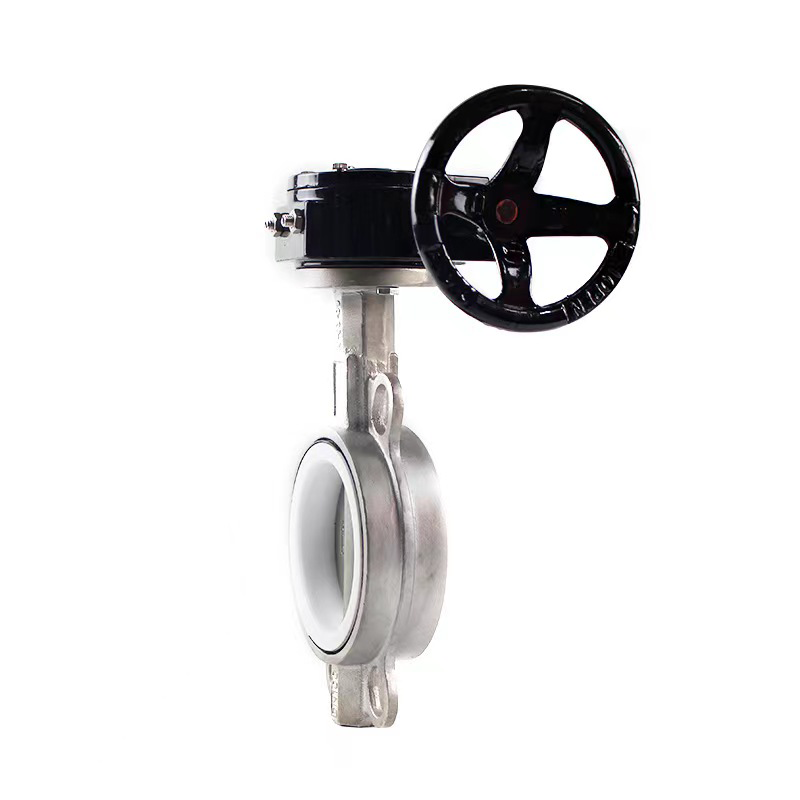
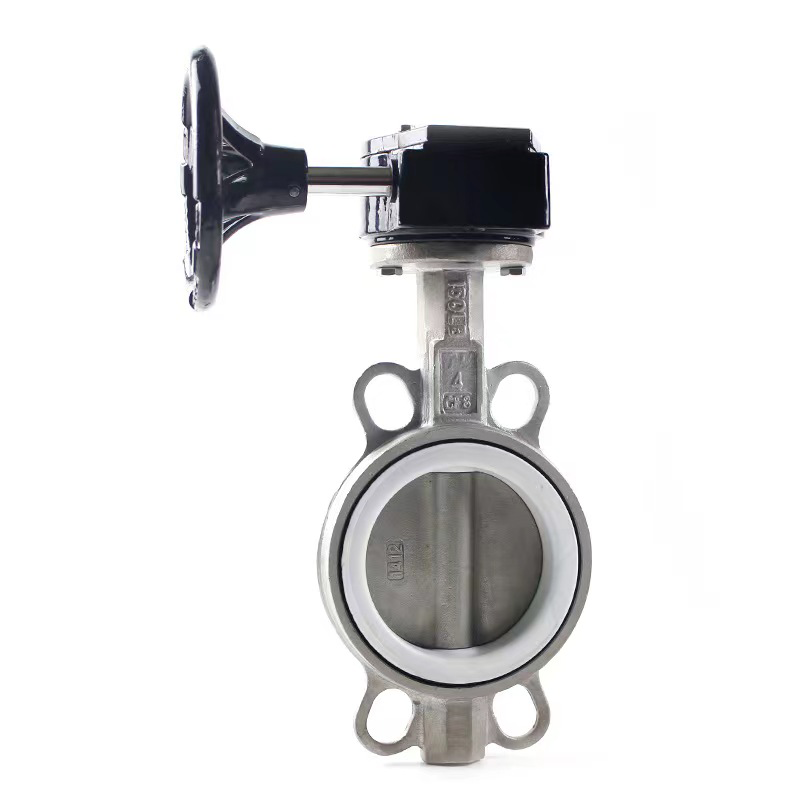
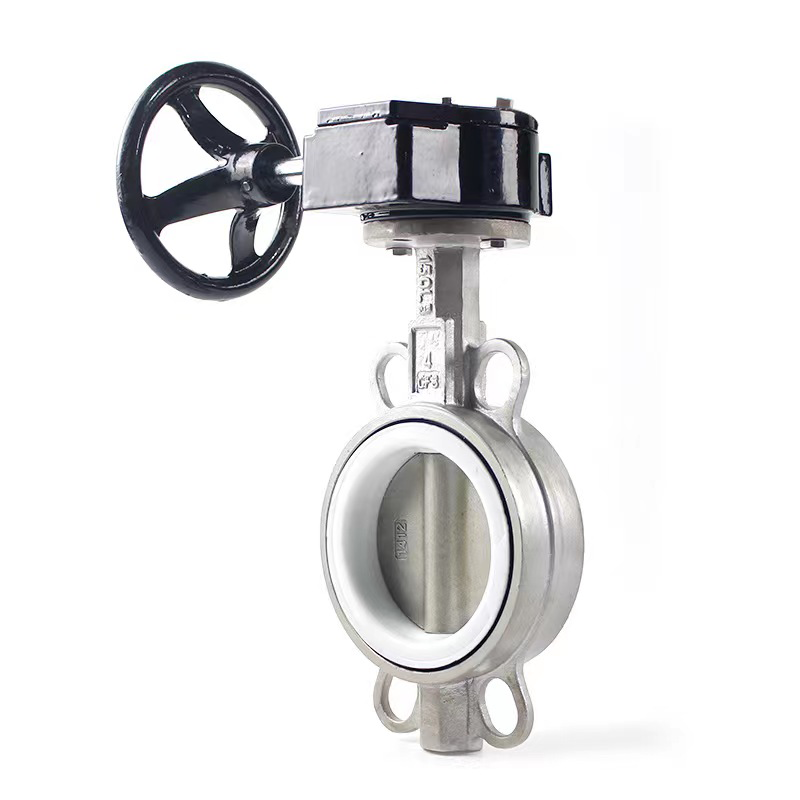
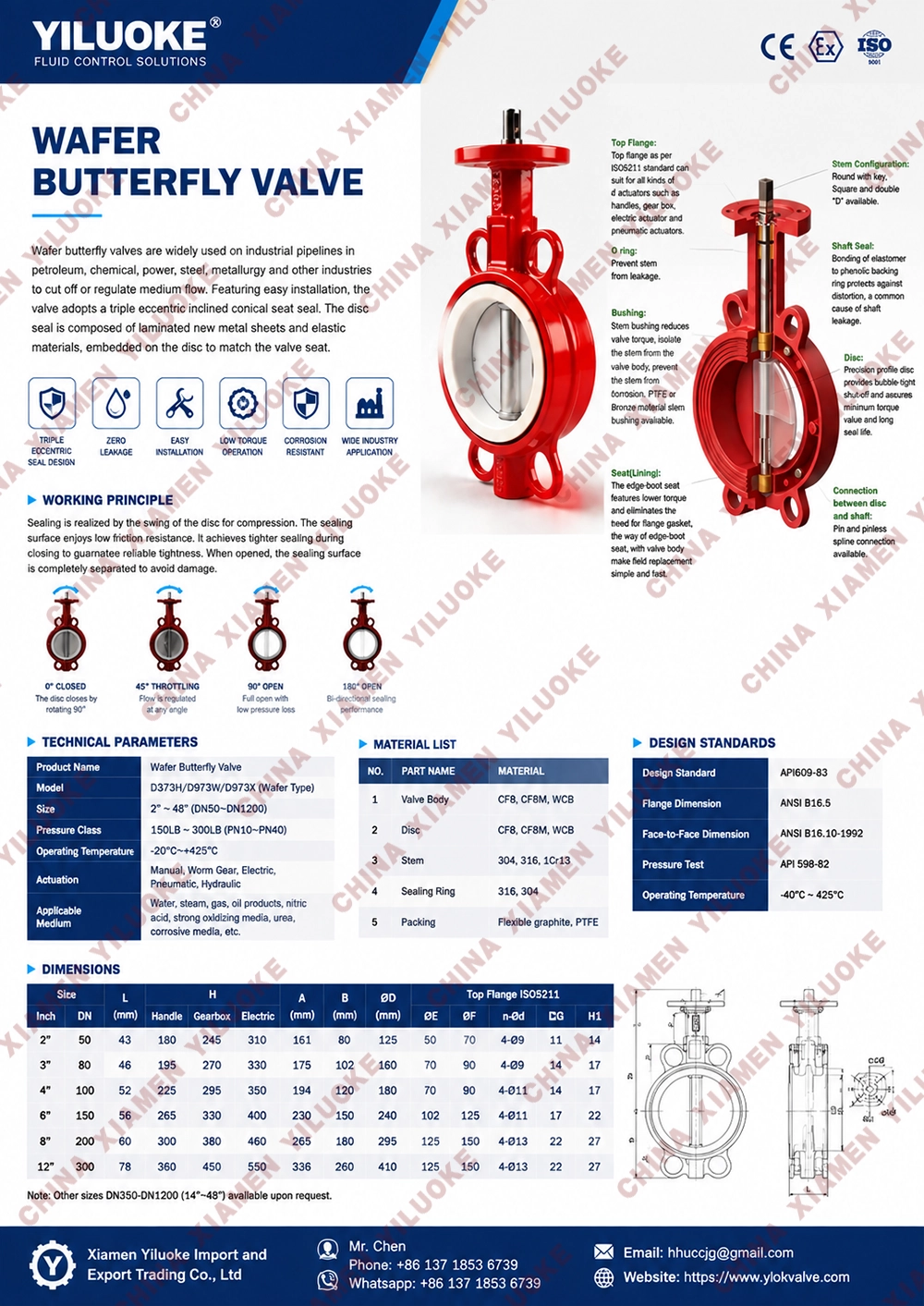
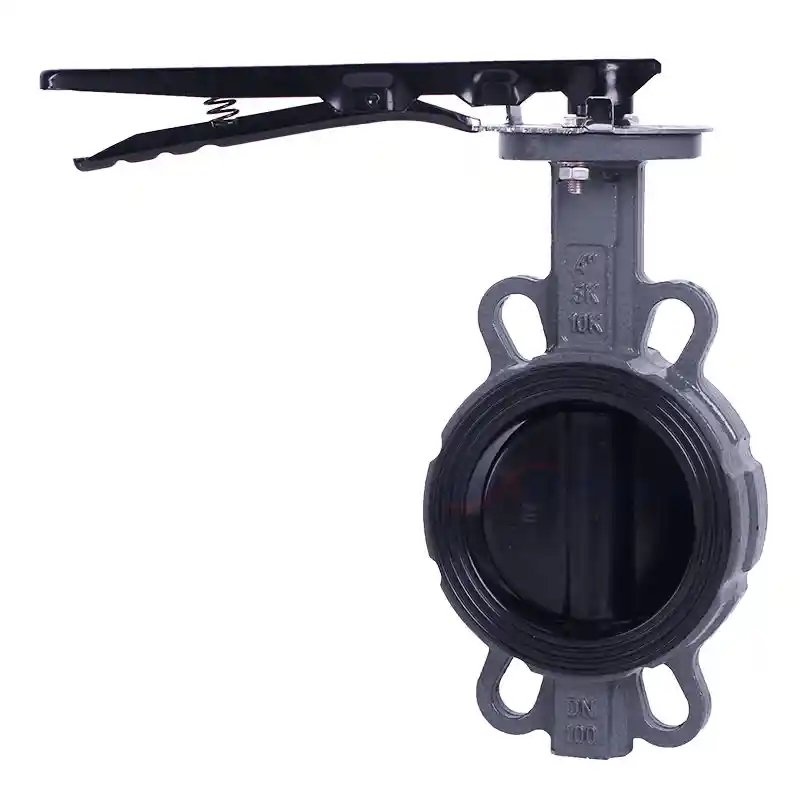
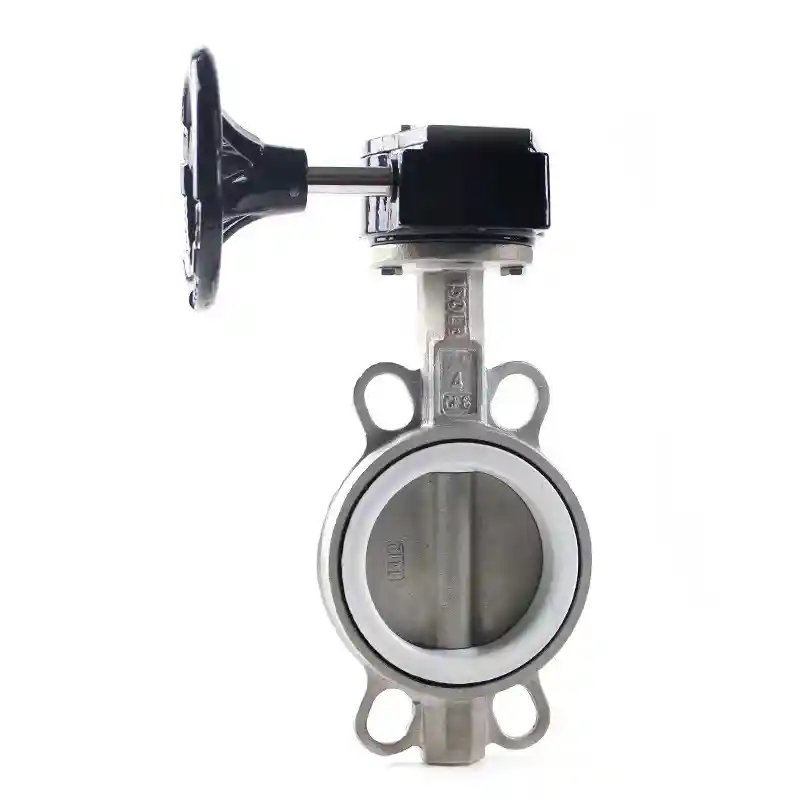
The wafer butterfly valve consists of rubber sealing butterfly element, carbon steel or stainless steel disc and stem. It is applicable for water supply, drainage and gas pipelines within temperature range of 80~120℃, widely used in food, pharmaceutical, chemical, petroleum, power, textile and paper industries for flow regulation and medium shut-off.
Applicable Media
Wafer butterfly valves are suitable for fresh water, sewage, seawater, air, steam, food, pharmaceutical products, various oils, acids, alkalis and salts.
Sealing Materials for Wafer Butterfly Valve
| Natural Rubber (NR) | -20~+85℃ |
| EPDM | -40~+125℃ |
| NBR | -20~+82℃ |
| Silicone Rubber (SI) | -70~+150℃ |
| FPM (Fluororubber) | -23~+150℃ |
| Chloroprene Rubber (CR) | 0~+80℃ |
| Butyl Rubber (IIR) | -40~+100℃ |
| PTFE | +10~+150℃ |
Technical Parameters
| Item | Unit | Specifications | ||
|---|---|---|---|---|
| Nominal Diameter | DN (mm) | 50~800 | ||
| Nominal Pressure | PN (MPa) | 0.6 | 1.0 | 1.6 |
| Test Pressure | Strength Test | 0.9 | 1.5 | 2.4 |
| Sealing Test | 0.66 | 1.1 | 1.76 | |
| Air Tightness Test | 0.6 | 0.6 | 0.6 | |
| Applicable Media | Air, water, sewage, steam, coal gas, oil products, etc. | |||
| Actuation Type | Manual, worm gear drive, pneumatic, electric | |||
Main Parts & Materials
| Part Name | Material |
|---|---|
| Valve Body | Ductile iron, cast steel, alloy steel, stainless steel |
| Disc | Cast steel, stainless steel and special materials |
| Seal Ring | Various rubber, PTFE |
| Valve Stem | 2Cr13, stainless steel |
| Packing | O-ring, flexible graphite O-ring |
Temperature Range of Sealing Materials
| Material | Abbreviation | Model Code | Max Temp | Min Temp | Working Temp Range |
|---|---|---|---|---|---|
| Chloroprene Rubber | CR | X or J | 82℃ | -40℃ | 0~+80℃ |
| Nitrile Rubber | NBR | XA or JA | 93℃ | -40℃ | -20~+82℃ |
| EPDM | EPDM | XB or JB | 150℃ | -40℃ | -40~+125℃ |
| PTFE | PTFE | F or XC、JC | 232℃ | -268℃ | -30~+150℃ |
| Silicone Rubber | SI | XD or JD | 250℃ | -70℃ | -70~+150℃ |
| Fluororubber | VITON | XE or JE | 204℃ | -23℃ | -23~+150℃ |
| Natural Rubber | NR | X1 | 85℃ | -20℃ | -20~+85℃ |
| Nylon | PA | N | 93℃ | -73℃ | -30~+93℃ |
Types, Applications and Advantages of Wafer Butterfly Valves
Types of Wafer Butterfly Valves
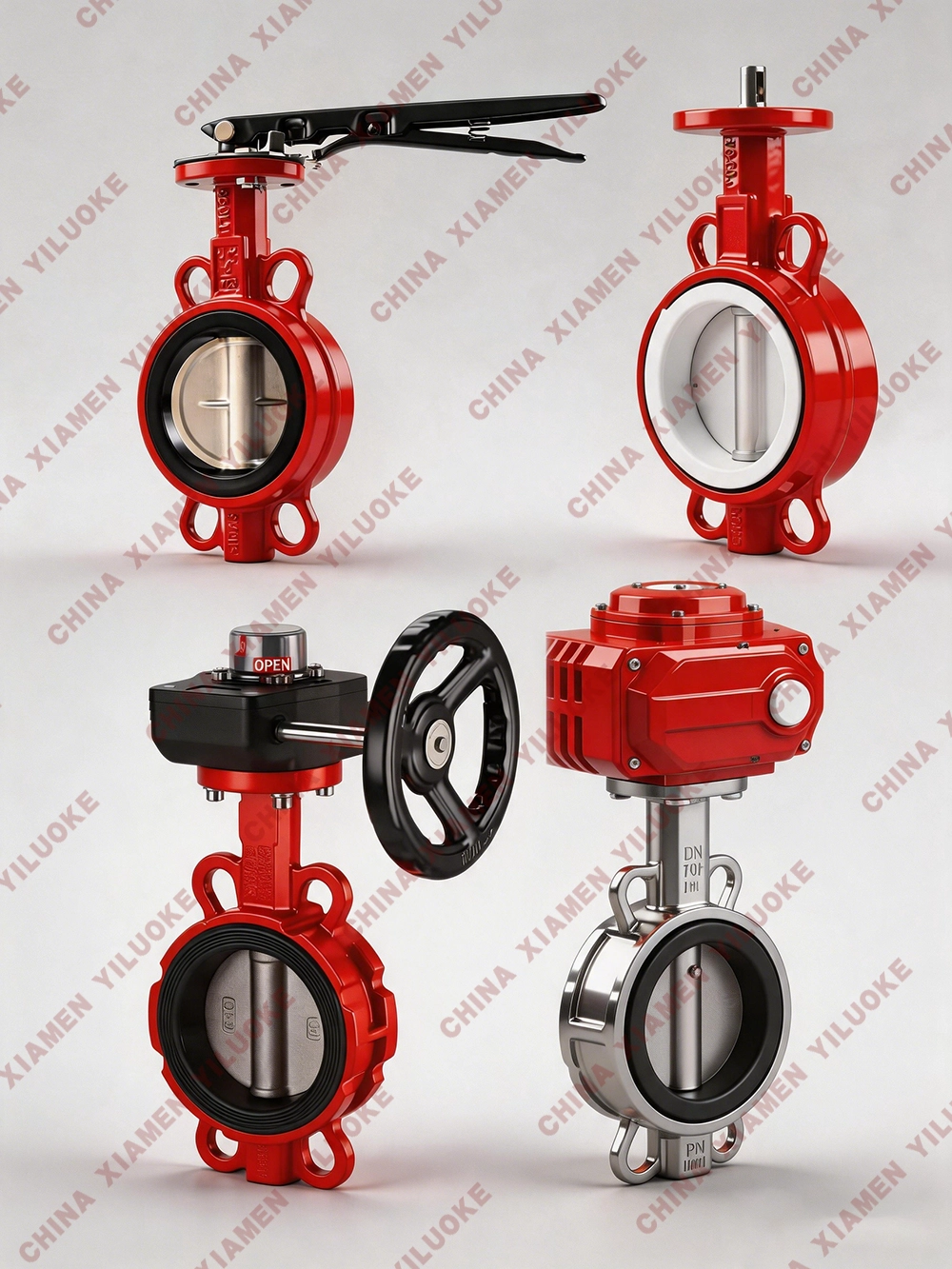
1. Manual Wafer Butterfly Valve
The manual actuator is handwheel or lever. Operators turn the handle to open or close the valve. Compared with automated wafer butterfly valves, manual versions are more cost-effective. They are suitable for locations without power supply or where automation is costly. However, manual operation brings safety risks when handling hazardous fluids prone to leakage. Operators may suffer fatigue if frequent valve operation requires high torque.
2. Electric Wafer Butterfly Valve
Electric wafer butterfly valve is operated by an electric actuator. Manufacturers equip actuators with automatic control systems to manage disc opening and closing. It can be used in all industries, though the valve and maintenance cost are higher than manual types.
3. Pneumatic Wafer Butterfly Valve
Pneumatic wafer butterfly valve is driven by pneumatic actuator. The actuator converts compressed air energy into mechanical force for valve operation. Compressed air enters the actuator chamber to build pressure and drive opening or closing. It is widely adopted in various industrial applications.
Applications of Wafer Butterfly Valves
Fire protection systems
Chemical manufacturing
Municipal wastewater treatment and water purification
HVAC systems
Food and beverage processing
Refineries
Mining industry
Pharmaceutical industry
Advantages of Wafer Butterfly Valves
Available in manual or automated versions
More economical compared with other butterfly valves
Quarter-turn operation enables fast opening and closing
Simple and compact design
Small dimension and lightweight
Occupies minimal installation space
Easy to clean, install and maintain
Versatile design suitable for multiple industries
Supports bidirectional or unidirectional fluid flow
Good resistance to corrosion and abrasion
Suitable for slurry and sludge service
How to Install Wafer Butterfly Valve
Conventional flanged butterfly valves have flanges on both sides of the valve body. Two pipe flanges are connected to the valve flanges and fastened with bolts. A wafer butterfly valve has no built-in flanges. It is clamped between two pipe flanges and secured by long bolts passing through both pipe flanges. This wafer connection method is widely adopted for standard pipelines.
Leave Your Message
Products categories
-
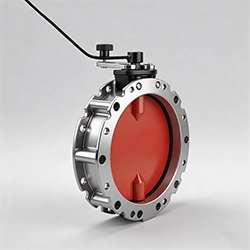
Powder Butterfly Valve
-
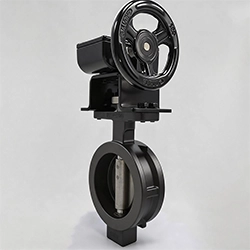
Double Eccentric High‑Performance Butterfly Valve
-
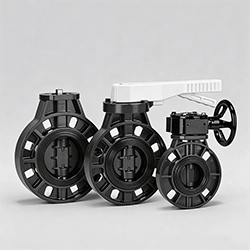
UPVC Plastic Butterfly Valve
-
Aluminum Alloy Anti‑Condensation Butterfly Valve
-
Stainless Steel Metal Hard Seal Butterfly Valves
-
Rubber Lined Butterfly Valves
-
Stainless Steel Flanged Butterfly Valves
-
PTFE-Lined Butterfly Valves
-
Wafer Type Butterfly Valves