


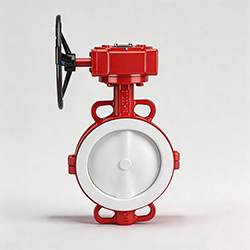
PTFE-Lined Butterfly Valves
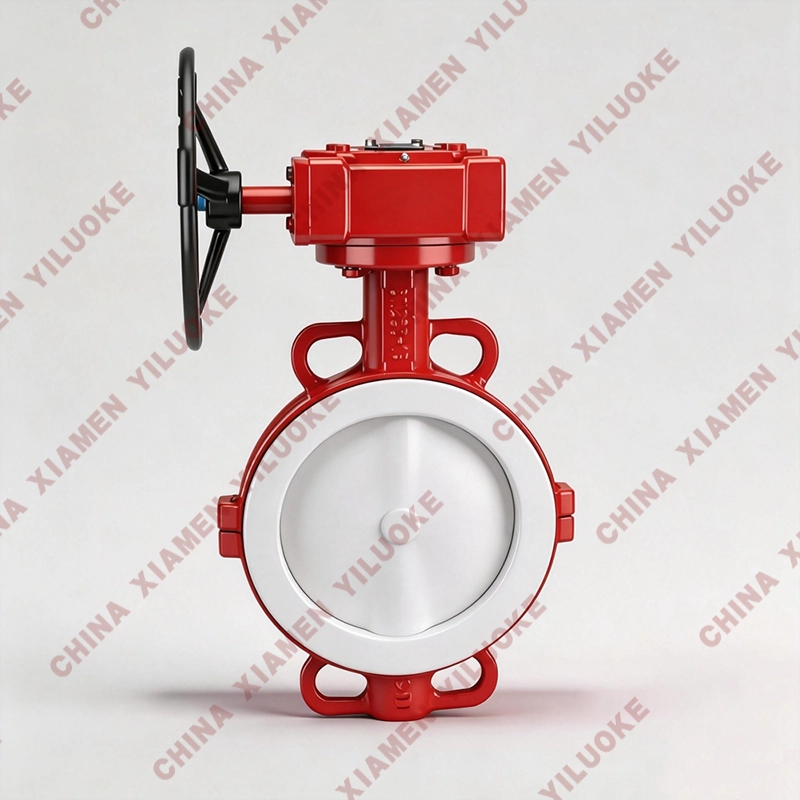
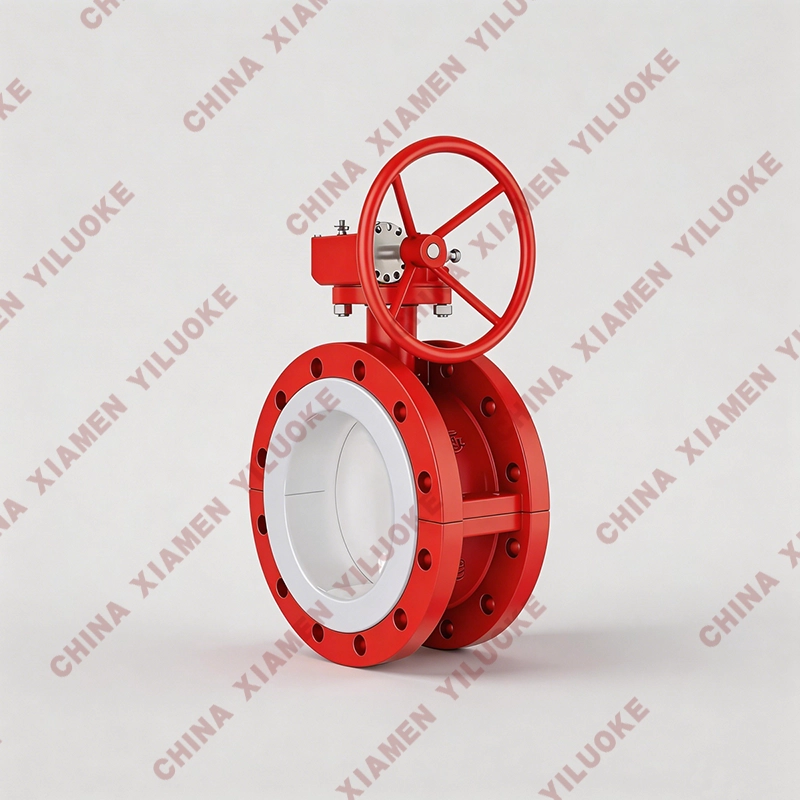
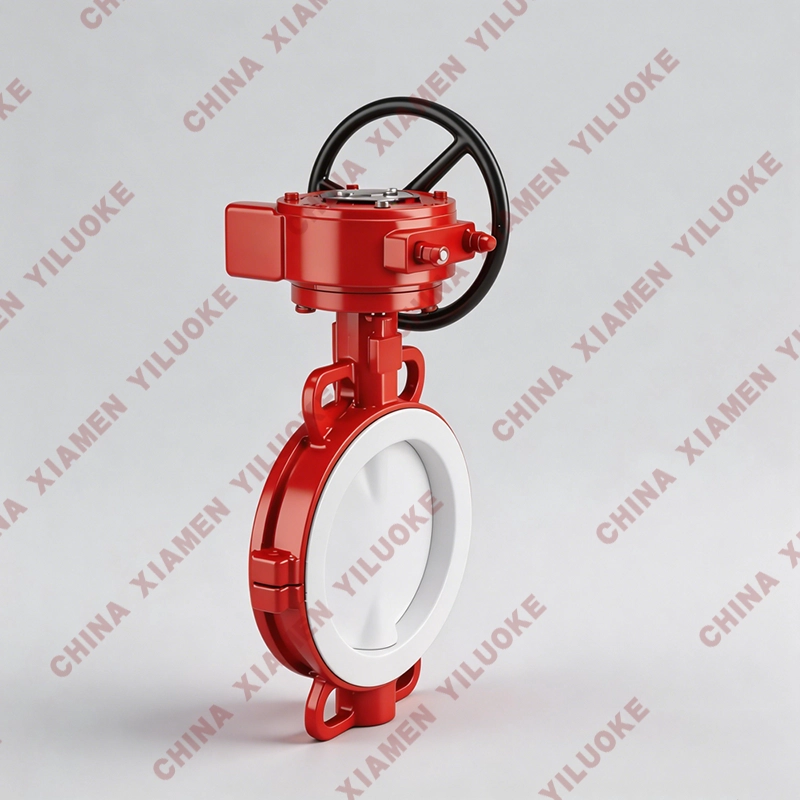
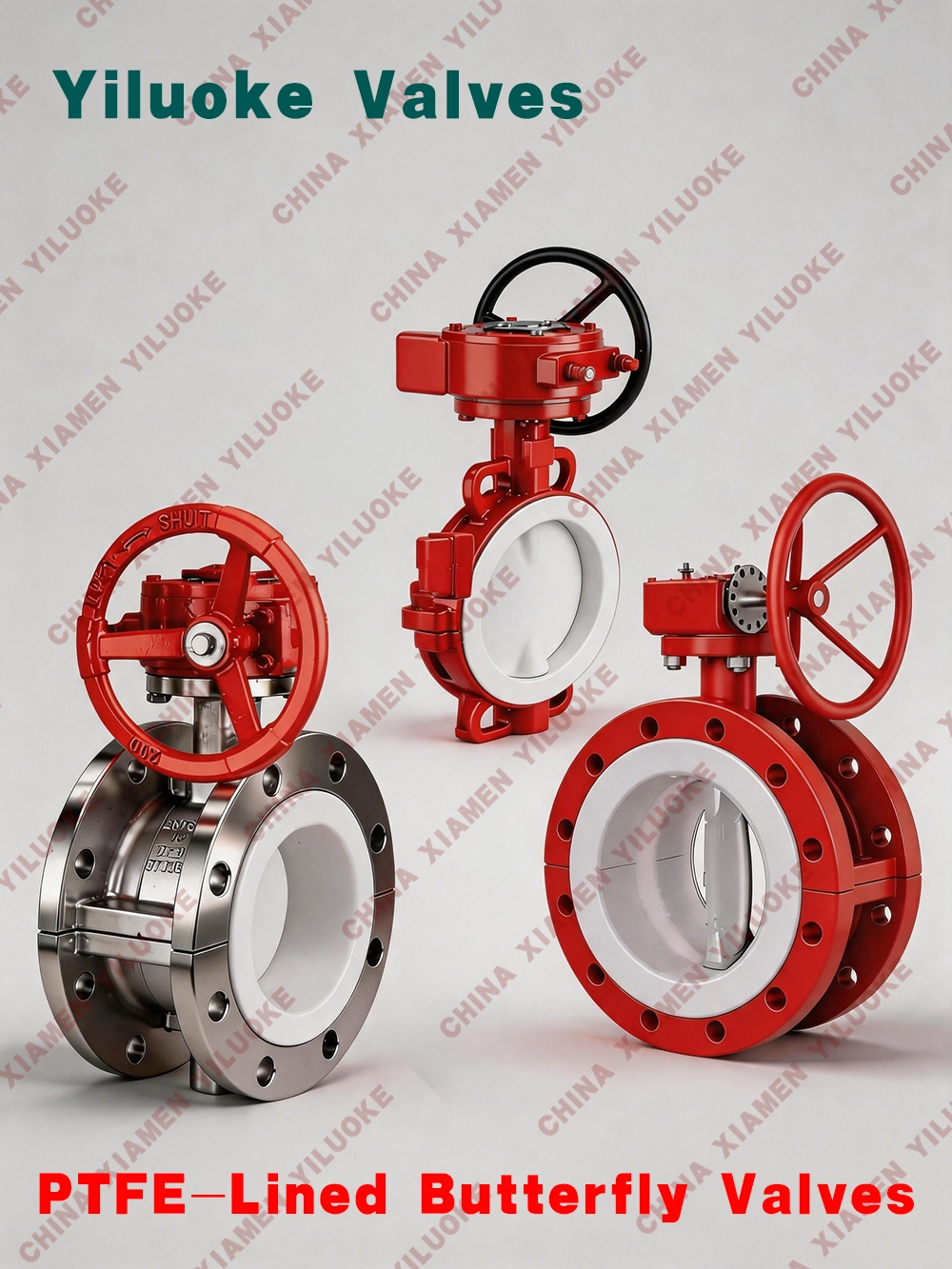
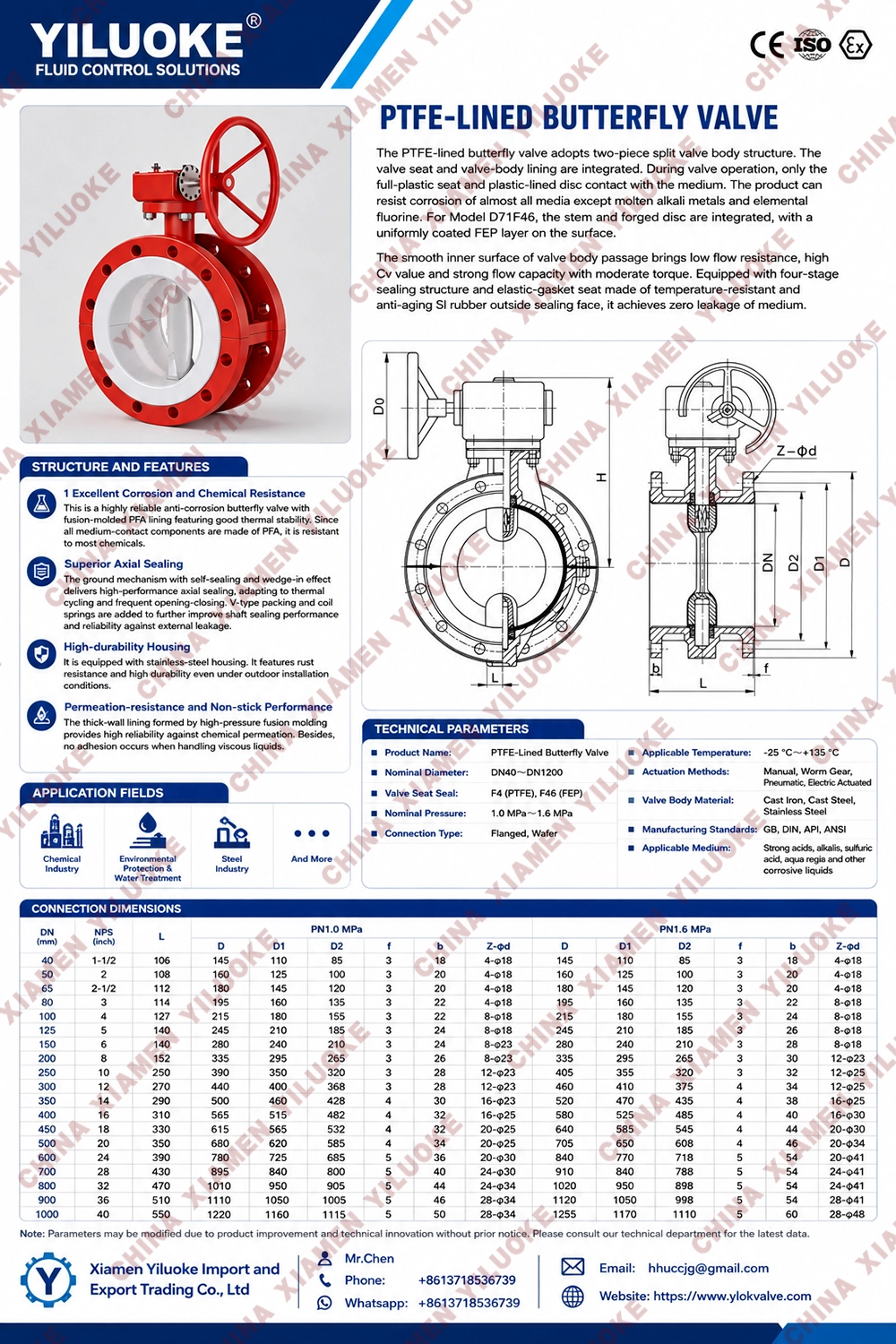
The PTFE‑lined butterfly valve is designed for corrosive environments with strong acids and strong alkalis, meeting application requirements in petroleum, chemical, food and other special industries. Fluoroplastics such as F46 and PTFE are lined on the inner surface of valve body and butterfly plate of conventional butterfly valves, isolating the process medium from the valve body to achieve anti‑corrosion performance.
Structural Features
1. Split‑type valve body with full‑shaft and half‑shaft pin‑free connection.
2. The valve seat adopts one‑step compression molding technology. Back‑lined high‑elastic rubber is tightly bonded with PTFE to reduce seat deformation and realize zero leakage under rated pressure. Meanwhile, the F4 seat adopts popular wide flanged structure for convenient flange sealing.
3. The butterfly plate is externally lined with 3‑5mm thick PTFE. Spherical cross‑section sealing fit is adopted between seat and butterfly plate. Smooth opening transition reduces friction and torque to achieve more reliable sealing performance.
4. Axial positioning structure guarantees zero‑leakage performance for long‑term operation.
5. All medium‑contact components adopt F4 material to realize complete isolation from medium and extend service life.
6. This valve can resist almost all chemical media.
7. Before delivery, molded butterfly plates pass 20kV DC high‑voltage electric shock test to verify anti‑corrosion performance. Complete valve sealing and strength tests are also performed.
8. Various installation forms and driving modes can be conveniently selected according to customer requirements.
9. Nominal pressure: PN0.6 / 1.0 / 1.6MPa
10. Working temperature: -20℃ ~ +180℃
Product Models
| Manual | D41F4/P(Semi‑lined) | D41F46/P(Semi‑lined) | D41F4(Full‑lined) | D41F46(Full‑lined) |
| Worm Gear | D341F4/P(Semi‑lined) | D341F46/P(Semi‑lined) | D341F4(Full‑lined) | D341F46(Full‑lined) |
| Pneumatic | D641F4/P(Semi‑lined) | D641F46/P(Semi‑lined) | D641F4(Full‑lined) | D641F46(Full‑lined) |
| Electric | D941F4/P(Semi‑lined) | D941F46/P(Semi‑lined) | D941F4(Full‑lined) | D941F46(Full‑lined) |
Parts Material
| No. | Part Name | Grey Cast Iron(Z) | Cast Steel(C) | Stainless Acid‑resistant Cast Steel(P,R) | Ultra‑low Carbon Stainless Acid‑resistant Cast Steel(PL,RL) |
| 1 | Valve Body / Bonnet | HT250 | WCB | CF8, CF8M | CF3, CF3M |
| 2 | Butterfly Plate | WCB | CF8 | CF8M | CF3, CF3M |
| 3 | Valve Stem | 1Cr13 | 2Cr13 | 1Cr18Ni9Ti, 1Cr18Ni12Mo2Ti | 00Cr18Ni10, 000Cr17Ni14Mo2 |
| 4 | Lining / Seat | PTFE(F4), PCTEF(F3), FEP(F46), PFA(Soluble F4), PP, PO | |||
| 5 | Fastening Pin | 2Cr13 | 1Cr18Ni9Ti | 1Cr18Ni12Mo2Ti | 00Cr18Ni10, 000Cr17Ni14Mo2 |
| 6 | Packing | PTFE(F4) | |||
| 7 | Packing Gland | WCB | CF8 | CF8M | CF3, CF8 |
| 8 | Bracket | WCB | CF8 | CF8 | CF8 |
| 9 | Bolt | 35 | 1Cr17Ni2 | 1Cr18Ni2 | |
| 10 | Nut | 45 | 1Cr18Ni9 | 0Cr18Ni9 | |
Technical Parameters of PTFE‑Lined Flange Butterfly Valve
| Nominal Diameter DN(mm) | 50~1600 | ||
| Nominal Pressure PN(MPa) | 0.6 | 1.0 | 1.6 |
| Sealing Test(MPa) | 0.66 | 1.1 | 1.76 |
| Strength Test(MPa) | 0.9 | 1.5 | 2.4 |
| Applicable Temperature | Nitrile rubber:‑40℃~90℃; Fluororubber:‑20℃~200℃ | ||
| Applicable Medium | Water, air, natural gas, oil products and weakly corrosive fluids | ||
| Leakage Rate | Comply with GB/T13927‑92 standard | ||
| Driving Mode | Electric | ||
| Matching Actuator | Pneumatic actuator and electric actuator are optional | ||
| Control Mode | Switch position indicator (two‑position on‑off control), intelligent regulation (4‑20mA analog signal control) | ||
Performance Specification
| Nominal Diameter DN(mm) | 50~1600 | |||
| Nominal Pressure PN(MPa) | 0.6 | 1.0 | 1.6 | |
| Test Pressure | Strength Test(MPa) | 0.9 | 1.5 | 2.4 |
| Sealing Test(MPa) | 0.66 | 1.1 | 1.76 | |
| Air‑tightness Test(MPa) | 0.6 | 0.6 | 0.6 | |
| Applicable Temperature | ≤150℃ | |||
| Applicable Medium | Corrosive media | |||
Application Fields
As pipeline on‑off and flow control components, PTFE‑lined butterfly valves and rubber‑lined butterfly valves are widely used in petroleum, chemical, metallurgy, hydropower and other industries. Sealing materials include rubber, PTFE and so on. Restricted by structural characteristics, they are not suitable for working conditions requiring high temperature resistance, high pressure resistance, corrosion resistance and wear resistance.
Leave Your Message
Products categories
-
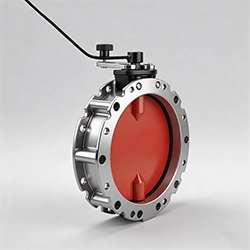
Powder Butterfly Valve
-
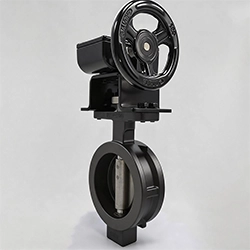
Double Eccentric High‑Performance Butterfly Valve
-
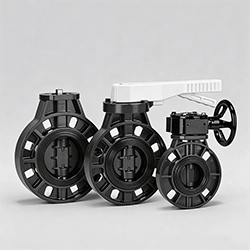
UPVC Plastic Butterfly Valve
-
Aluminum Alloy Anti‑Condensation Butterfly Valve
-
Stainless Steel Metal Hard Seal Butterfly Valves
-
Rubber Lined Butterfly Valves
-
Stainless Steel Flanged Butterfly Valves
-
PTFE-Lined Butterfly Valves
-
Wafer Type Butterfly Valves