


Tri-Eccentric Double-Side Pressure Metal Hard Seal Butterfly Valves
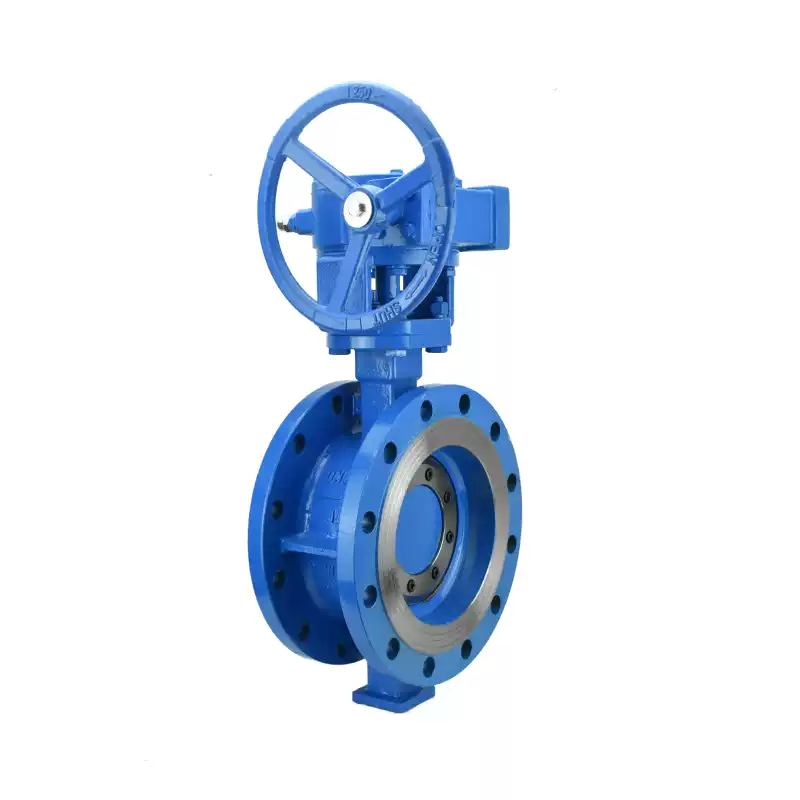
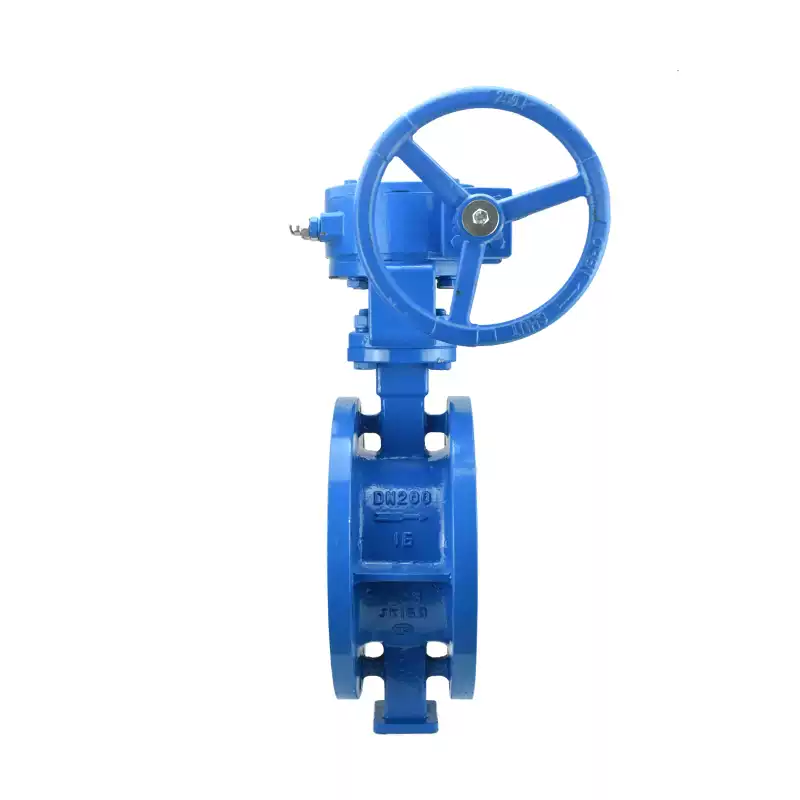
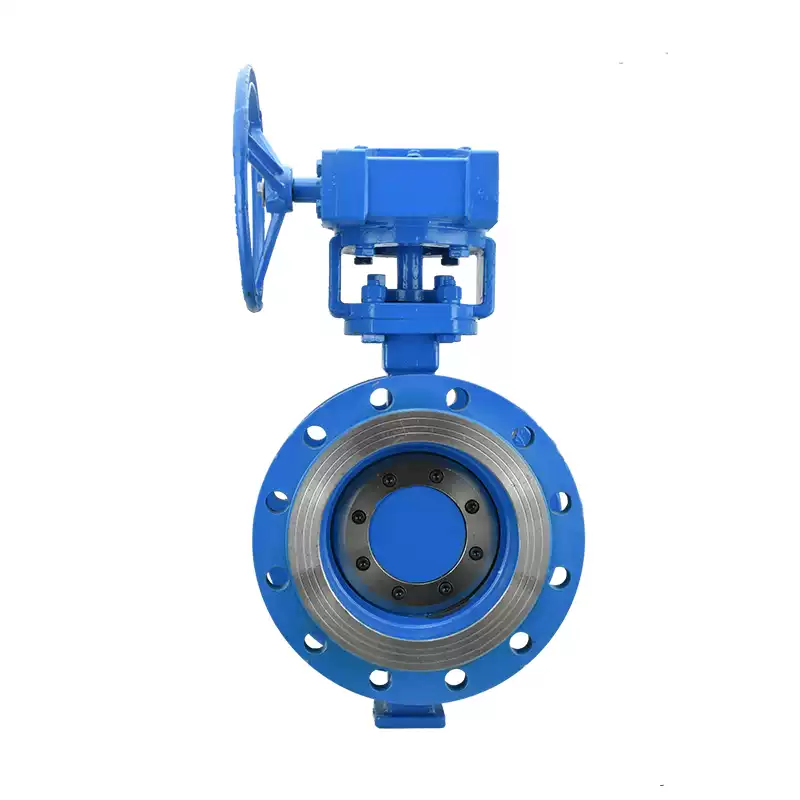
Tri-Eccentric Double-Side Pressure Metal Hard Seal Butterfly Valves: Introduction, Technical Parameters & Working Principle
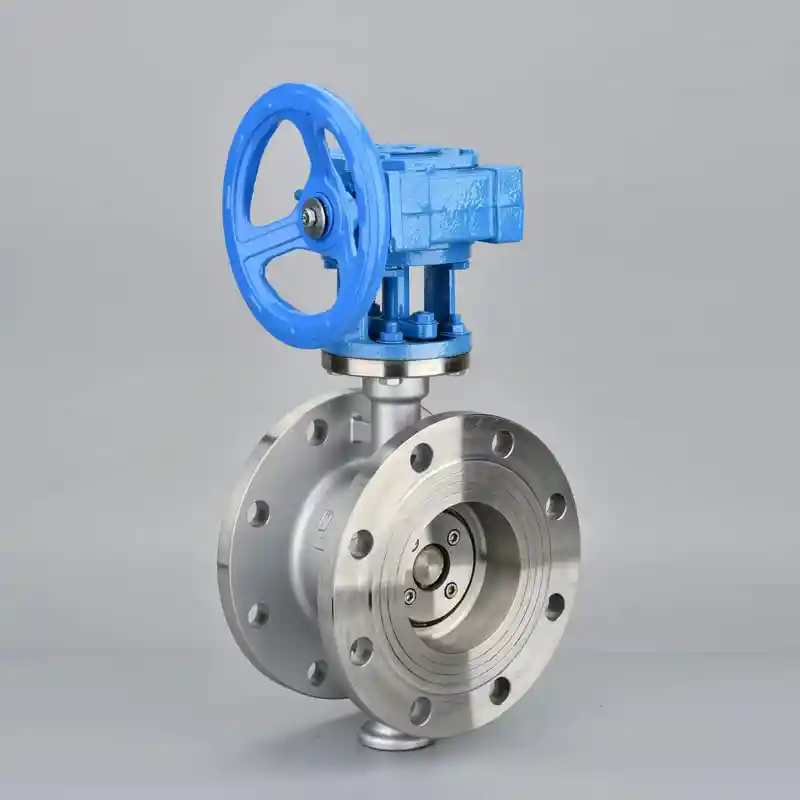
Tri-Eccentric Double-Side Pressure Metal Hard Seal Butterfly Valves, also known as multi-layer tri-eccentric butterfly valves, double-side pressure butterfly valves, and metal-to-metal hard seal butterfly valves, adopt metal hard sealing. They are available in high-temperature type, high-pressure type, and high-performance type. For connection, flanged type, wafer type, and welded type can be selected.
Technical Parameters
Product Name: Tri-Eccentric Double-Side Pressure Butterfly Valve
Nominal Diameter: DN50~DN1000
Valve Seat Seal: Alloy, Stellite, Stainless Steel
Nominal Pressure: 1.0Mpa~10Mpa
Connection Type: Flanged, Wafer
Applicable Temperature: -20ºC~600ºC
Actuation Methods: Manual, Worm Gear, Pneumatic, Electric Actuated
Valve Body Material: Cast Steel, Stainless Steel
Manufacturing Standards: National Standard (GB), German Standard (DIN), American Standard (API, ANSI)
Applicable Medium: Water, Oil, Steam, Gas, Powder, Liquid
Working Principle
In addition to the two eccentricities of the valve stem and the valve disc, the sealing surface of the valve disc and the valve seat of the Tri-Eccentric Butterfly Valve is in the shape of an inclined frustum of a cone (this is the third eccentricity of the so-called tri-eccentricity). When the valve is closed, the valve disc is pushed forward due to the eccentricity. No friction is generated between the valve disc and the valve seat during the closing process, and the valve disc is directly pressed on the valve seat, thus extending the service life of the valve. In addition, since the sealing ring of this valve (whether installed on the valve seat or the valve disc) has a certain elasticity, and there is a small gap between the boss inside the elastic ring and the elastic ring, which allows the elastic ring to have a slight displacement. When the valve is closed, under the action of the closing force, the elastic sealing ring can automatically move to the position with the most uniform force. Coupled with the slight deformation of the elastic ring, the sealing ring at the valve seat is uniformly stressed to achieve a sealed state. It is widely used in industrial pipelines such as metallurgy, electric power, petrochemical, water supply and drainage, and municipal construction where the medium temperature is ≤425℃, for regulating flow and cutting off fluids.
Leave Your Message
Products categories
-
Powder Butterfly Valve
-
Double Eccentric High‑Performance Butterfly Valve
-
UPVC Plastic Butterfly Valve
-
Aluminum Alloy Anti‑Condensation Butterfly Valve
-
Stainless Steel Metal Hard Seal Butterfly Valves
-
Rubber Lined Butterfly Valves
-
Stainless Steel Flanged Butterfly Valves
-
PTFE-Lined Butterfly Valves
-
Wafer Type Butterfly Valves