


API/ASME/ASTM Lug Butterfly Valves
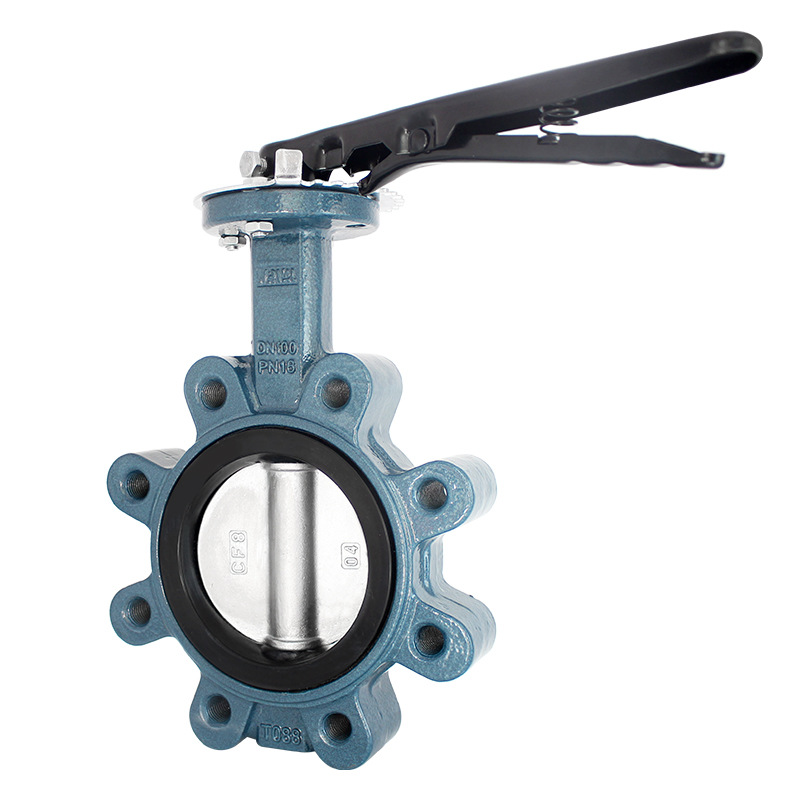
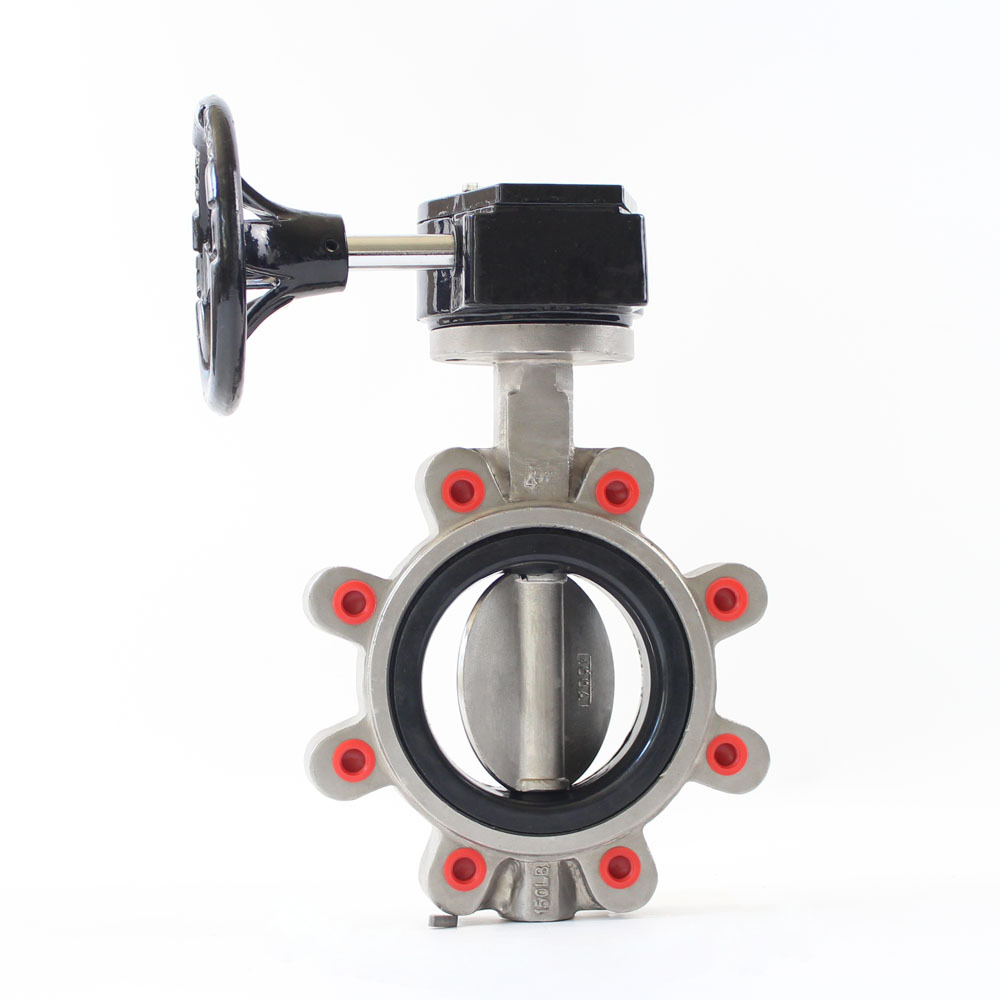
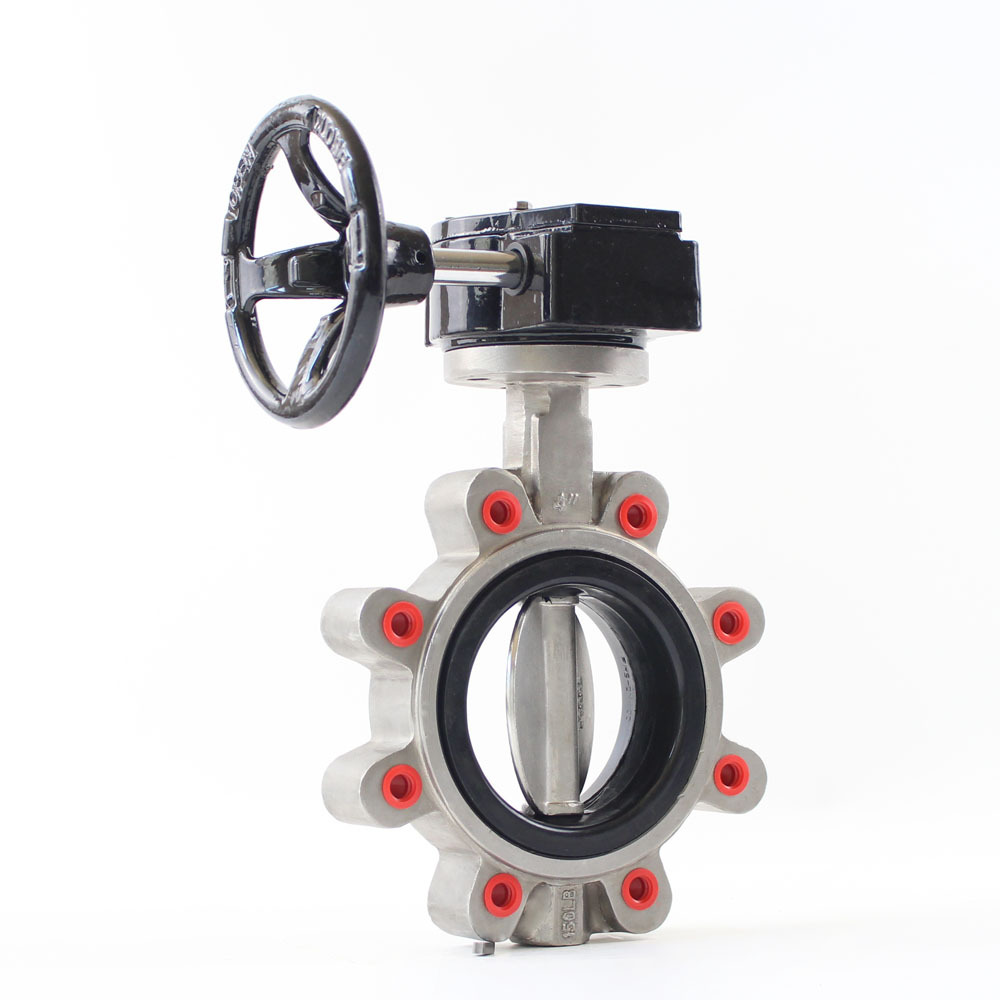
API/ASME/ASTM Lug Butterfly Valves: Structural Features, Executive Standards, Technical Parameters & Component Materials
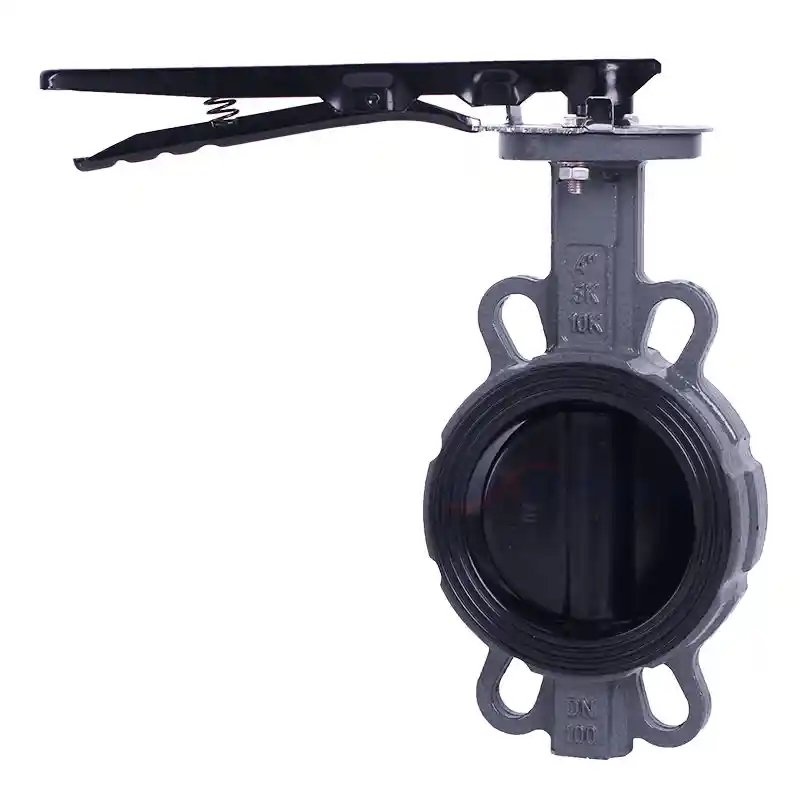
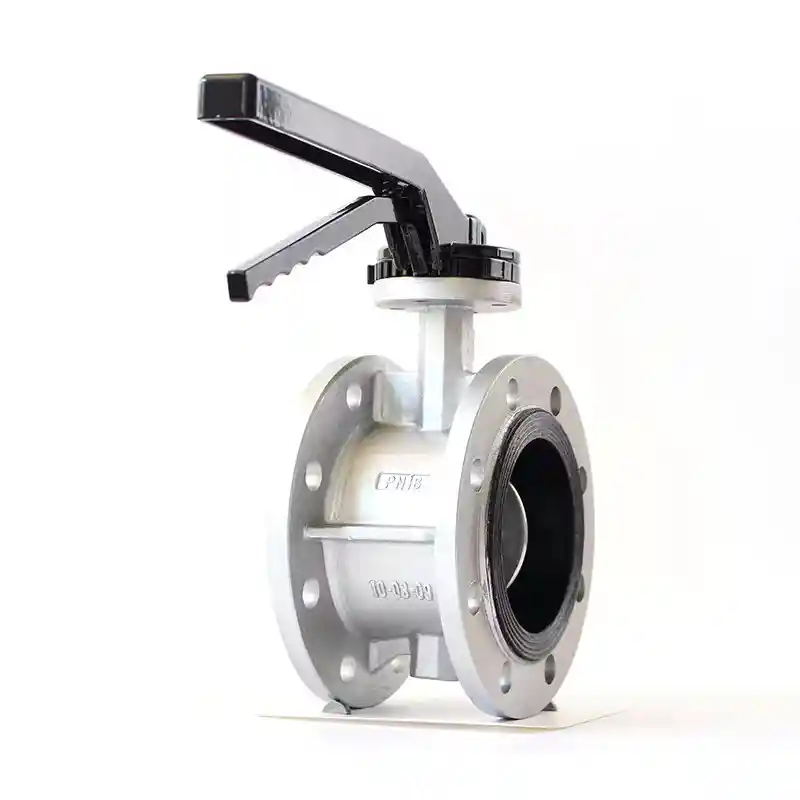
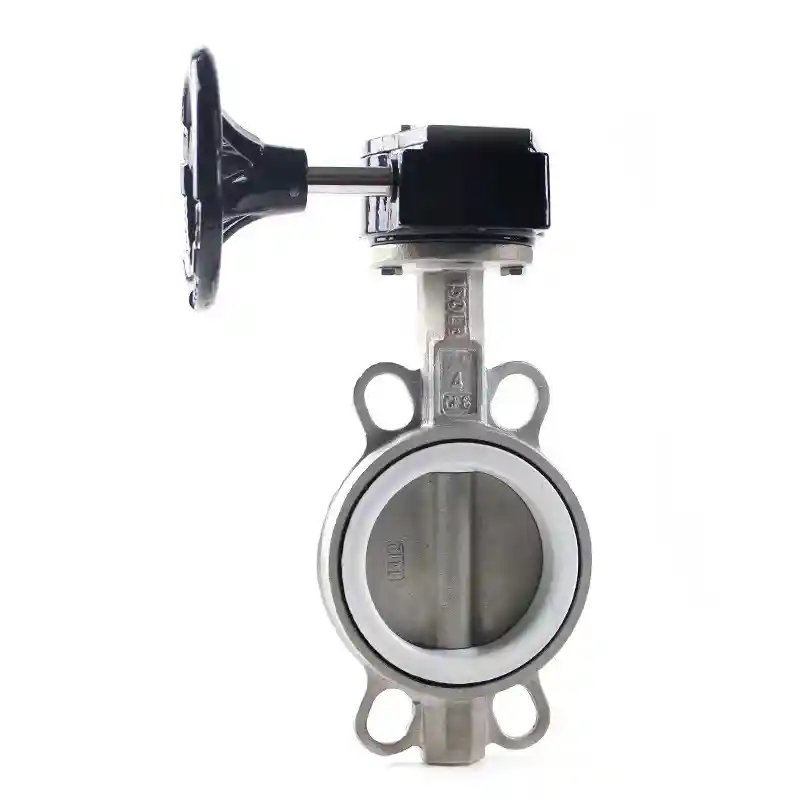
The main structural features of API/ASME/ASTM Lug Butterfly Valves are wafer type and flanged three-eccentric type structures. Their key structural feature is that the circumference of the valve body is designed with lugs to form a single flange structure with threaded holes. American Standard Lug Butterfly Valves are widely used in pipelines such as petroleum, chemical industry, industrial water treatment, high-rise buildings, and water supply and drainage. Features: Due to the adoption of a three-eccentric structure, the sealing performance is reliable, ensuring that the butterfly plate does not contact the sealing seat when opening, eliminating uneven load on the sealing seat, extending the service life, and ensuring reliable sealing performance. They also have advantages such as high temperature resistance, wear resistance, and corrosion resistance.
Executive Standards
Design and Manufacturing: API
Face-to-Face Dimensions: ANSI B16.10-2002
Flange Dimensions: ANSI 16.5-2004
Testing and Inspection: API 589-2004
Main Technical Parameters
Nominal Diameter DN (mm): 2″~36″ (DN50~DN900mm)
Nominal Pressure PN (lb): 150LB~1500LB
Applicable Medium: Water, steam, oil products, seawater, etc.
Applicable Temperature: -29℃~360℃
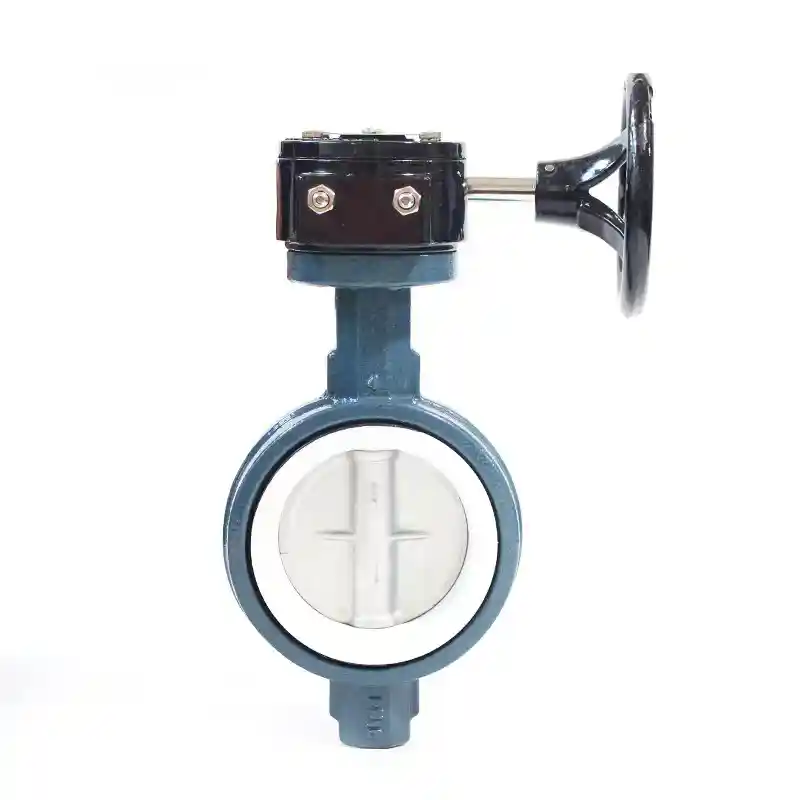
Actuation Methods: Lever, Worm Gear, Electric Actuated, Pneumatic. Electric and pneumatic devices adopt high-quality domestic and foreign products for more reliable performance (can be specified by users).
The valve stem can be lengthened according to user requirements.
Main Component Materials and Performance
Valve Body: WCB, 304, 316, 316SS, CF8M
Butterfly Disc: WCB, 304, 316, 316SS, CF8M
Valve Stem: 316, 2Cr13, 1Cr18Ni9Ti
Sealing Ring: 316, Fluoroplastic
Packing: Flexible Graphite, Fluoroplastic
Leave Your Message
Products categories
-
Stainless Steel Metal Hard Seal Butterfly Valves
-
Rubber-Lined Butterfly Valves
-
Stainless Steel Flanged Butterfly Valves
-
PTFE-Lined Butterfly Valves
-
Wafer Type Butterfly Valves
-
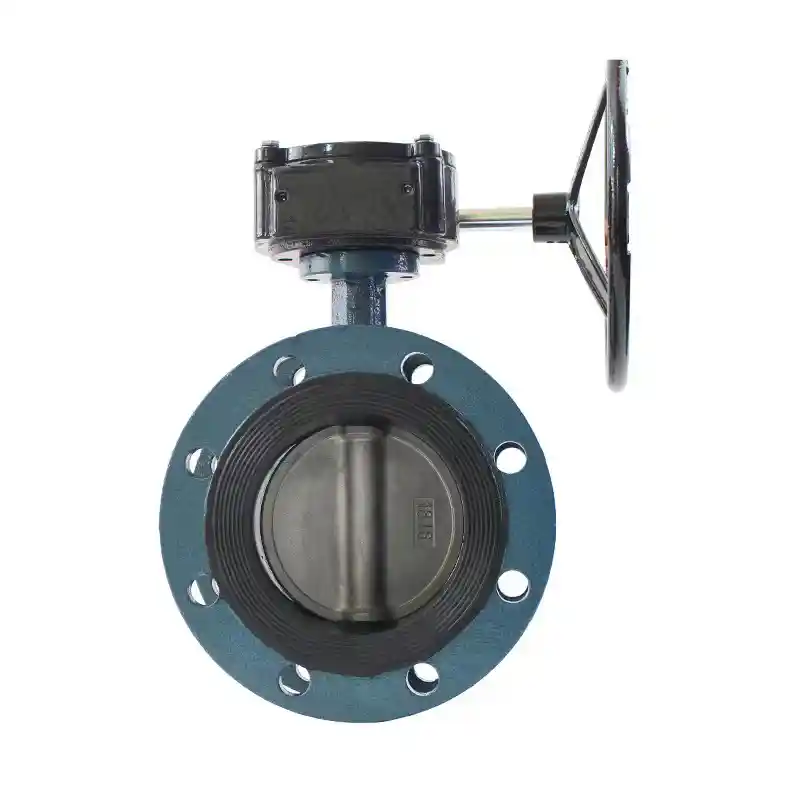
Flanged Butterfly Valves
-
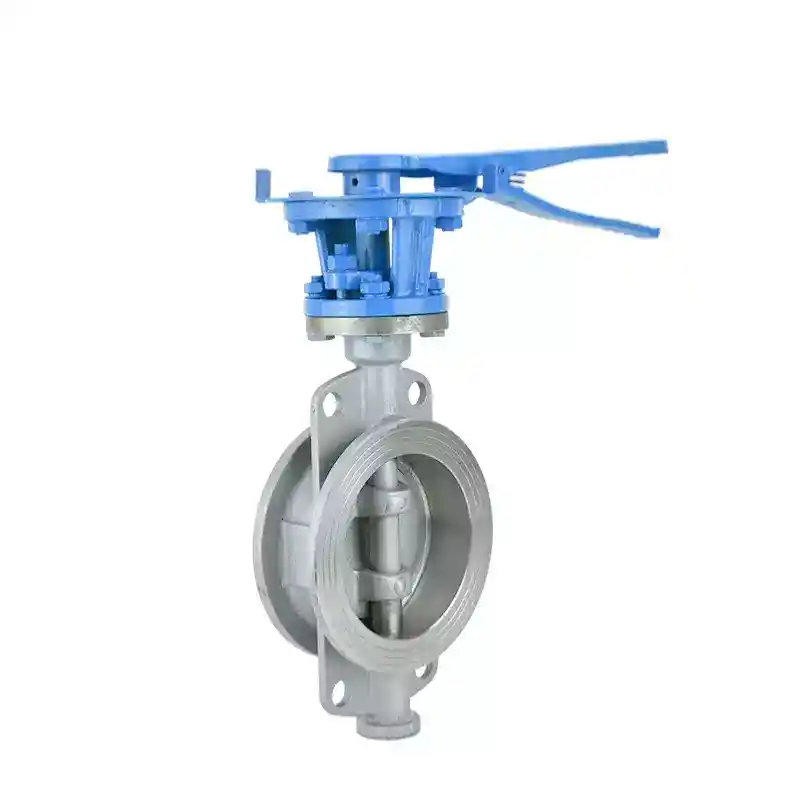
High-Temperature Butterfly Valves
-
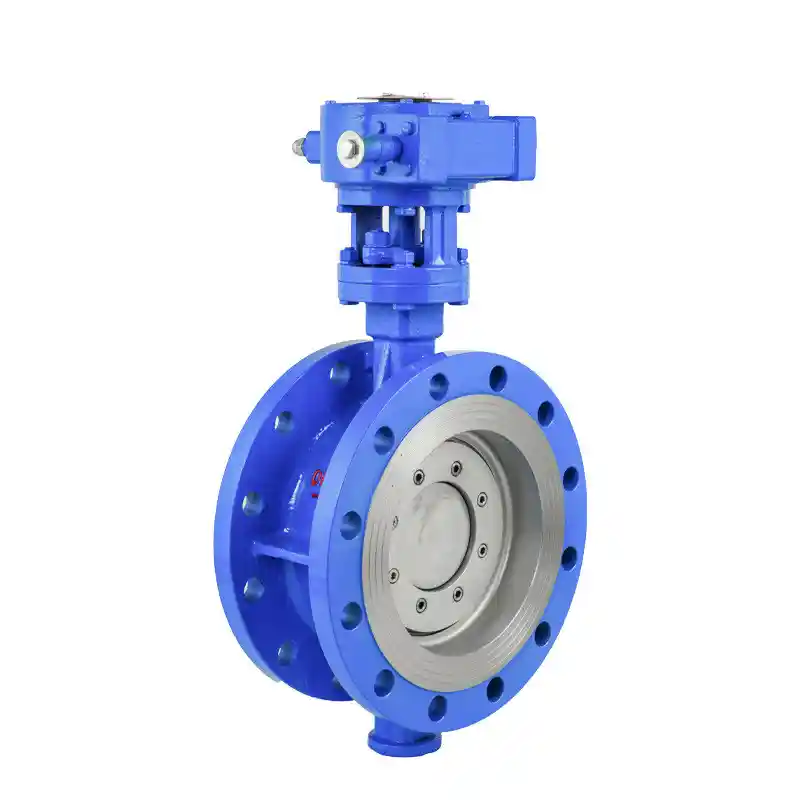
High-Pressure Butterfly Valves
-
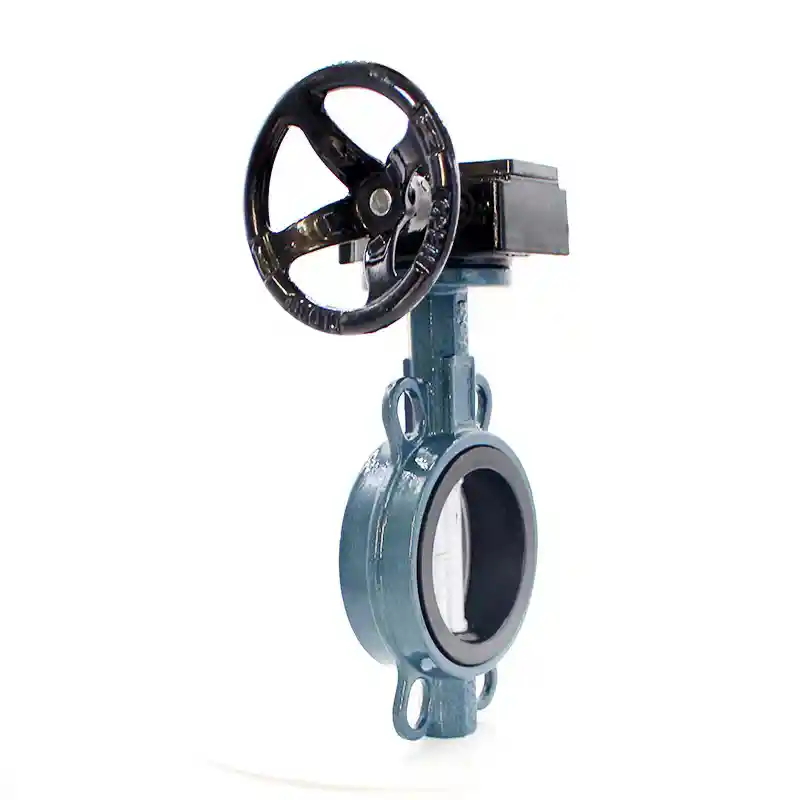
Ductile Iron Butterfly Valves