


Manual Butterfly Valves
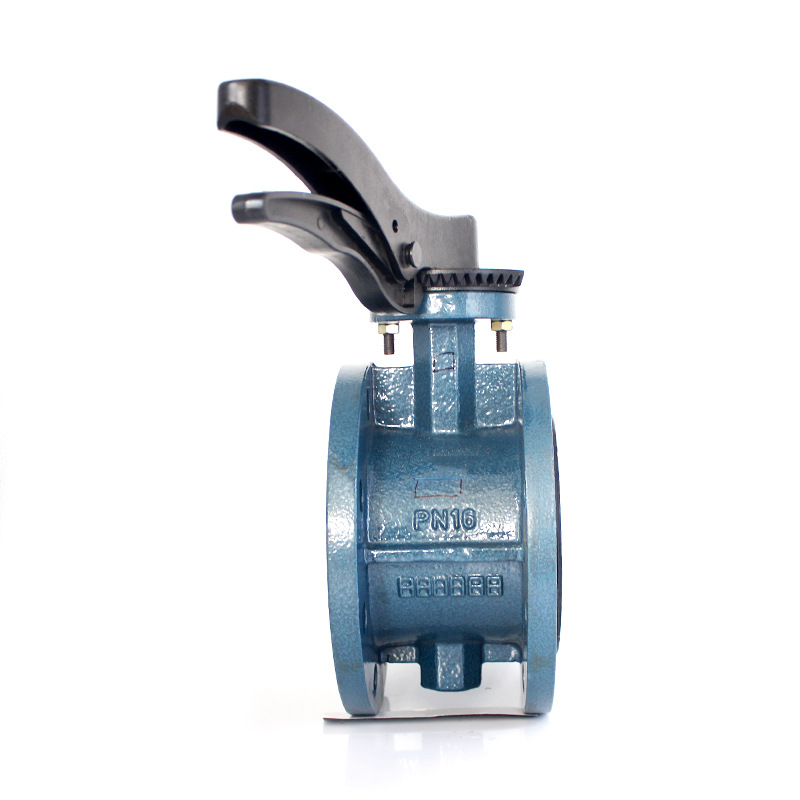
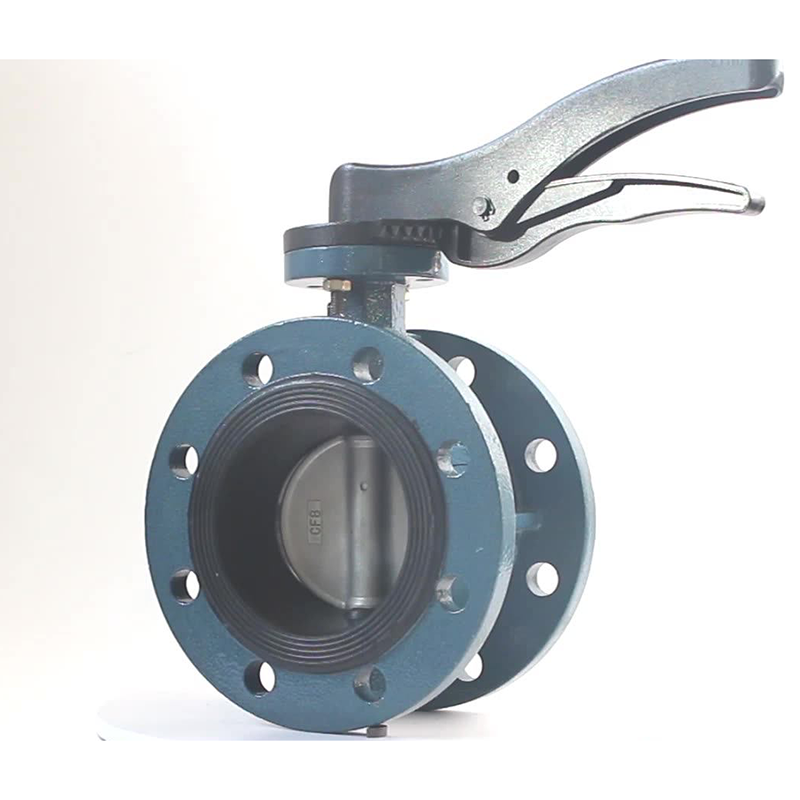
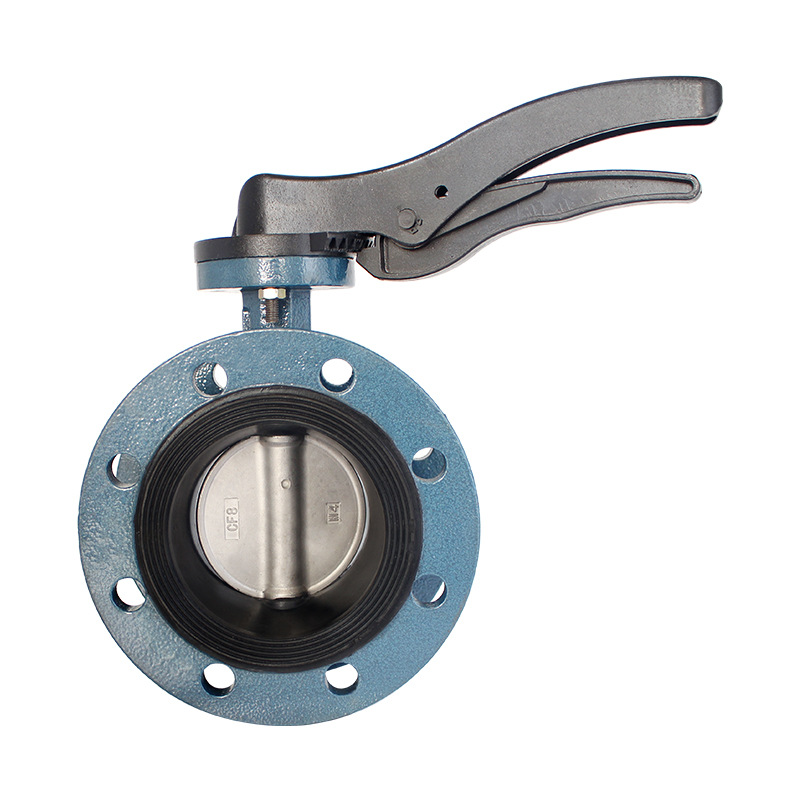
Manual Butterfly Valves: Working Principle, Technical Parameters, Functions & Applications
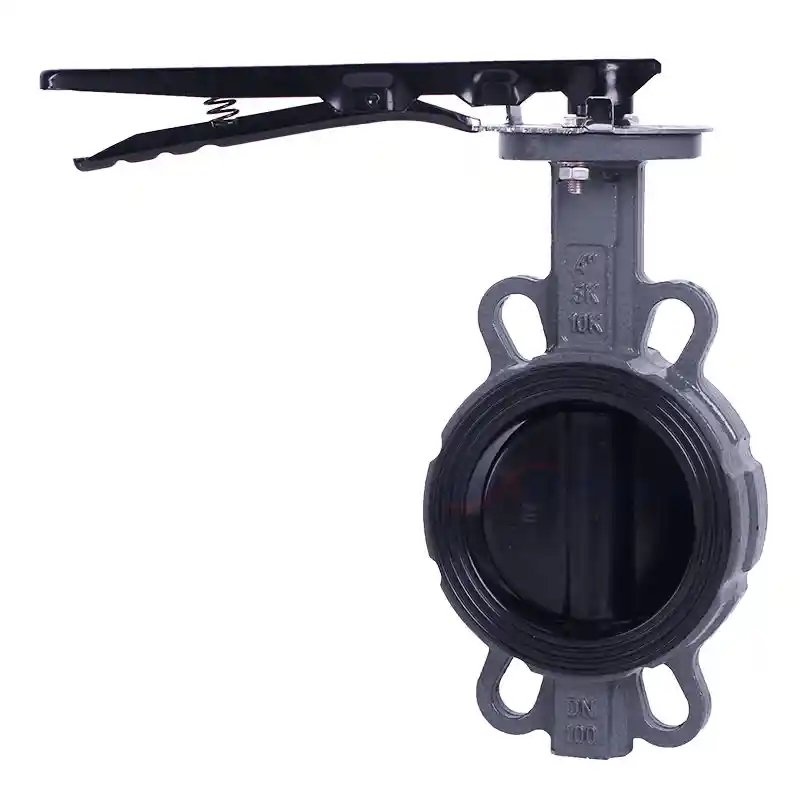
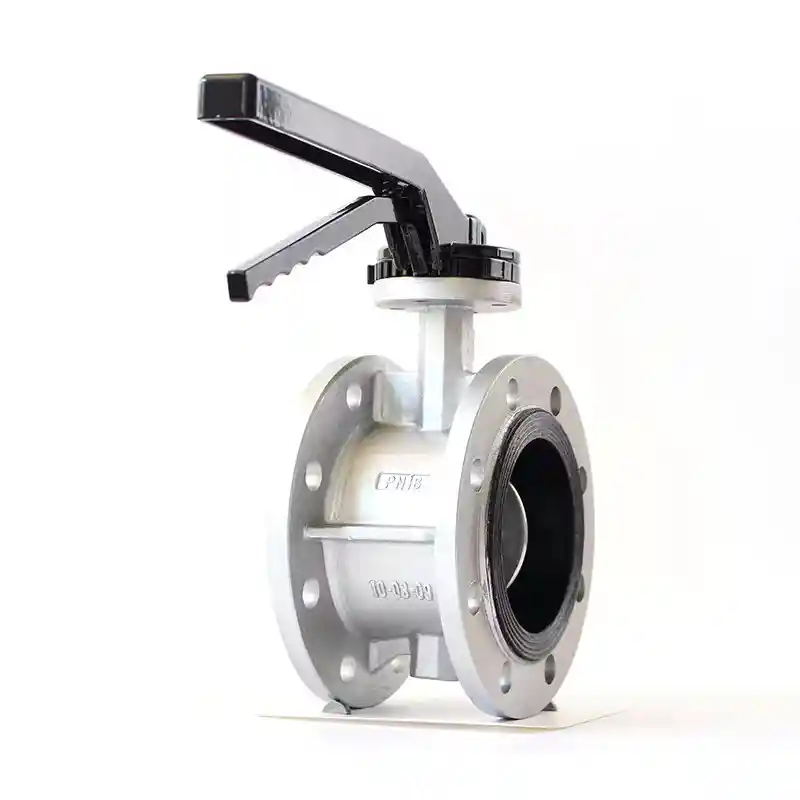
The working principle of Manual Butterfly Valves is relatively simple: they control the opening and closing of the valve through manual operation. Manual Butterfly Valves generally consist of a valve body, valve disc, valve stem, handle, etc. When the handle rotates, the valve stem rotates accordingly to control the opening and closing of the valve. When the handle is rotated clockwise, the valve opens; when rotated counterclockwise, the valve closes. The working principle of Manual Butterfly Valves is similar to that of other manual valves such as gate valves and ball valves, with differences only in structure and material. They are usually used in occasions with low pressure, low flow rate and no need for frequent opening and closing.
Technical Parameters
Nominal Diameter: DN50~DN1000
Valve Seat Seal: Nitrile Butadiene Rubber (NBR), Polytetrafluoroethylene (PTFE)
Nominal Pressure: 1.0Mpa~1.6Mpa
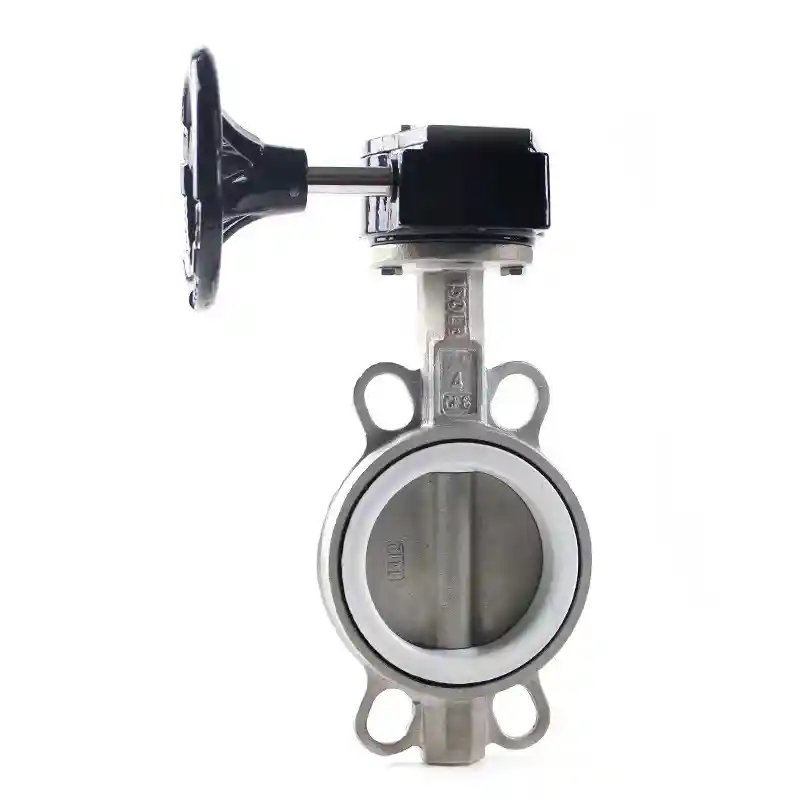
Connection Type: Flanged, Wafer
Applicable Temperature: -20ºC~+150ºC
Actuation Methods: Manual, Worm Gear, Pneumatic, Electric Actuated
Valve Body Material: Cast Iron, Ductile Iron, Cast Steel, Stainless Steel
Manufacturing Standards: National Standard (GB), German Standard (DIN), American Standard (API, ANSI)
Applicable Medium: Water, Oil, Gas, Powder, Liquid
Widely Used In: Petroleum, Chemical Industry, Electric Power, Environmental Protection, Water Conservancy, Heating, Water Supply and Drainage, Industry, Machinery
Functions of Manual Butterfly Valves
Imported Manual Butterfly Valves are mainly used to control, cut off or regulate the flow of medium in pipeline systems. They are usually applied in low-pressure, medium and low-temperature medium pipeline systems, such as non-corrosive media like water, oil and gas. Due to their characteristics of simple structure, easy operation, good sealing performance and strong durability, Manual Butterfly Valves are widely used in various industrial fields, such as chemical industry, electric power, metallurgy, papermaking, food, pharmaceutical and construction industries.
Leave Your Message
Products categories
-
Powder Butterfly Valve
-
Double Eccentric High‑Performance Butterfly Valve
-
UPVC Plastic Butterfly Valve
-
Aluminum Alloy Anti‑Condensation Butterfly Valve
-
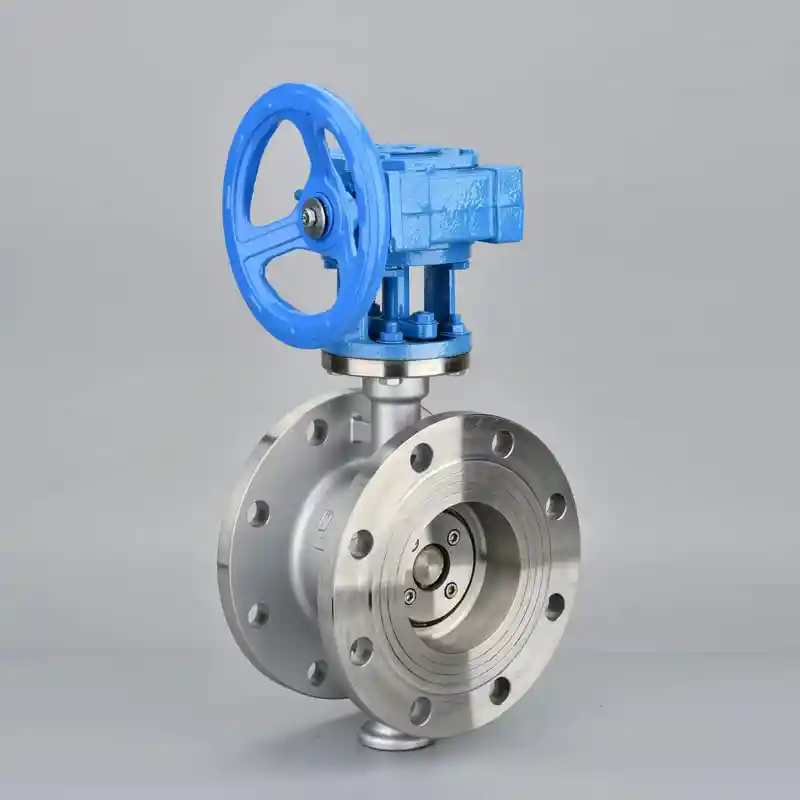
Stainless Steel Metal Hard Seal Butterfly Valves
-
Rubber Lined Butterfly Valves
-
Stainless Steel Flanged Butterfly Valves
-
PTFE-Lined Butterfly Valves
-
Wafer Type Butterfly Valves