


Rubber Lined Diaphragm Valve
Product Overview
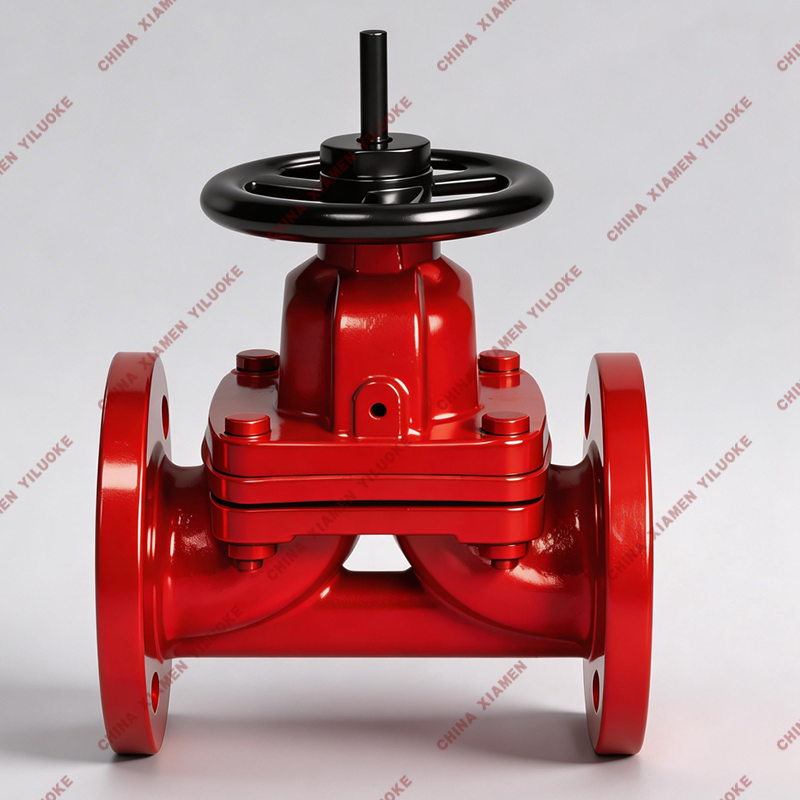
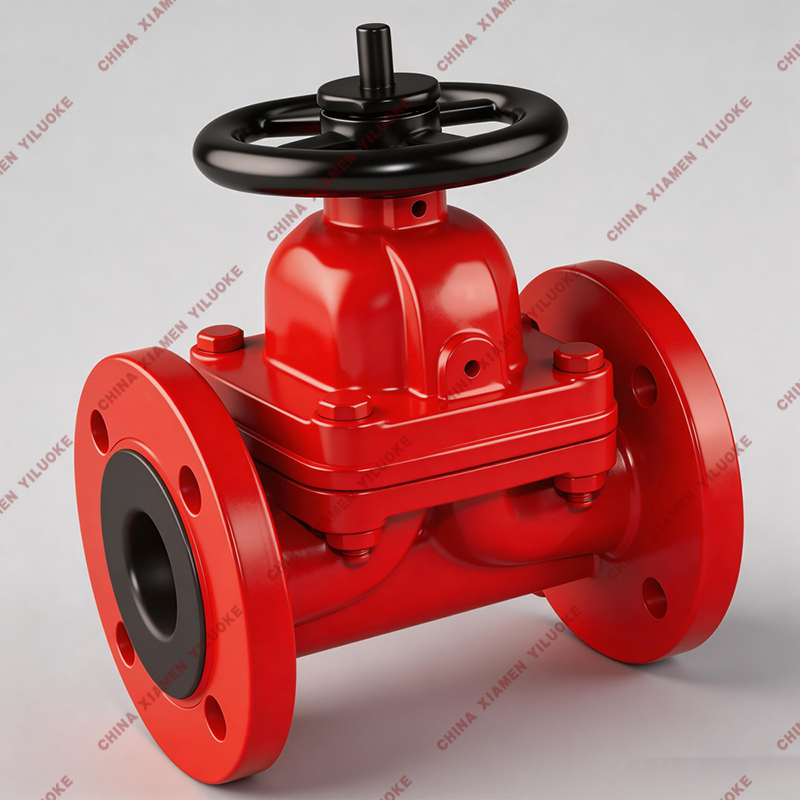
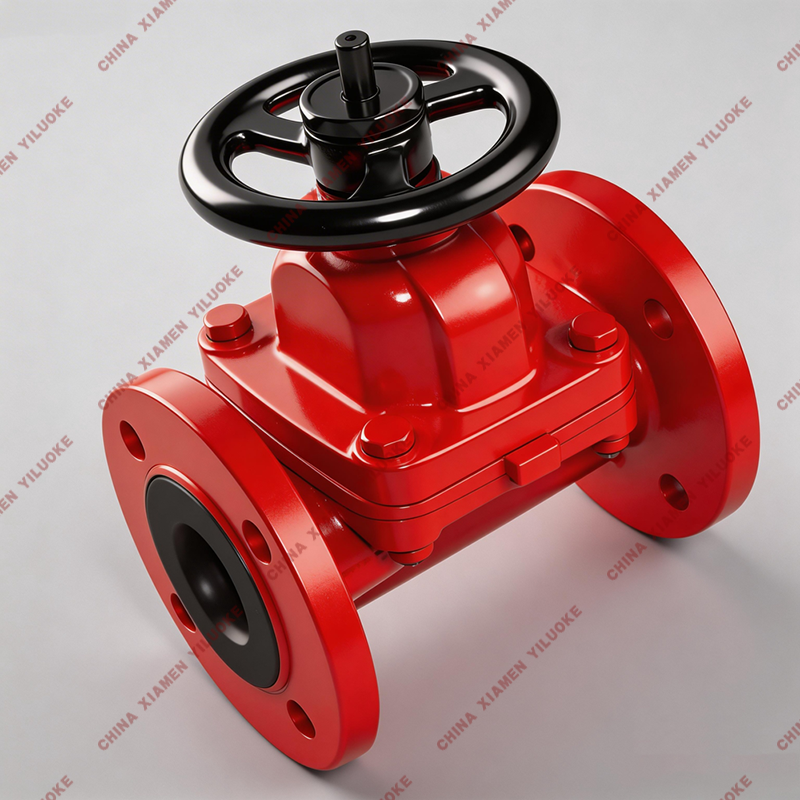
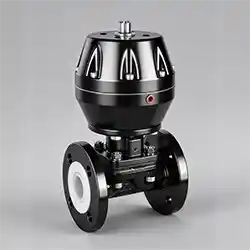
Rubber lined diaphragm valve is a common type of isolating valve. It is composed of a corrosion-resistant diaphragm and a valve cavity lined with various rubber materials. Adopting a packing-free structure, its opening and closing component is a corrosion-resistant elastic diaphragm sheet. The valve body features a smooth and unobstructed flow channel with low flow resistance, large flow capacity, zero external leakage, fireproof and anti-static performance. It is widely applicable for working conditions in textile printing, bleaching, food processing, washing, chemical industry, sewage treatment, pharmaceutical, papermaking, electric power, municipal engineering and other industries.
Product Features
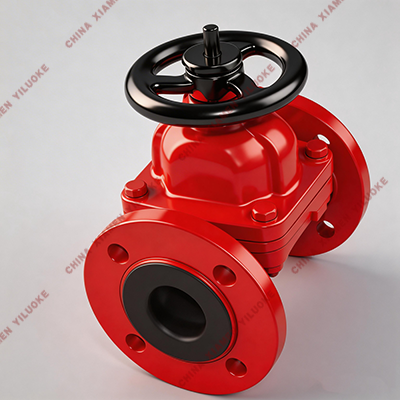
Elastic sealing opening and closing parts ensure zero internal leakage. The streamlined flow channel minimizes pressure loss. The packing-free structure completely eliminates external leakage. The valve body and bonnet are isolated by the intermediate diaphragm, protecting upper components such as the bonnet and valve stem from medium erosion. The diaphragm is the only moving part, avoiding rusting and jamming issues. Various lining material options adapt to diverse media, delivering high structural strength and excellent corrosion resistance.
Implementation Standards
Design & Manufacturing | GB12239 |
Face-to-Face Dimension | GB1221, JB1688 |
Flange Dimension Standard | JB78, JB79 (GB, HG, SH) |
Pressure Test Standard | GB/T13927 |
Marking Standard | GB12220 |
Delivery Standard | GB/T12252 |
Product Performance Parameters
Product Model | G41J Rubber Lined Diaphragm Valve | ||
Nominal Pressure (MPa) | 0.6 | 1.0 | 1.6 |
Shell Test Pressure (MPa) | 0.9 | 2.0 | 2.4 |
Sealing Test Pressure (MPa) | 0.7 | 1.1 | 1.76 |
Operating Temperature | -20℃~100℃ | ||
Valve Body Material | Cast Iron, Carbon Steel | ||
Lining / Seat Material | Natural Rubber, EPDM, Butyl Rubber, etc. | ||
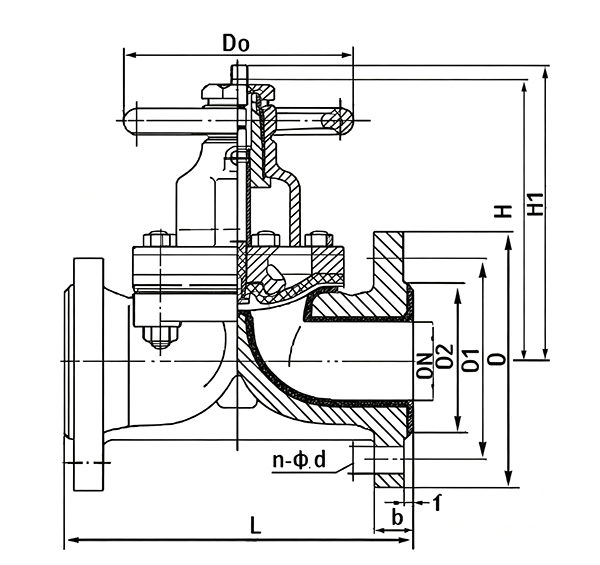
Diaphragm Material Selection Guide
Lining Material | Applicable Temperature | Applicable Media |
Hard Rubber (NR) | -10℃~85℃ | Applicable to hydrochloric acid, fluosilicic acid, formic acid, phenolic acid, 30% sulfuric acid, 50% hydrofluoric acid, 80% phosphoric acid, alkalis, salts, metal plating solutions, sodium hydroxide, potassium hydroxide, neutral salt solution, 10% sodium hypochlorite, wet chlorine gas, ammonia water, most alcohols, organic acids and aldehydes. Not applicable for strong oxidizing media such as nitric acid, chromic acid, concentrated sulfuric acid and hydrogen peroxide, as well as organic solvents. |
Soft Rubber (BR) | -10℃~85℃ | Features excellent wear resistance. Suitable for sulfuric acid below 50% concentration, sodium hydroxide, potassium hydroxide, neutral salt solution, ammonia liquid, cement, clay, coal ash, granular chemical fertilizer, high-wear solid fluid and various viscous fluids. |
Butyl Rubber (IIR) | -10℃~120℃ | Excellent corrosion resistance and wear resistance. Resistant to most organic acids, alkalis, hydroxides, inorganic salts, inorganic acid elemental gases, alcohols, aldehydes, ethers, ketones and esters. |
Neoprene Rubber (CR) | -10℃~120℃ | Suitable for animal oil, vegetable oil, inorganic lubricating oil and corrosive mud with wide pH variation range, with good wear resistance. |
Unlined Cast Iron | -40℃~100℃ | Non-corrosive media |
Leave Your Message
Products categories
-
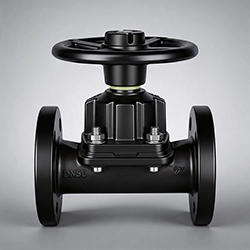
Straight Through Diaphragm Valve
-
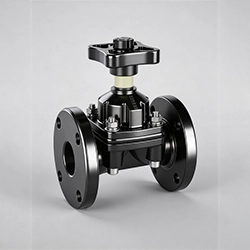
Weir Type Diaphragm Valve
-
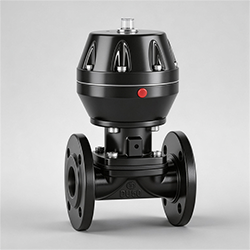
Pneumatic Actuated Rubber Lined Diaphragm Valve
-
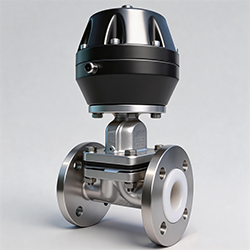
Pneumatic Actuated PTFE Fluorine Lined Diaphragm Valve
-
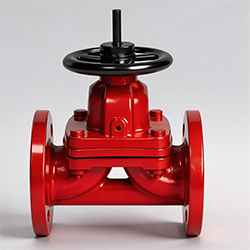
Rubber Lined Diaphragm Valve
-
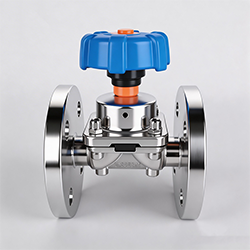
Stainless Steel Diaphragm Valve with Flange Ends
-
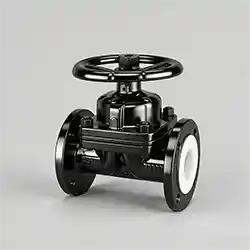
PTFE Lined Diaphragm Valve
-
Pneumatic Actuated Diaphragm Valve