


Pneumatic Actuated Ceramic Lined Ball Valves
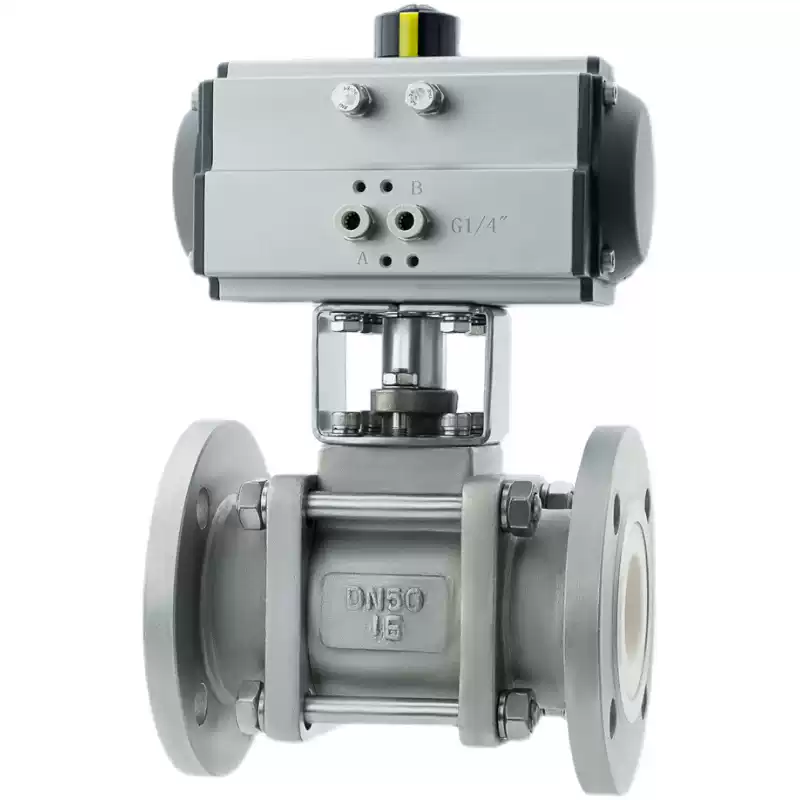
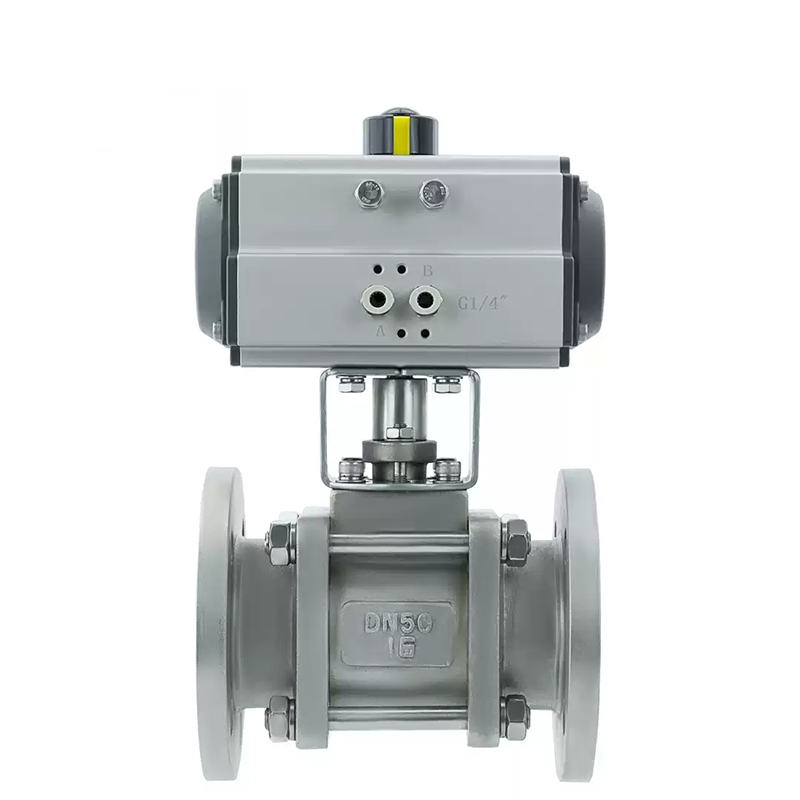
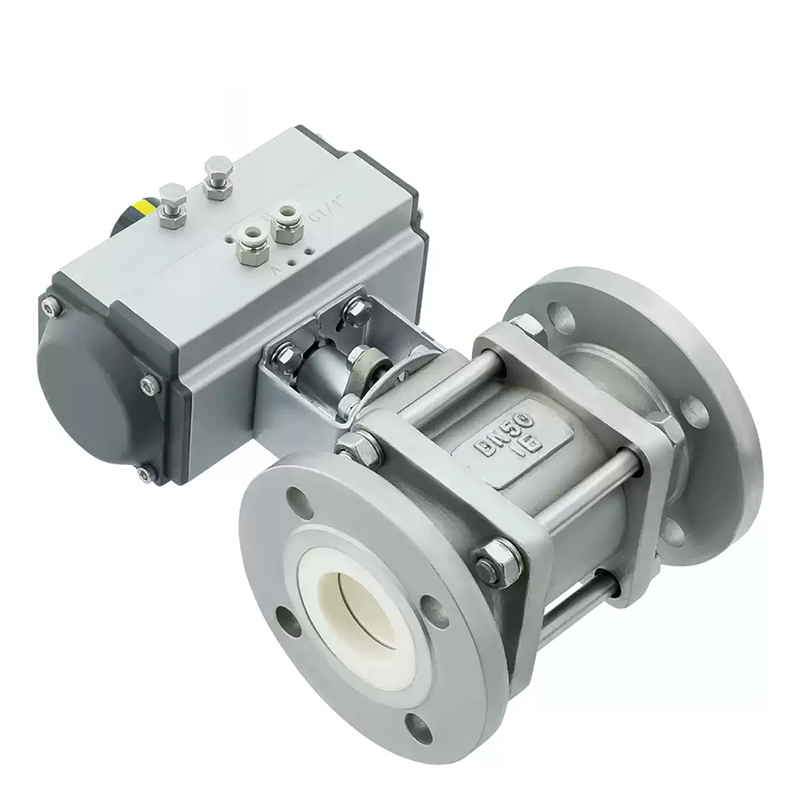
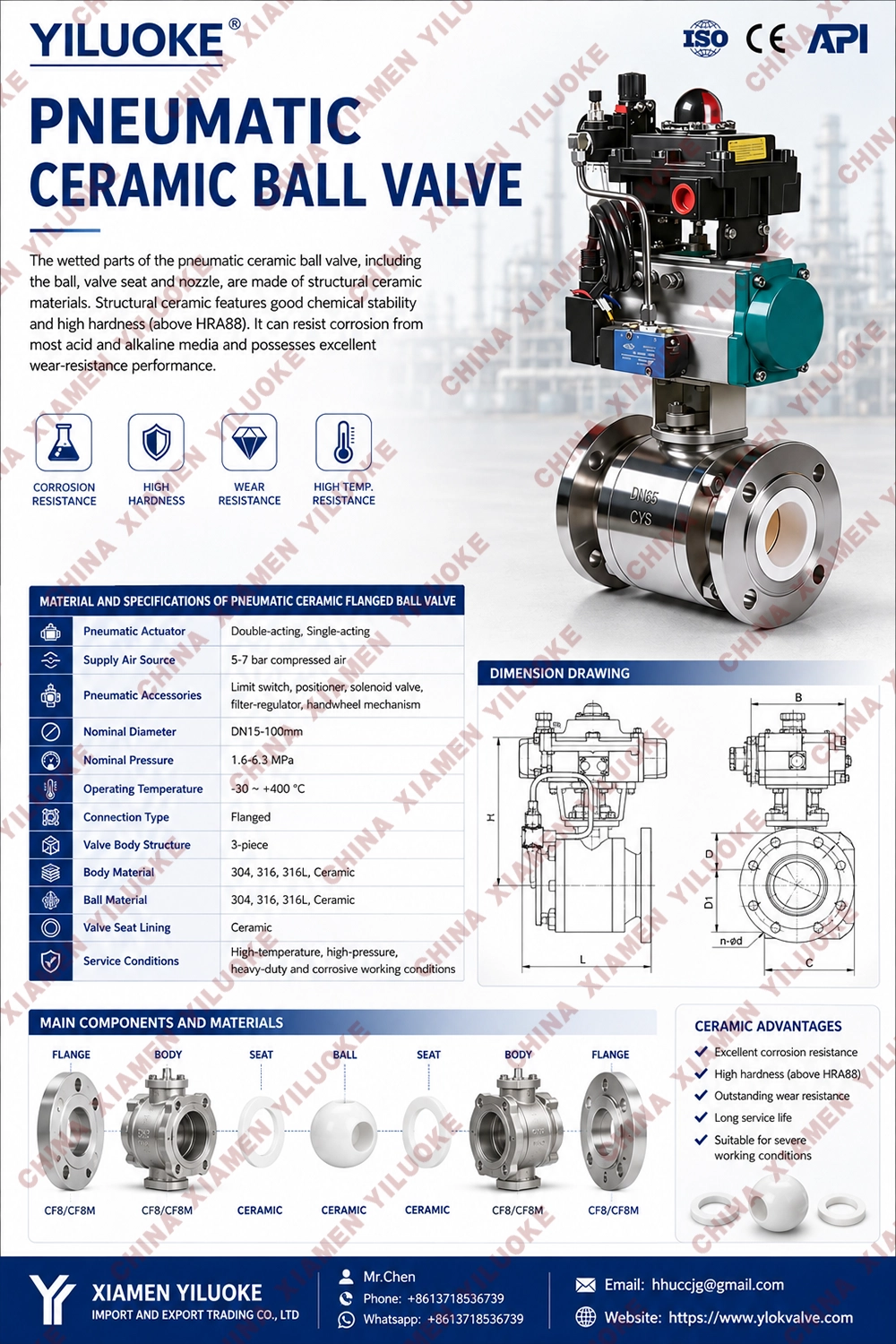
Pneumatic actuated ceramic lined ball valve features outstanding resistance to corrosion, high temperature, abrasion and erosion. It is widely used in petrochemical, metallurgical, paper‑making, power plant, oil refining and other industries for conveying acid, alkali, salt gas, liquid, high‑temperature steam and slurry media. It is an ideal replacement for titanium valves and monel valves under heavy‑corrosion working conditions. Zirconia ceramic lined ball valve delivers low cost, high operating economy and long service life, which is 2‑4 times longer than titanium valves. Available actuation types include manual, pneumatic, pneumatic spring‑return and electric. Custom special ceramic lined valves can be developed according to customer requirements. It is suitable for liquid and gas media of acid, alkali and salt. Hard‑sealed version is especially applicable for media with particles and fibers.
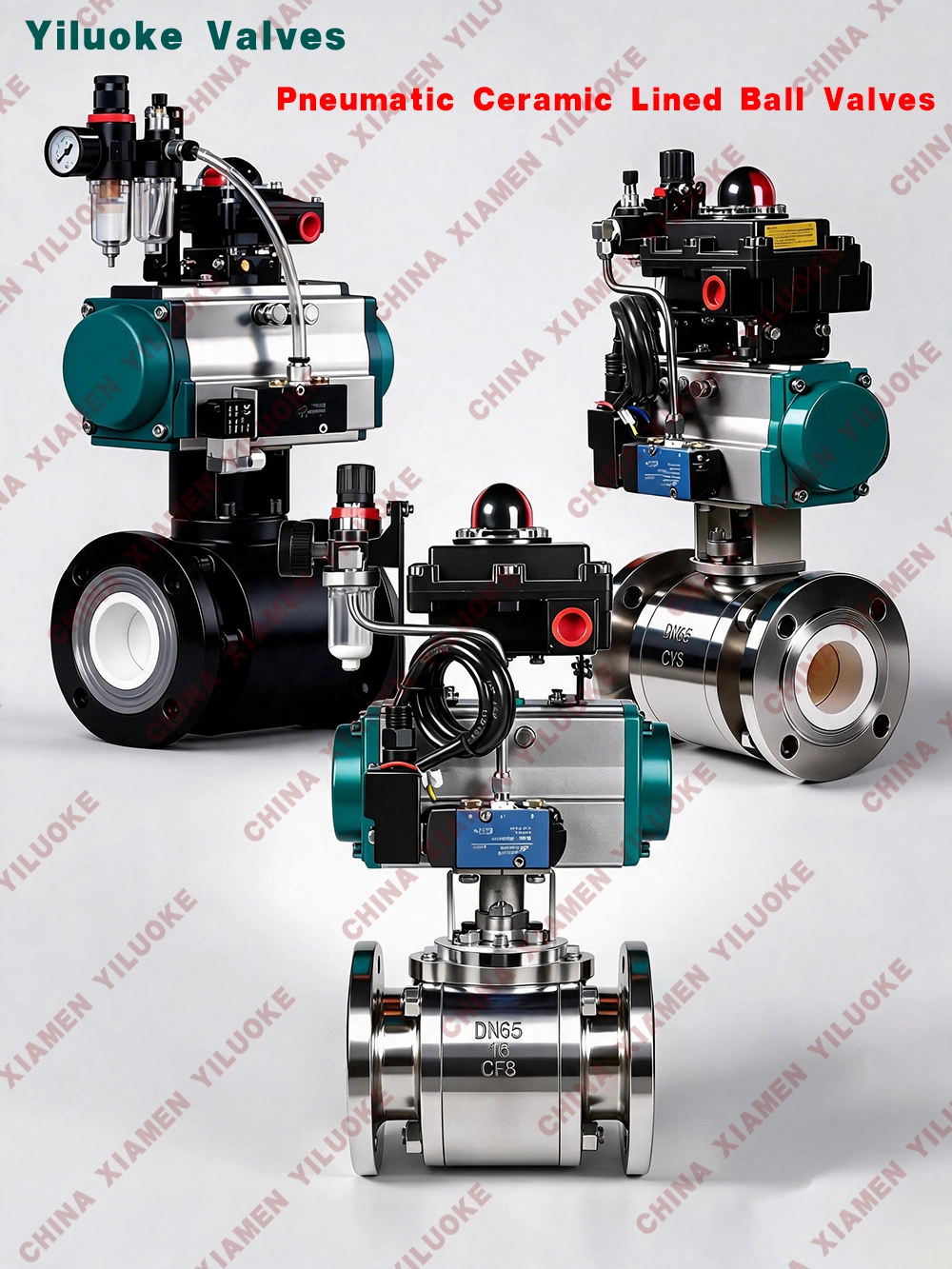
Product Performance
| Product Type | Features | Technical Parameters |
| Ceramic Control Ball Valve | V‑notch design for linear flow regulation | Regulation accuracy ±1% |
| Wear‑Resistant Ceramic V‑Port Ball Valve | 60°/90° V‑port for shearing particulate matter | DN15‑DN300 |
| Pneumatic Ceramic Shut‑off Valve | Fast shut‑off (<1 second) | Low leakage rate |
| Lined Ceramic Flanged Ball Valve | Full‑bore design with zero dead volume | PN6‑PN64 |
Technical Parameters
| Pneumatic Actuator | Double‑acting, Single‑acting |
| Supply Gas | 5‑7bar compressed air |
| Pneumatic Accessories | Limit switch, positioner, solenoid valve, filter‑regulator, handwheel mechanism |
| Nominal Diameter | DN15‑100mm |
| Nominal Pressure | 1.6‑6.3MPa |
| Operating Temperature | -30~+400℃ |
| Connection Type | Flange |
| Valve Body Structure | 3‑piece |
| Valve Body Material | 304, 316, 316L, Ceramic |
| Ball Material | 304, 316, 316L, Ceramic |
| Valve Seat Lining | Ceramic |
| Suitable Media | High‑temperature high‑pressure, heavy‑duty and corrosive working conditions |
Features
1. Pneumatic O‑type ball and valve seat are made of high‑performance toughened structural ceramic, providing high wear resistance, erosion resistance and corrosion resistance.
2. Pneumatic actuated ceramic lined ball valve has incomparable advantages over metal ball valves. Its service life is 2‑4 times longer than titanium and monel metal valves.
3. This valve is normally applied in sites with air pump supply, and also widely used in flammable and explosive harsh environments. It adopts air source to realize valve opening, closing and regulation. Remote control can be realized when equipped with air filter‑regulator unit. With fast opening‑closing speed, it is also known as fast shut‑off ball valve.
4. All media‑contact parts are structural ceramic materials. Its chemical stability and hardness (HRC90) are second only to diamond. Therefore, the valve possesses excellent performance of wear resistance, corrosion resistance, erosion resistance, good thermal insulation and low thermal expansion.
5. The ball is manufactured by advanced grinding equipment and process with high roundness precision and fine surface finish. After lapping with valve seat, good sealing performance can be achieved by self‑lubricating property of ceramic.
6. It completely solves the disadvantages of metal hard‑sealed ball valves such as easy leakage, large torque and corrosion‑vulnerable sealing surface.
7. Benefiting from excellent wear resistance of ceramic, the valve is durable and highly reliable. Its service life is 2‑4 times longer than titanium alloy valves and monel valves.
8. It delivers incomparable performance for high‑hardness particulate media or corrosive media containing soft particles, and is the preferred valve for such working conditions.
Application Scope
Suitable for all media except HF (hydrofluoric acid), under high‑corrosion, high‑abrasion, high‑temperature and medium‑pressure conditions with max temperature up to 500℃ and max pressure up to 5.0MPa.
Main Application Fields
1. Power plant: desulfurization unit, fly ash, lime & lime slurry, gypsum, filtrate and others
2. Waste incineration plant: desulfurization, lime slurry, HCI absorption tower and others
3. Steel plant: coal powder injection, steel desulfurization, lime, silicate, MgO and others
4. Paper‑making industry: kaolin, bentonite, talcum powder, quartz, MgO, CaCO₃, other paper fillers, bleaching agent, NaOH, filtrate and others
5. Chemical plant: various acids, metal slurry, organic matters, polymer, TiO₂ slurry, TiCI₄, FeCI₂, corrosive agents, mixed liquid and others
6. Pneumatic conveying: sand, lime, glass, cement, ore, gypsum, powder and others
7. Fertilizer industry: ammonium nitrate, phosphoric acid and phosphate salts
Leave Your Message
Products categories
-
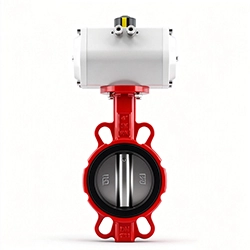
Pneumatic Actuated Butterfly Valve
-
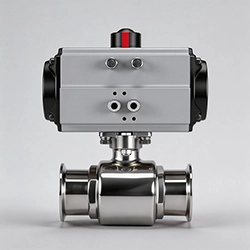
Pneumatic Actuated Sanitary Ball Valve
-
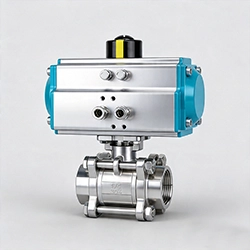
Pneumatic Actuated 3-Piece Ball Valve
-
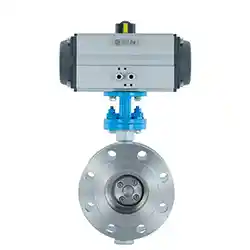
Pneumatic Hard Seal Flange Butterfly Valve
-
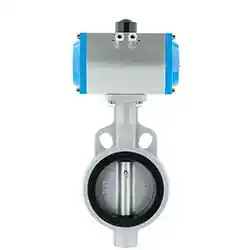
Pneumatic Center-Line Rubber Sealed Butterfly Valve
-
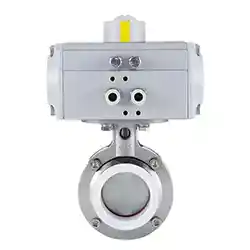
Pneumatic Sanitary PTFE Lined Butterfly Valve
-
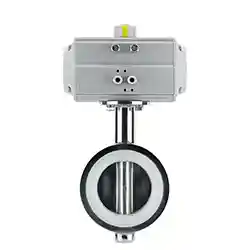
Pneumatic Sanitary Wafer Butterfly Valve
-
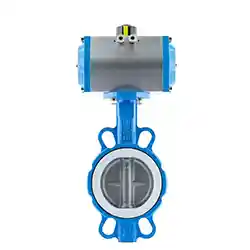
Pneumatic Carbon Steel WCB Butterfly Valve
-
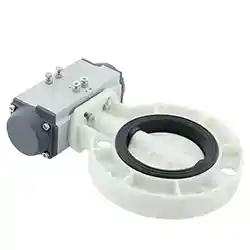
Pneumatic PPR Butterfly Valve