


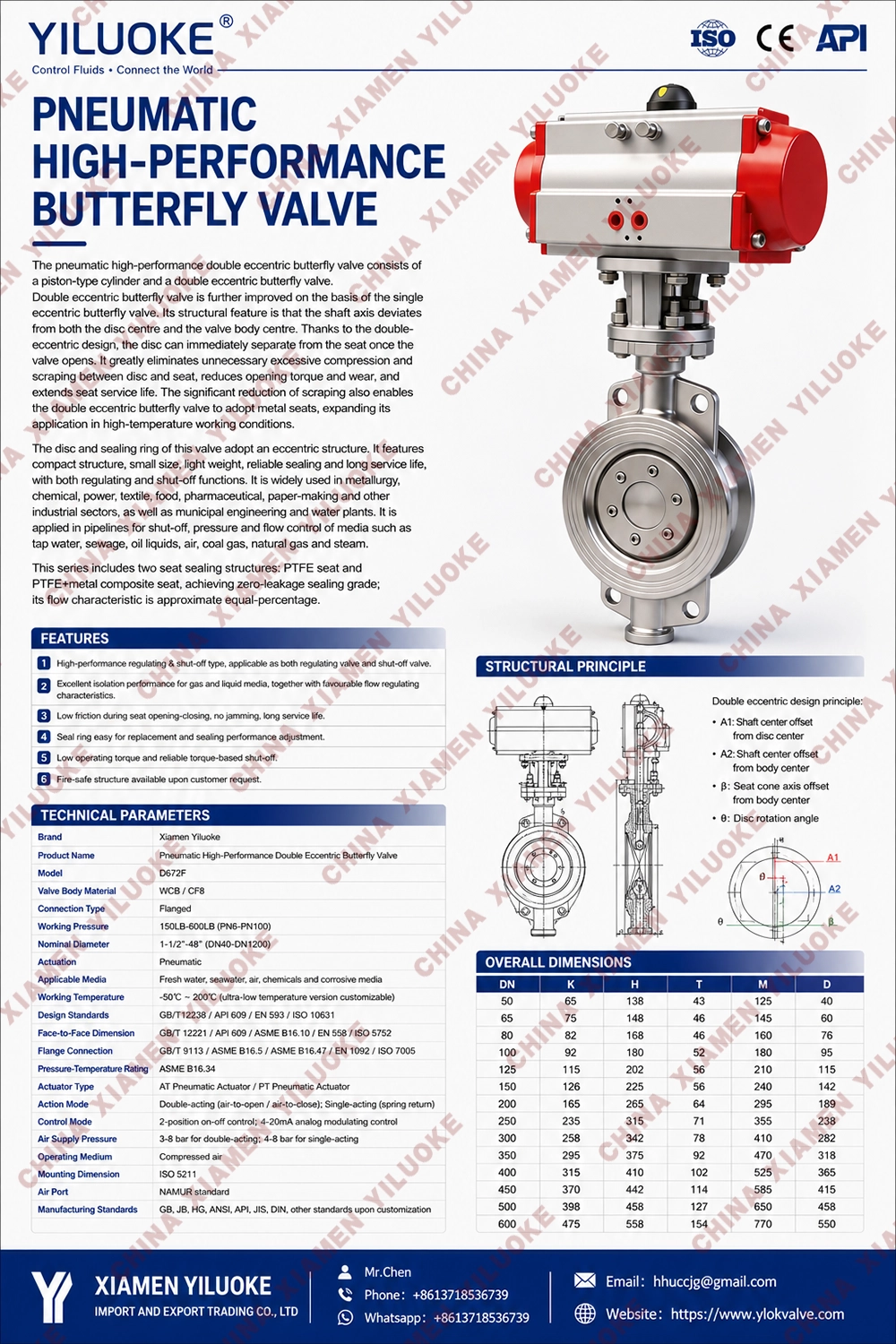
Pneumatic High-Performance Double Eccentric Butterfly Valve
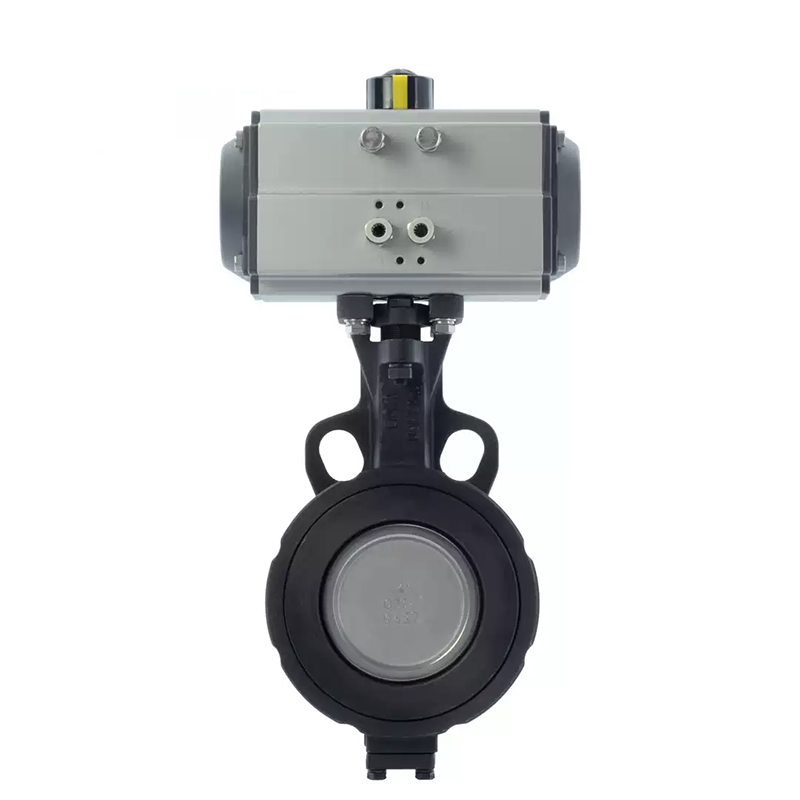
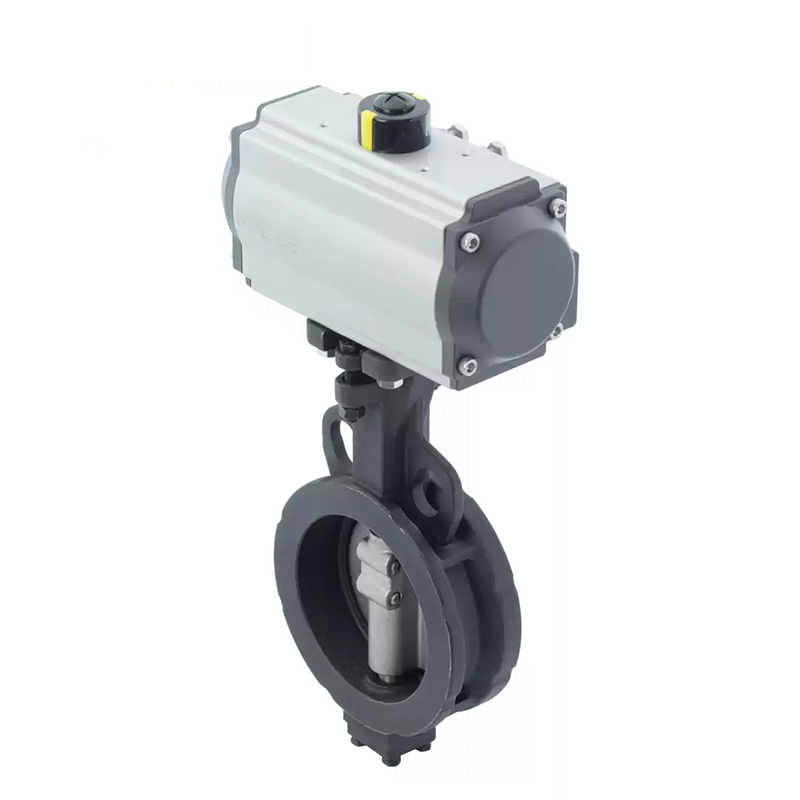
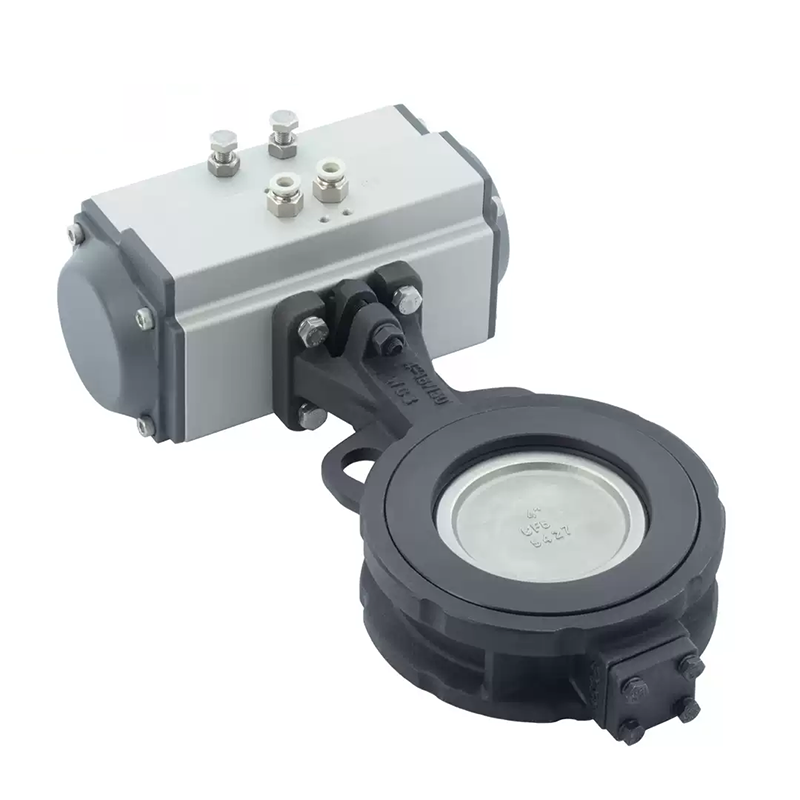
The pneumatic high‑performance butterfly valve adopts a unique eccentric structure. Its disc features a spherical arc curved surface, creating line‑surface contact between disc and seat. The sealing structure achieves genuine dynamic sealing relying on pipeline pressure. It performs better than ordinary soft‑seated butterfly valves under high‑temperature (metal‑seated), high‑pressure and high‑cycle conditions and prevents tearing between disc and seat. It is widely used in metallurgy, chemical, power, paper‑making, food, pharmaceutical and other industries.
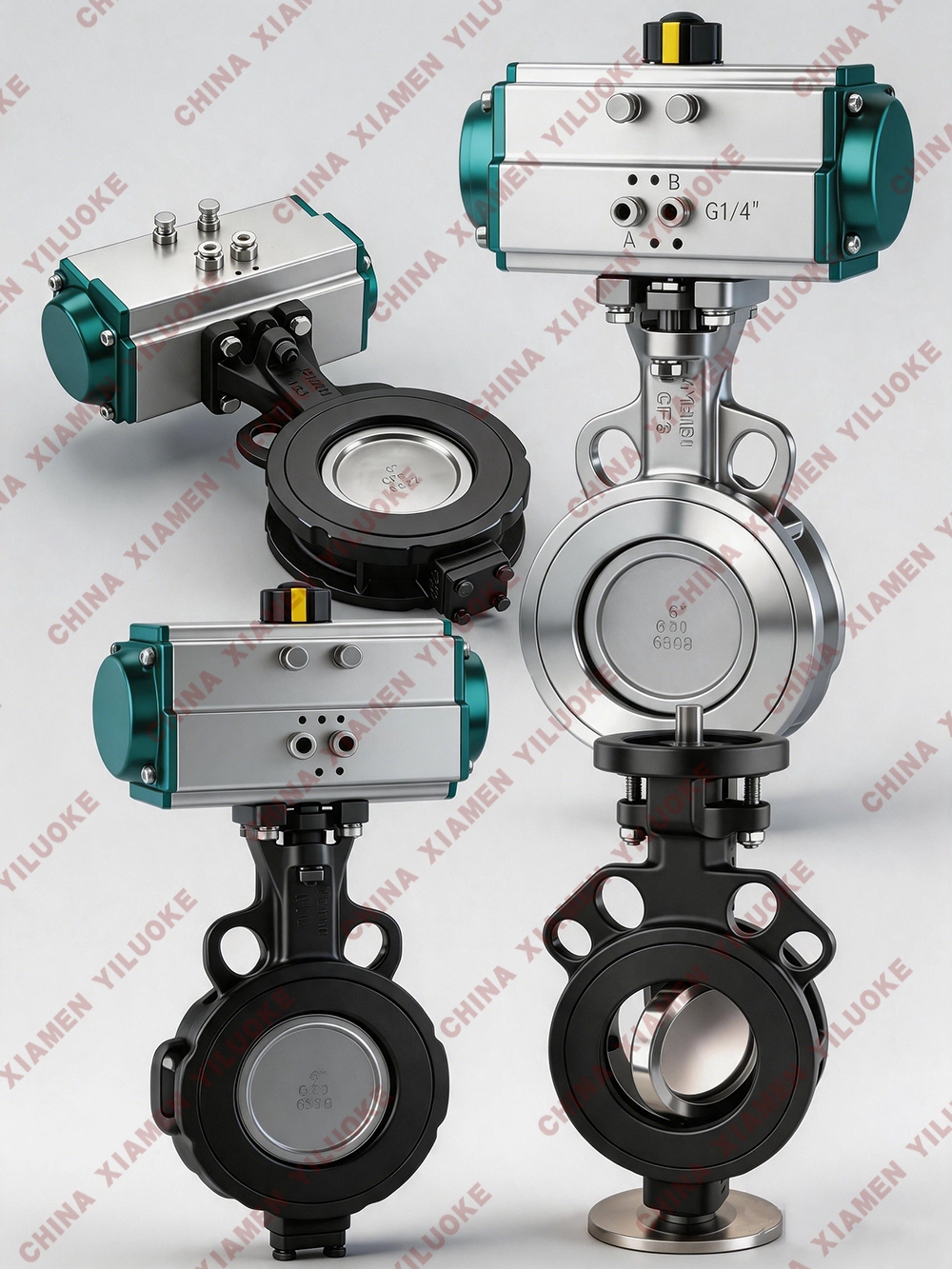
Structural Principle
Double Eccentric Layout
The valve stem axis deviates from valve body center, and the spherical sealing surface of disc further offsets from valve stem axis. Upon opening, the disc separates from seat immediately. No friction or scraping occurs on sealing ring throughout stroke, eliminating seal wear‑caused leakage of concentric butterfly valves. Service life exceeds 1,000,000 cycles.
Lip‑Type Floating Seat (PTFE/RPTFE)
The seat is an elastic flexible component. Higher medium pressure pushes seat tighter against disc to realize pressure‑actuated self‑energized sealing with bi‑directional zero‑leakage performance. The seat is a removable insert, allowing on‑site seal replacement without removing the whole valve from pipeline.
Pneumatic Actuator Module
Actuators include double‑acting type (air supply controls open/close) and spring‑return single‑acting type (fail‑safe, auto open / auto close upon air loss). Standard air supply pressure ranges from 0.4‑0.7MPa.
Universal ISO5211 High Mounting Pad
Solenoid valves, positioners and limit switches can be mounted directly without extra brackets for strong compatibility.
Product Features
1. High‑performance regulating & shut‑off type, works both as control valve and isolation valve.
2. Bi‑directional sealing. Different from common single‑direction sealing, it maintains reliable sealing even under reverse flow or water hammer conditions.
3. One‑piece cast valve body, compact structure, small dimension and light weight.
4. Double‑eccentric (Variable Eccentricity) structure. Disc expands outward while closing for full peripheral sealing. Disc disengages rapidly from sealing ring while opening to reduce seal abrasion. It lowers operating torque and extends valve service life.
5. Innovative sealing ring design. PTFE seal adopts lip‑tooth self‑sealing profile; metal seal adopts U‑shaped elastic profile for long‑life reliable sealing. Selection between soft‑seat and metal‑seat depends on user requirements, working conditions and anti‑corrosion demands.
6. Large flow capacity and low flow resistance, second only to full‑port O‑ball valves of same nominal size.
7. Large flow bore for adsorption dryer application. Port diameter exceeds requirement of GB12238. Nearly non‑reduced bore facilitates pipeline cleaning and self‑cleaning, suitable for turbid, low‑viscosity media containing suspended particles and fibers.
8. Flangeless wafer connection. Face‑to‑face dimension: soft‑seat follows GB12221 series 20 (ISO5752 series 20); metal‑seat follows GB12221 series 16 (ISO5752 series 16). Good interchangeability conforming to international standards.
Technical Parameters
| Size Range | DN50‑DN700 |
| Pressure Rating | PN10/PN16/5K/10K/150LB |
| Control Gas | Neutral gas, compressed air |
| Air Supply Pressure | 4bar‑8bar |
| Valve Body Material | Carbon steel, 304, 316, 316L, 2205, TA2 |
| Disc Material | Carbon steel, 304, 316, 316L, 2205, TA2 |
| Seat Material | PTFE, RPTFE, PPL |
| Packing Material | PTFE, RPTFE, Graphite |
| Connection Type | Wafer, Flange |
| Optional Accessories | Single‑acting cylinder, double‑acting cylinder, position feedback, solenoid valve, air filter regulator, handwheel |
Application Scenarios
Water Treatment & HVAC: automatic shut‑off and regulation for circulating water, pure water and sewage pipelines.
Chemical & PSA Air Separation: shut‑off for process gas, nitrogen, acid and alkali media.
Power Plant Desulfurization & Denitrification: airflow regulation for flue gas ducts.
Oil & Gas Industry: emergency shut‑off for low‑pressure gas pipelines.
Pharmaceutical & Food Industry: hygienic pipelines with non‑polluting PTFE sealing.
Class150LB lug / flange pneumatic high‑performance butterfly valve is also available.
Pneumatic High‑Performance Butterfly Valve Selection Guide
1. Confirm medium properties and working conditions. Verify fluid type (water, steam, oil, acid‑alkali solution etc.), temperature range, operating pressure and particle content. High‑performance butterfly valves suit medium‑high pressure, high‑temperature or corrosive media. Body and seal materials (carbon steel, 304/316 stainless steel, PTFE, EPDM or metal seat) must be chemically compatible to avoid corrosion or aging failure.
2. Determine valve structural type. Pneumatic high‑performance butterfly valves are mostly double‑eccentric or triple‑eccentric. Double‑eccentric for general sealing requirements with cost advantage. Triple‑eccentric adopts oblique‑cone metal‑to‑metal or composite sealing for severe conditions including high‑temperature, high‑pressure, frequent cycling and zero‑leakage requirements. Select according to sealing class such as ANSI Class IV/V/VI.
3. Match pneumatic actuator. Calculate required actuator output torque based on pipeline torque and reserve 20%‑30% safety margin. Choose between single‑acting (spring return, fail‑close / fail‑open) and double‑acting (faster response) according to safety logic. Confirm air supply pressure 0.4‑0.7MPa matches site condition.
4. Interface standard and installation. Check connection type (wafer, flange) and standards (PN16, Class150, DIN, JIS). Wafer type is compact and low‑cost for limited space. Flange type facilitates disassembly‑maintenance for high‑pressure systems.
5. Optional extra functions. Equip limit switches, solenoid valves, positioners or smart feedback modules for remote monitoring and automatic control.
Leave Your Message
Products categories
-
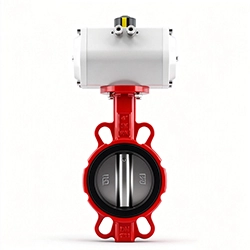
Pneumatic Actuated Butterfly Valve
-
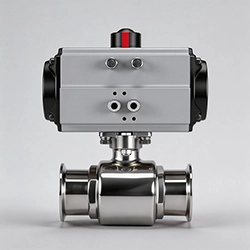
Pneumatic Actuated Sanitary Ball Valve
-
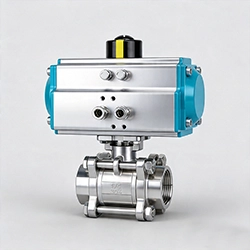
Pneumatic Actuated 3-Piece Ball Valve
-
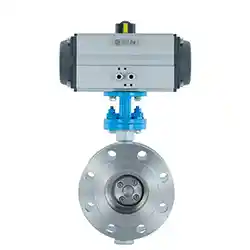
Pneumatic Hard Seal Flange Butterfly Valve
-
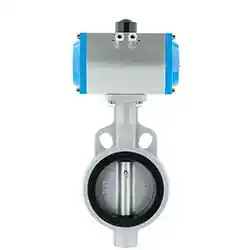
Pneumatic Center-Line Rubber Sealed Butterfly Valve
-
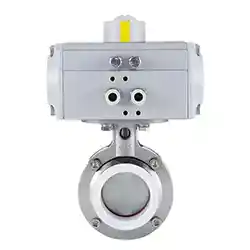
Pneumatic Sanitary PTFE Lined Butterfly Valve
-
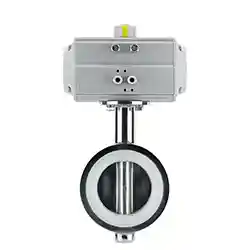
Pneumatic Sanitary Wafer Butterfly Valve
-
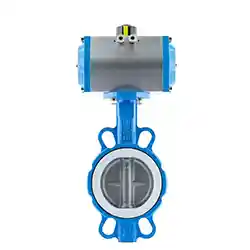
Pneumatic Carbon Steel WCB Butterfly Valve
-
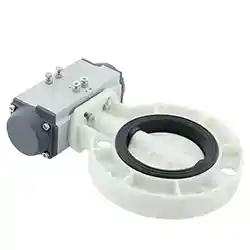
Pneumatic PPR Butterfly Valve