


Pneumatic Actuated High Pressure Ball Valve
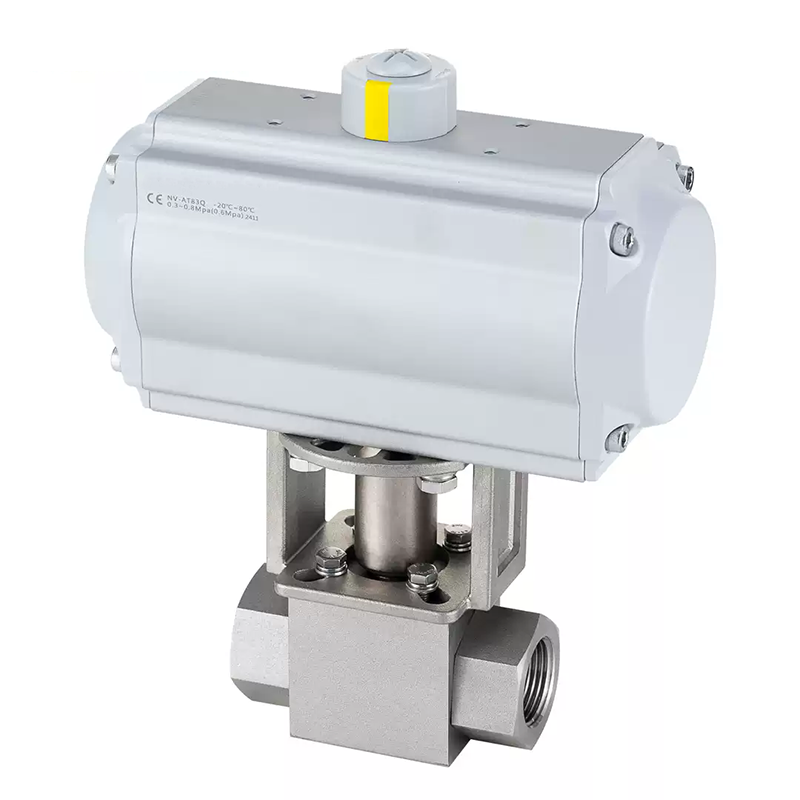
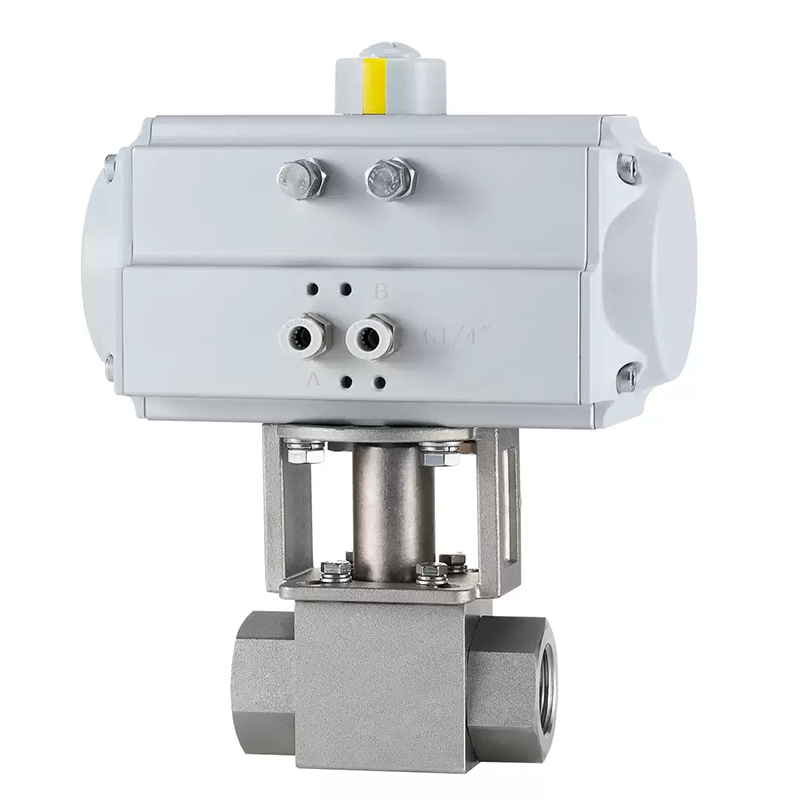
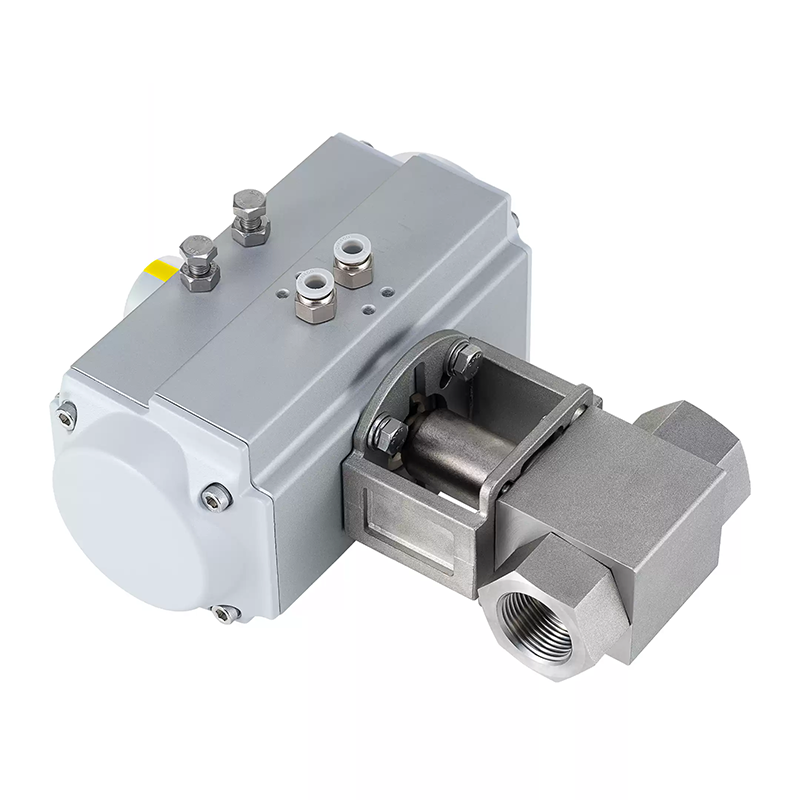
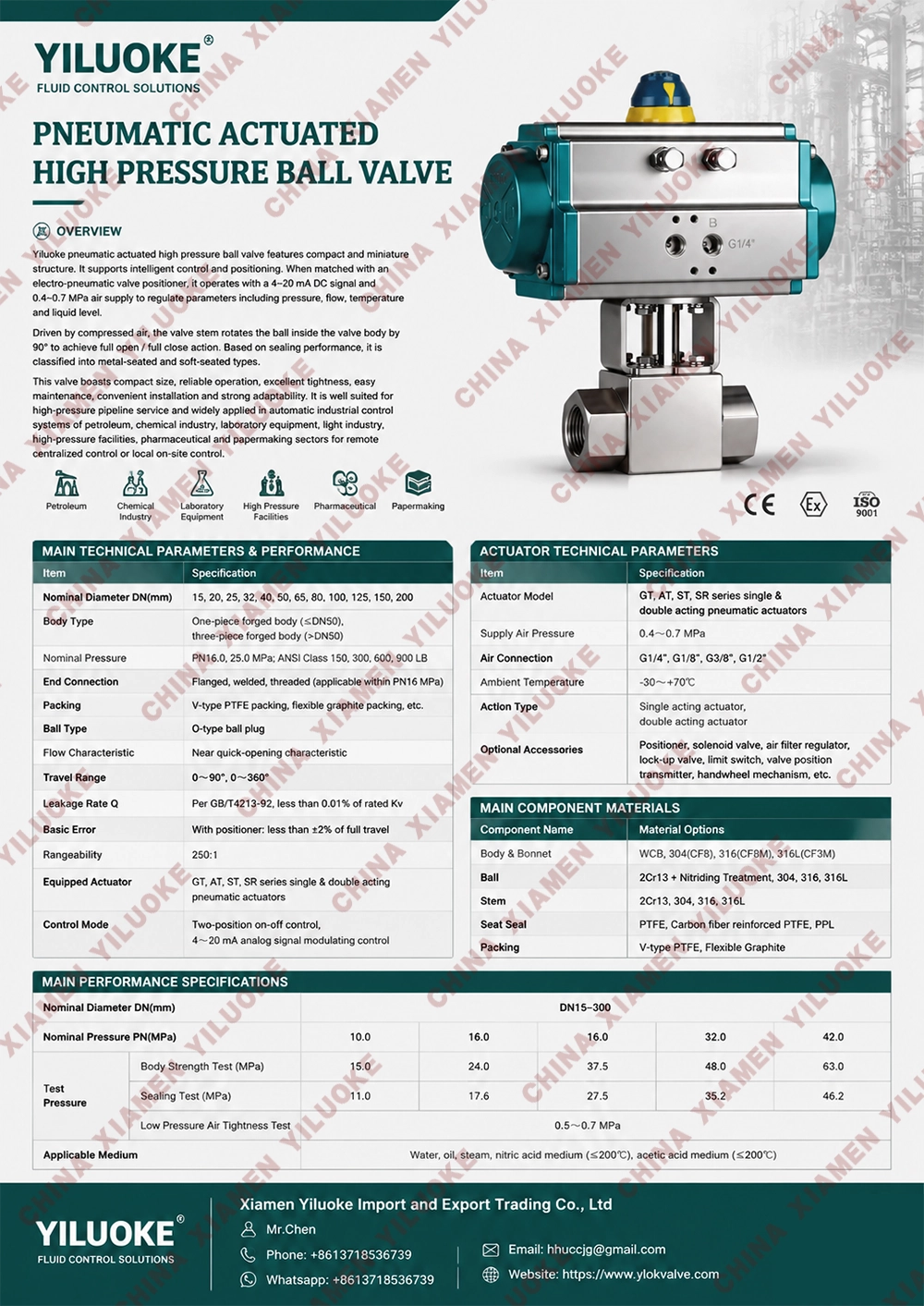
Pneumatic Actuated High Pressure Ball Valve is mainly used in hydraulic pipelines to control the flow and shut-off of oil fluid. This ball valve features low flow resistance loss, reliable sealing performance, convenient operation and exquisite appearance. The valve body is made of forged steel with chrome plating or yellow zinc plating on the surface. It can be equipped with a valve positioner to receive 4-20mA analog signal to adjust the rotation opening of the ball core, realizing proportional regulation of medium pressure, flow rate, temperature and other parameters.
Product Features
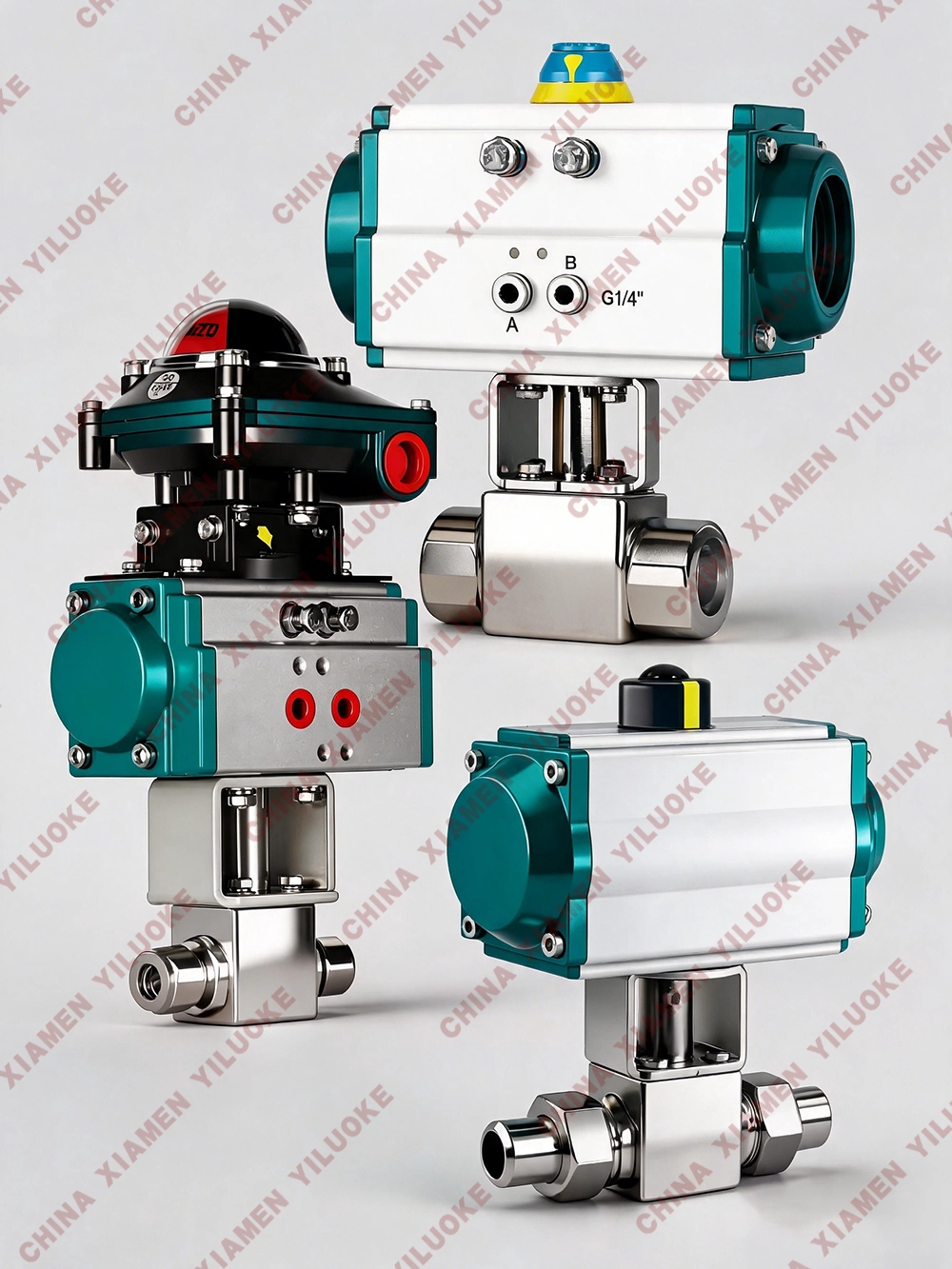
Pneumatic Actuated High Pressure Ball Valve consists of a pneumatic actuator and forged female thread high pressure ball valve. The valve body is manufactured by forging process to improve material strength and avoid defects such as pores and sand holes on castings, ensuring safe operation of high pressure ball valve. The sealing ring adopts nylon material, which can withstand higher pressure than PTFE, with long service life and good sealing performance. The main and auxiliary valve bodies are connected by threads for compact structure. It is suitable for media such as hydraulic oil and high-pressure gas. The pneumatic actuator can be fitted with various accessories for safer and more convenient operation.
Technical Parameters
| Product Name | Pneumatic Actuated High Pressure Ball Valve |
| Model | Q611F-320P / Q611F-500P / KHB |
| Valve Body Material | Stainless Steel / Carbon Steel |
| Connection Type | Female Thread |
| Rated Pressure | 32MPa / 50MPa |
| Nominal Diameter | DN8~DN50 |
| Actuation Mode | Pneumatic |
| Applicable Media | Water, gas, hydraulic oil, etc. |
| Operating Temperature | -20°C ~ +150°C |
| Actuator Type | AT Pneumatic Actuator |
| Action Type | Double Acting (Air open & air close), Single Acting (Spring return) |
| Control Mode | 2-position on-off control, 4-20mA analog control |
| Air Supply Pressure | Double Acting: 3-8bar; Single Acting: 4-8bar |
| Operating Medium | Compressed Air |
| Mounting Standard | ISO5211 |
| Air Port Standard | Compliant with NAMUR standard |
| Manufacturing Standard | GB, JB, HG, ANSI, API, JIS, DIN; customized standards available |
Model Coding Rules
Yiluoke M27×1.5 10 1 1 1 1 01
1 2 3 4 5 6 7 8
1. Series Code: Yiluoke Series 1 - Valve block ball valve DN4-DN25; Yiluoke Series 2 - Sleeve type ball valve DN32-DN50.
2. Connection Code: M**, G**, **LR, **SR, PT**, NPT**.
3. Nominal Diameter: 04, 06, 08, 10, 13, 16, 20, 25, 32, 40, 50.
4. Material of Valve Body & Connector: 1-45# Steel, 3-316 Stainless Steel.
5. Material of Ball & Valve Lock: 1-45# Steel, 3-316 Stainless Steel.
6. Ball Seal Material: 1-POM, 2-PTFE.
7. Seal Material between valve body, connector and valve lock: 1-NBR, 2-FPM/FKM.
8. Handle Type: 01-Type C Zinc Alloy Curved Handle, 02-Type B Zinc Alloy Curved Handle, 03-Type B Cast Steel Curved Handle, 09-Without Handle.
Note: The pressure parameters correspond to products made of carbon steel. Material combination 1111 is standard configuration. The maximum working pressure for PTFE shall not exceed 100bar.
Material of Main Parts
| Part Name | Material | Material | Material | Material |
|---|---|---|---|---|
| Valve Body, Bonnet | A105 | 304 | 316 | 316L |
| Ball | 2Cr13+Nitriding Treatment | 304 | 316 | 316L |
| Stem | 2Cr13 | 304 | 316 | 316L |
| Seat Seal | PTFE, Carbon fiber reinforced PTFE, PPL | PTFE, Carbon fiber reinforced PTFE, PPL | PTFE, Carbon fiber reinforced PTFE, PPL | PTFE, Carbon fiber reinforced PTFE, PPL |
| Packing | V-type PTFE, Flexible Graphite | V-type PTFE, Flexible Graphite | V-type PTFE, Flexible Graphite | V-type PTFE, Flexible Graphite |
Overall Dimensions
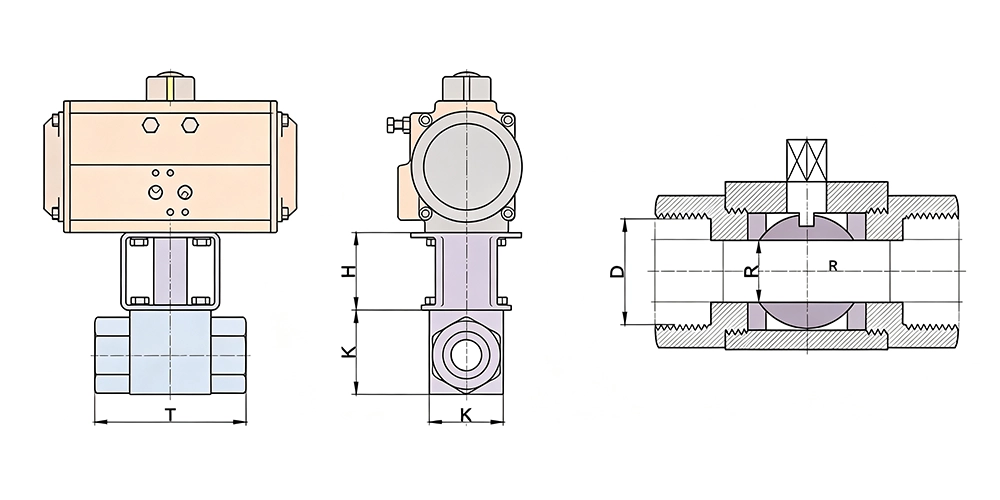
Pneumatic Hydraulic High Pressure Ball Valve Dimension Drawing
| DN | T | H | C | K | D | R |
|---|---|---|---|---|---|---|
| 8 | 83 | 43 | 48 | 34 | G1/4" | 6 |
| 10 | 83 | 43 | 48 | 34 | G3/8" | 8 |
| 15 | 83 | 43 | 48 | 34 | G1/2" | 10 |
| 20 | 103 | 53 | 62 | 45 | G3/4" | 14.5 |
| 25 | 113 | 64 | 62 | 56 | G1" | 19.6 |
| 32 | 125 | 68 | 62 | 60 | G1-1/4" | 24.5 |
| 40 | 136 | 70 | 73 | 66 | G1-1/2" | 30 |
| 50 | 160 | 88 | 73 | 80 | G2" | 39.6 |
Leave Your Message
Products categories
-
Pneumatic Actuated Butterfly Valve
-
Pneumatic Actuated Sanitary Ball Valve
-
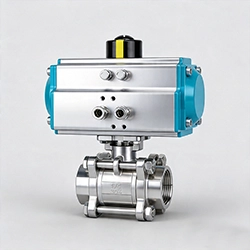
Pneumatic Actuated 3-Piece Ball Valve
-
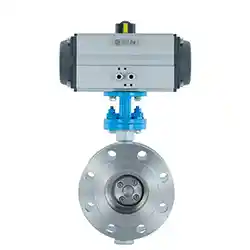
Pneumatic Hard Seal Flange Butterfly Valve
-
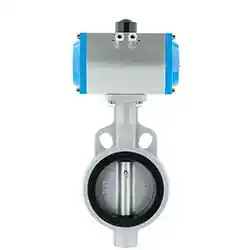
Pneumatic Center-Line Rubber Sealed Butterfly Valve
-
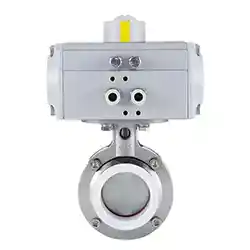
Pneumatic Sanitary PTFE Lined Butterfly Valve
-
Pneumatic Sanitary Wafer Butterfly Valve
-
Pneumatic Carbon Steel WCB Butterfly Valve
-
Pneumatic PPR Butterfly Valve