


Electric Control Valve
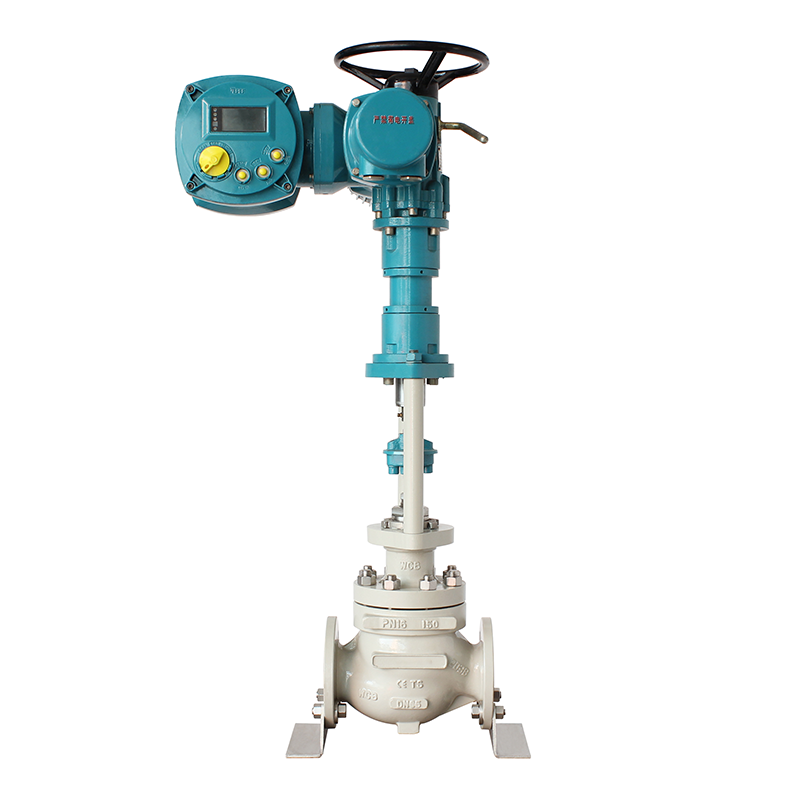
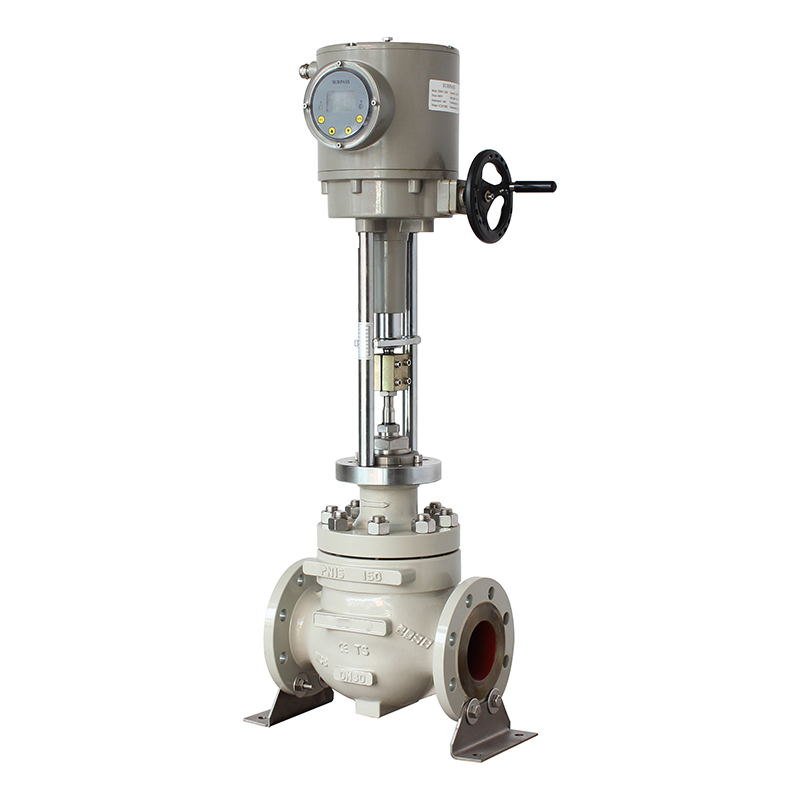
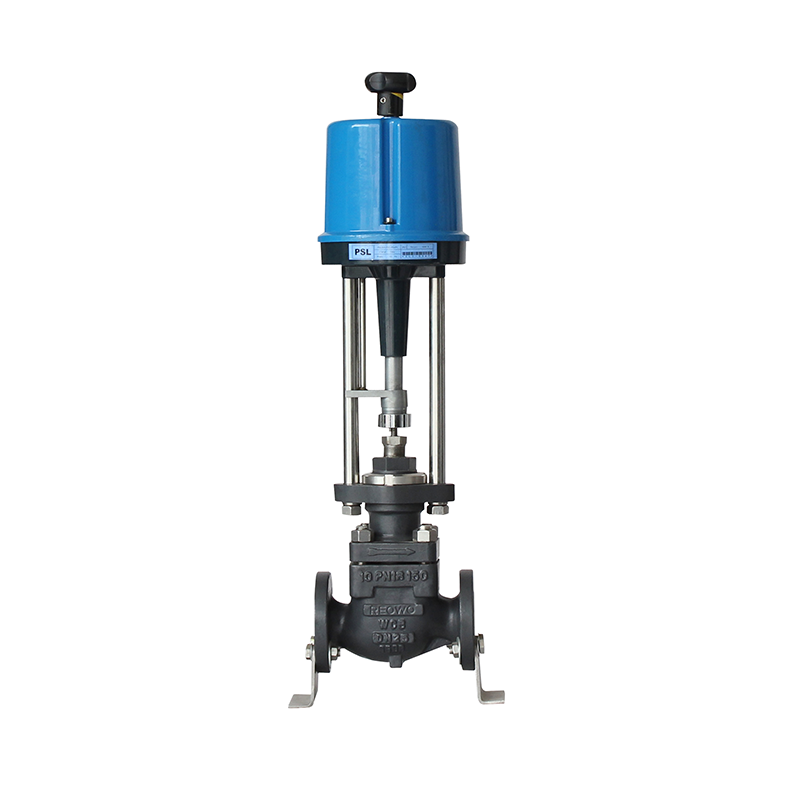
1. Product Overview
An electric control valve is an automatic valve driven by an electric actuator, widely used in industrial processes for precise regulation of fluid flow, pressure, temperature and other process parameters. It is mainly composed of an electric actuator and a control valve body. By receiving standard industrial control signals of 4~20mA or 1~5V, the actuator drives the valve plug to change the flow area between the plug and valve seat, so as to realize accurate adjustment of fluid media.
2. Product Features
High-precision Control: Adopts closed-loop feedback mechanism, with the adjustment accuracy up to ±1% of full scale.
Diversified Structural Design: Multiple body types including straight single-seat, double-seat and cage-type structures are available to adapt to different pressure differences and medium characteristics.
High Pressure & Corrosion Resistance: Valve body materials include carbon steel, stainless steel and special alloys. Certain models support high working pressure up to 32.0MPa.
Intelligent Integration: Equipped with servo amplifier and position transmitter for optional models, supporting remote monitoring and manual switching functions.
3. Working Principle
The electric control valve supports multiple power supply specifications including DC24V, AC220V and AC380V. It accepts input control signals of DC 4~20mA or DC 1~5V and outputs DC 4~20mA feedback signal (load resistance ≤500Ω).
By receiving signals from industrial automatic control systems, the valve dynamically changes the flow cross-sectional area between the plug and seat, precisely controlling pipeline medium parameters such as flow rate, temperature and pressure to achieve fully automatic process regulation.
4. Technical Parameters
Parameter Item | Specification |
Nominal Diameter | DN6~DN400 (Depends on model) |
Nominal Pressure | 1.6~32.0MPa (High-pressure type up to 32.0MPa) |
Working Temperature | -196℃~+450℃ (High-temperature bonnet for working temperature above 250℃) |
Power Supply Voltage | AC220V / AC380V / DC24V (Optional) |
Control Signal | 4~20mA, 0~10VDC (Supports split-range control) |
Protection Grade | IP65~IP68 (Dustproof & Waterproof); Explosion-proof: ExdⅡBT4 |
5. Application Fields
Petrochemical Industry: Suitable for flow and pressure control of high-pressure difference and corrosive media, such as urea process systems.
Power & Metallurgy: Applied in boiler water supply, steam regulation and cooling system control.
Water Treatment & Environmental Protection: Corrosion-resistant valves for pure water and sewage pipelines (PPH/PVC material optional).
Pharmaceutical & Food Industry: Sanitary-type valves meet sterile production requirements with non-toxic and easy-to-clean materials.
HVAC System: Used for temperature and flow regulation of air conditioning cold and hot water circulation systems.
6. Linear Stroke vs. Rotary Stroke Control Valve
Electric control valves are divided into linear stroke and rotary stroke types according to the movement track of the valve plug.
Linear Stroke Control Valve: The valve plug moves linearly and reciprocatingly (including high-pressure linear valves with spiral movement). Typical products include single-seat valves, double-seat valves, cage valves, three-way valves, angle valves, Y-type valves and axial flow valves.
Rotary Stroke Control Valve: The valve plug rotates reciprocatingly within 90 degrees. Typical products include butterfly valves, ball valves, eccentric rotary valves (cam flex valves) and plug valves.
Leave Your Message
Products categories
-
Pneumatic Micro‑Flow Control Valve
-
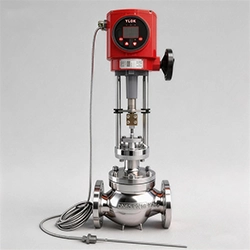
Electric Temperature Control Valve
-
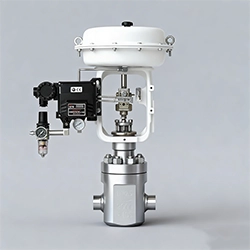
Pneumatic High‑Pressure Control Valve
-
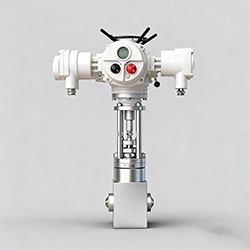
Electric High‑Pressure Control Valve
-
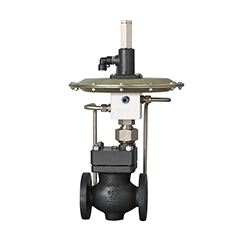
Self-Operated Micro Pressure Control Valve
-
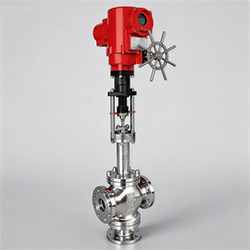
Electric 3-Way Control Valve
-
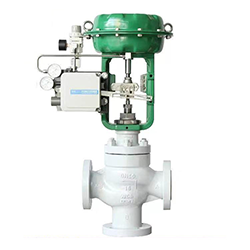
Pneumatic Actuated 3-Way Control Valve
-
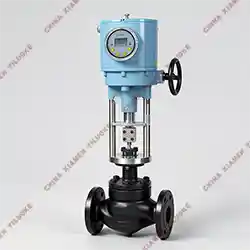
Electric Sleeve Control Valve
-
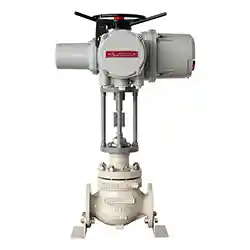
Intelligent Electric Control Valve