


Electric Sleeve Control Valve
Product Introduction
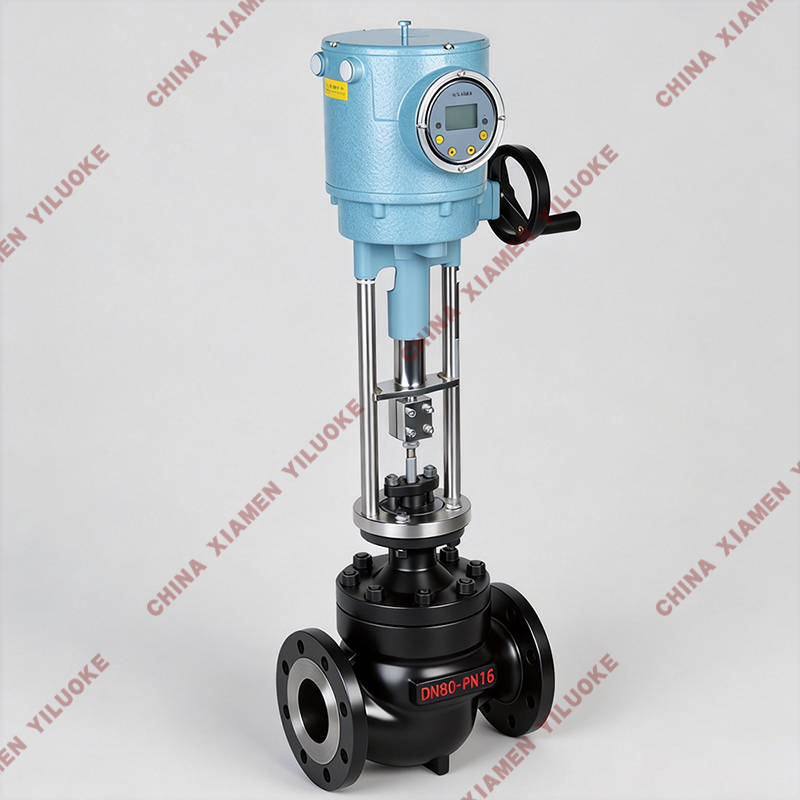
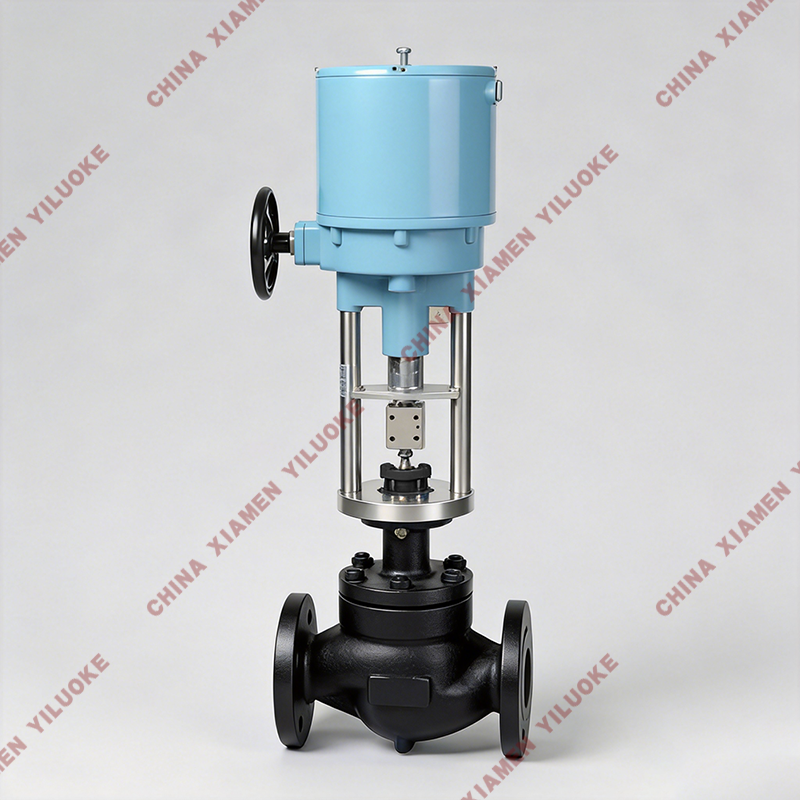
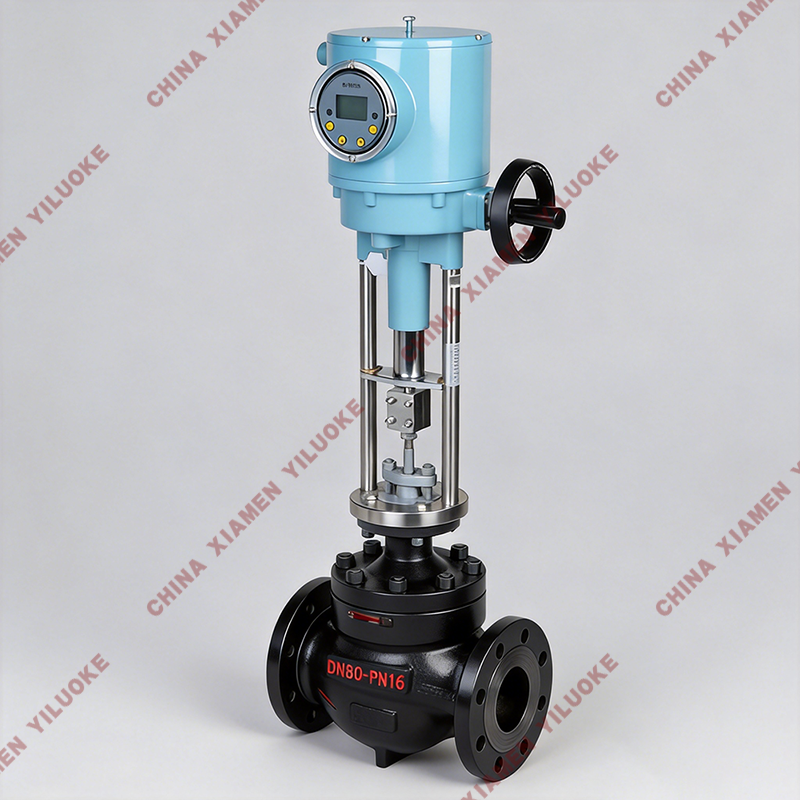
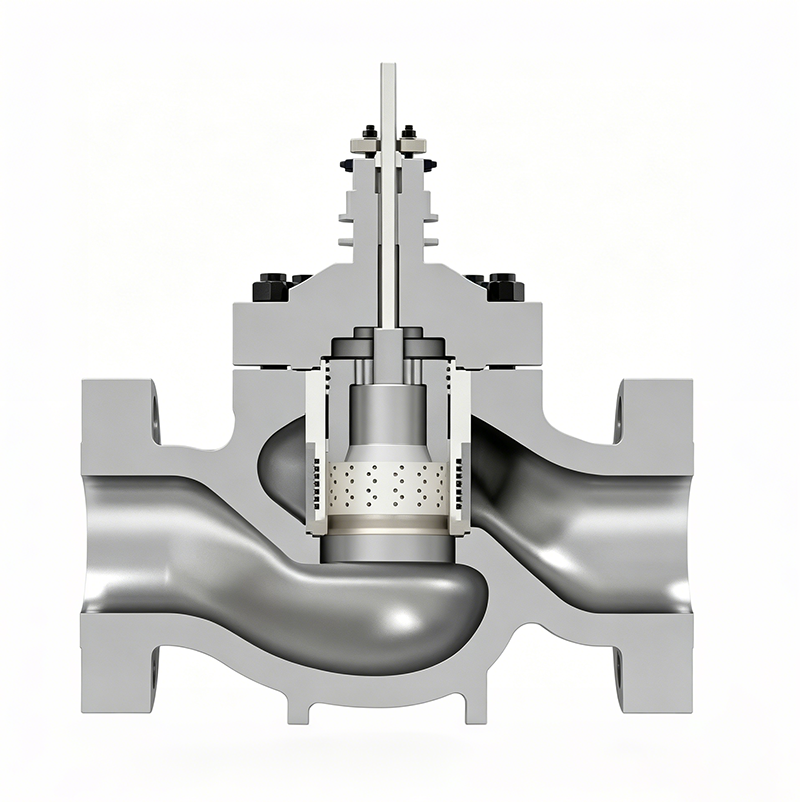
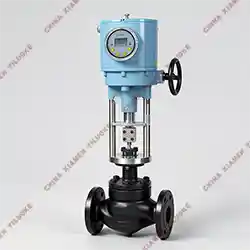
The electric sleeve control valve is a pressure-balanced regulating valve. It adopts sleeve-guided, pressure-balanced double-seal plug structure with S streamlined flow passage, delivering stable overall operation. It features large allowable pressure difference, precise flow control and low noise. It is especially suitable for working conditions with large flow rate and high differential pressure across the valve, where strict leakage prevention is not required. The product is widely used in automatic control systems of chemical, petrochemical, chemical fiber, power, metallurgy, environmental protection and other industrial sectors.
Technical Specifications
Item | Parameter |
Nominal Diameter | DN15 ~ DN400 |
Nominal Pressure | PN1.0 ~ PN10.0; Class150 ~ Class600 |
Operating Temperature Range | -196℃ ~ 565℃ |
End Connection Type | Flanged, Welded, Threaded |
Valve Body Material | WCB, CF8, CF8M, CF3M, TA, C-276, 2205 |
Trim Material | 304, 304+Stellite, 316, 316+Stellite, 316L, 316L+Stellite, 17-4PH, C-276 |
Bonnet Type | Standard, Radiating, Extended, Bellows Seal, Bellows Seal with Radiating Fin |
Flow Characteristic | Equal Percentage, Linear |
Leakage Class | Metal seal: Class IV; Soft seal: Class VI (per ANSI B16.104) |
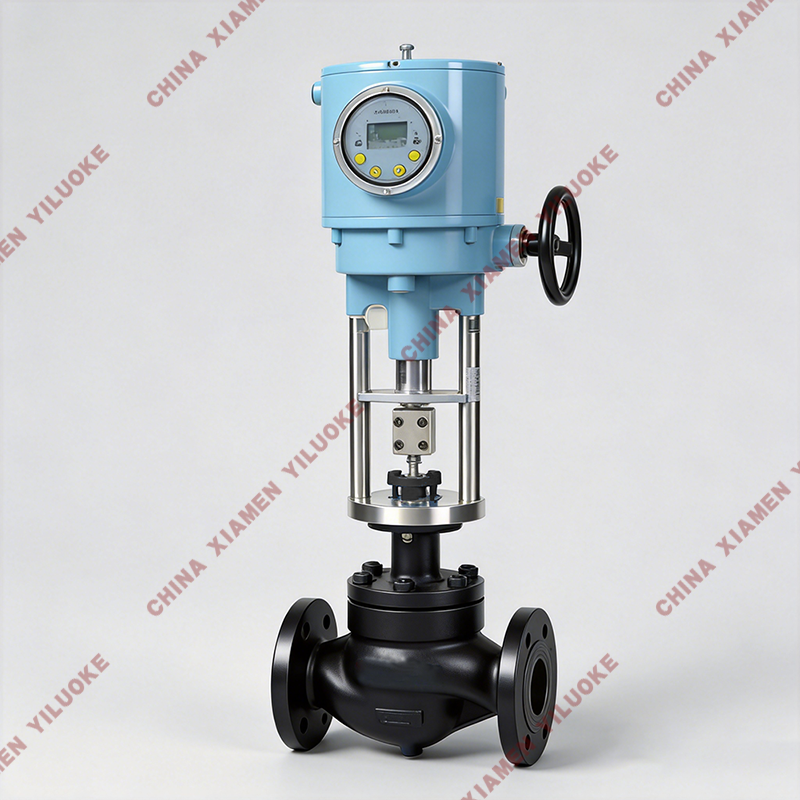
Electric Actuator Model | 3810L series, PSL series, DTL series, etc. |
Power Supply | AC220V, AC380V, DC24V |
Input Signal | DC4-20mA, DC0-10V, DC1-5V |
Product Features
The S-shaped flow channel restrains vortexes caused by complex flow paths and irregular turbulent flow from sudden flow area expansion, realizing efficient and stable medium circulation.
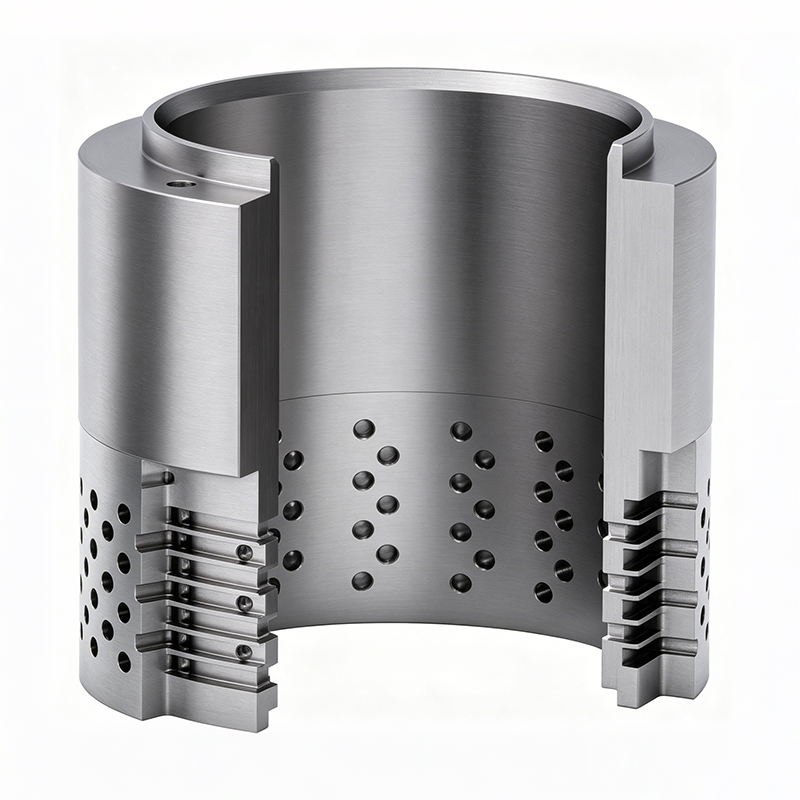
Modular design with excellent interchangeability and versatility. Different flow coefficients and flow characteristics can be achieved by replacing different sleeves.
Pressure balanced structure greatly reduces unbalanced force acting on the plug. It also provides damping effect to stabilize valve operation, making it applicable for high differential pressure and low-noise service.
Easy installation and maintenance. The seat is clamped between valve body and bonnet without threaded connection, simplifying assembly and overhaul work.
Leave Your Message
Products categories
-
Pneumatic Micro‑Flow Control Valve
-
Electric Temperature Control Valve
-
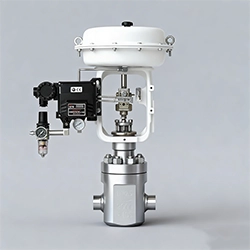
Pneumatic High‑Pressure Control Valve
-
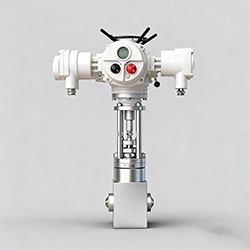
Electric High‑Pressure Control Valve
-
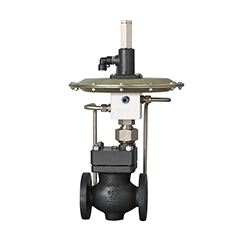
Self-Operated Micro Pressure Control Valve
-
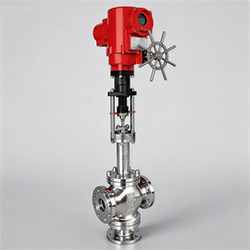
Electric 3-Way Control Valve
-
Pneumatic Actuated 3-Way Control Valve
-
Electric Sleeve Control Valve
-
Intelligent Electric Control Valve