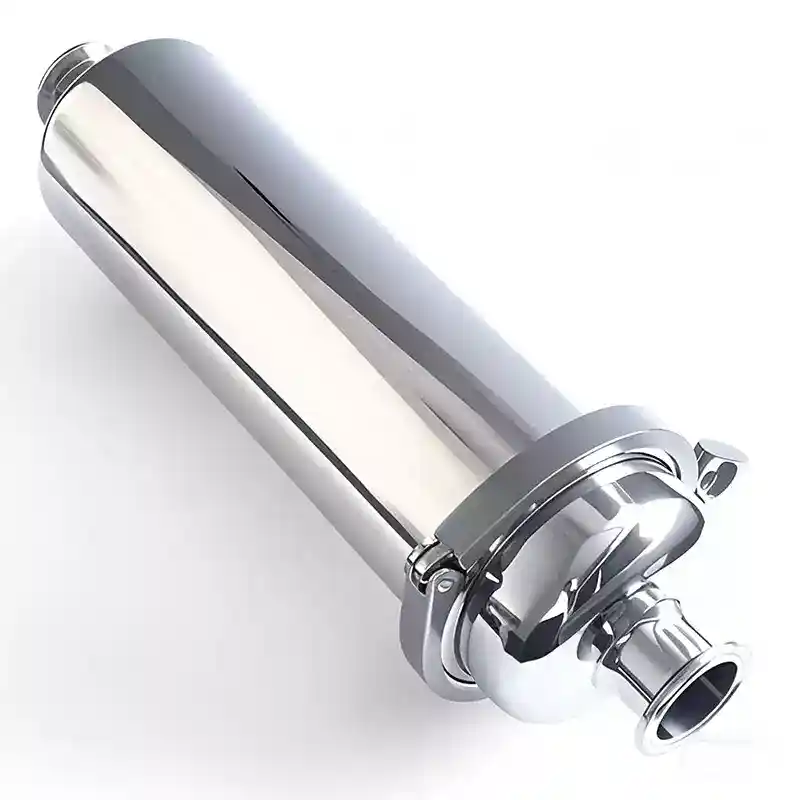


Sanitary Straight-Through Pipeline Filters
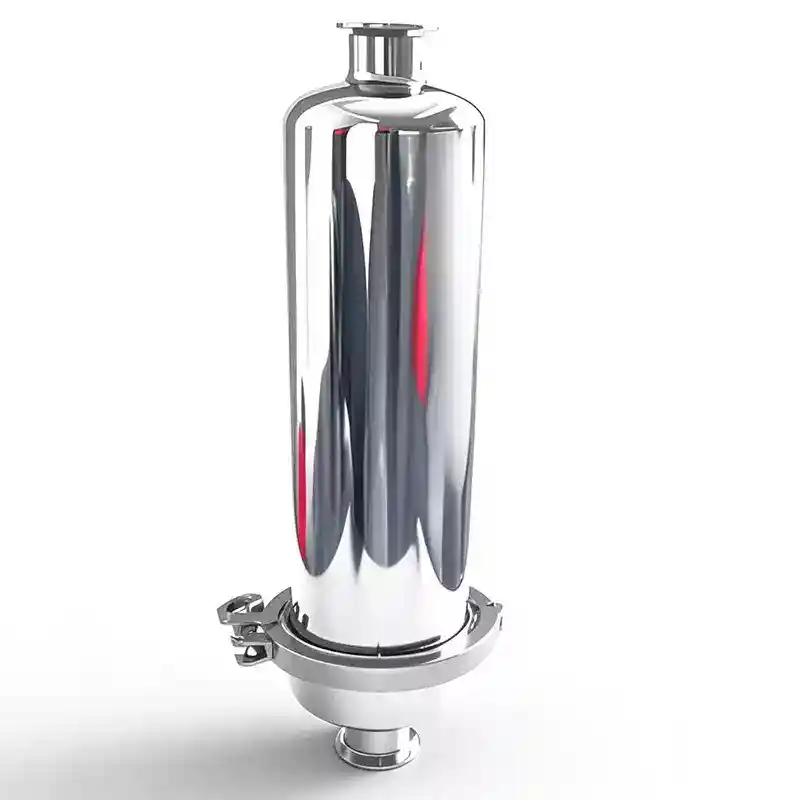
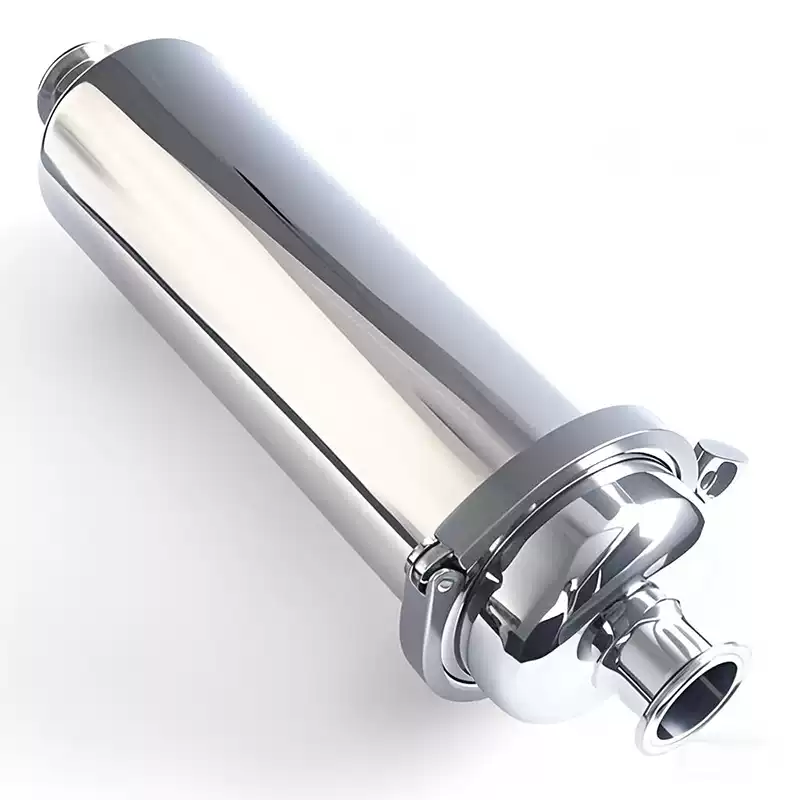
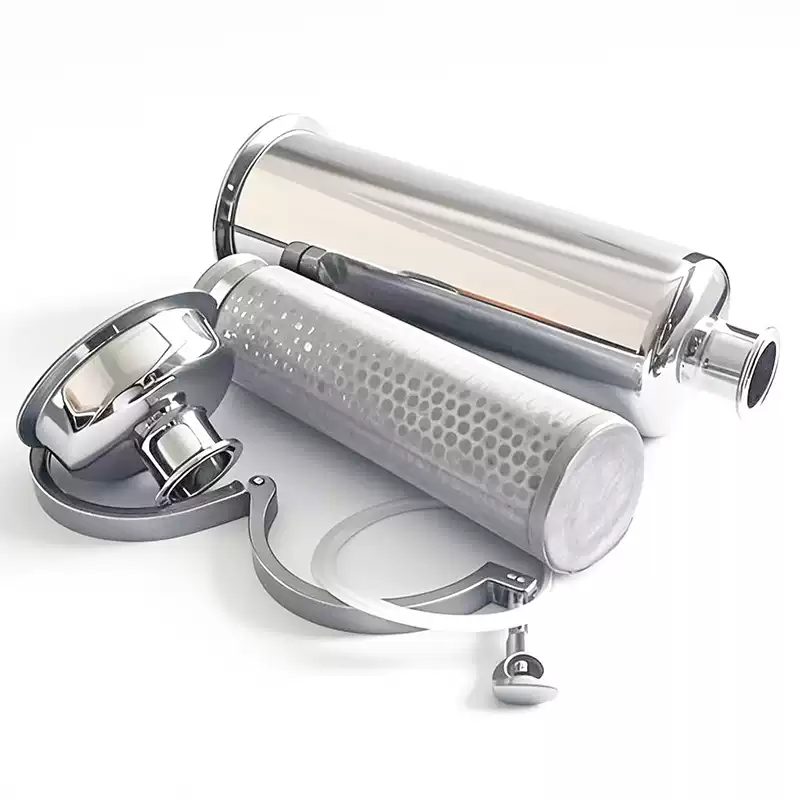
Sanitary Straight-Through Pipeline Filters - Overview, Working Principle & Technical Parameters
Sanitary straight-through pipeline filters are mainly used in food processing, cosmetics, some chemical industries, and auxiliary services of the pharmaceutical industry to filter particles that may damage pumps, instruments, and other equipment. Due to their characteristics of compact structure, strong filtering capacity, and convenient maintenance, they are widely applied in fields such as beverages, pharmaceuticals, and dairy products.
Working Principle of Sanitary Straight-Through Filter
Sanitary filters are used to prevent solid particles in the filtered medium from entering subsequent pipeline equipment. When the medium enters a filter element of a certain specification from the filter inlet, the larger solid particles or impurities are retained in the filter element, and the filtered medium flows out from the outlet to meet the usage requirements. When the pressure difference across the filter exceeds the requirement or the filter element is damaged, it is only necessary to take out the filter element, clean it or replace it, and reinstall it for use.
This type of sanitary filter is divided into three structures: angle filter, Y-type filter, and straight-through filter.
Technical Parameters of Sanitary Straight-Through Filter
Specification: From DN25 / 1" to DN150 / 6"
Easy to disassemble: Just remove the clamp
Connection: Welded, Clamp, Threaded connection (mm or inch)
Standard: 3A, DIN, SMS, RJT, IDF
Operating Temperature: -10℃ to 120℃ (140℃ for short periods or disinfection)
Mesh Size: 0.5mm to 2.0mm
Screen: 30 mesh to 300 mesh
Parts in contact with materials: 1.4404/AISI 316L, 1.4301/AISI 304
Other stainless steel parts: 1.4301/AISI 304
Surface Treatment: Polished
Sealing Element: EPDM, compliant with FDA 17.2600