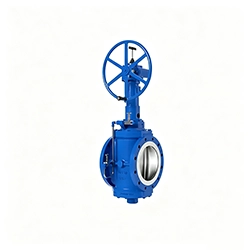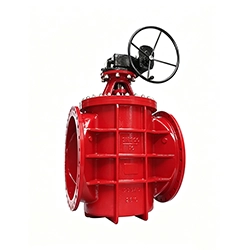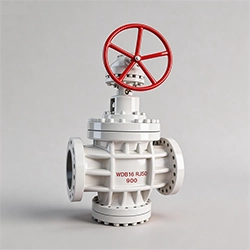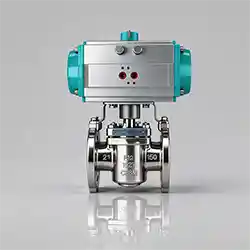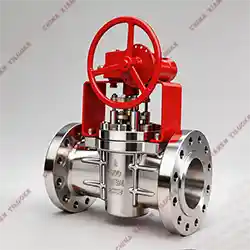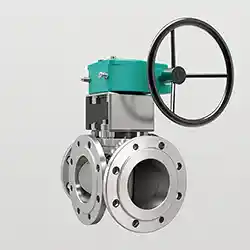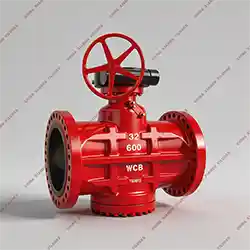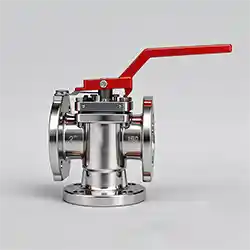


4-Way Plug Valve
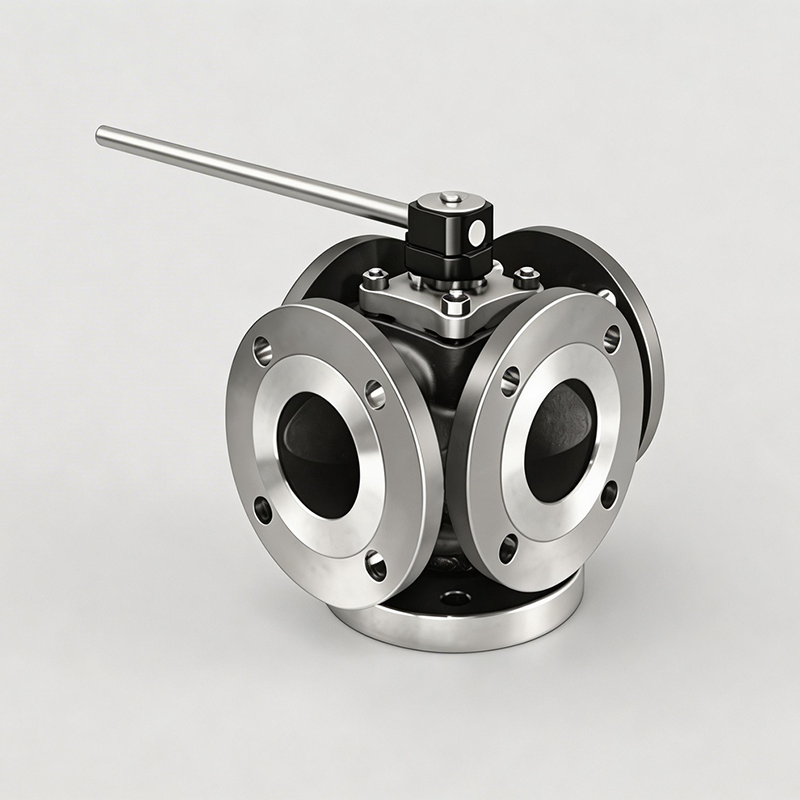
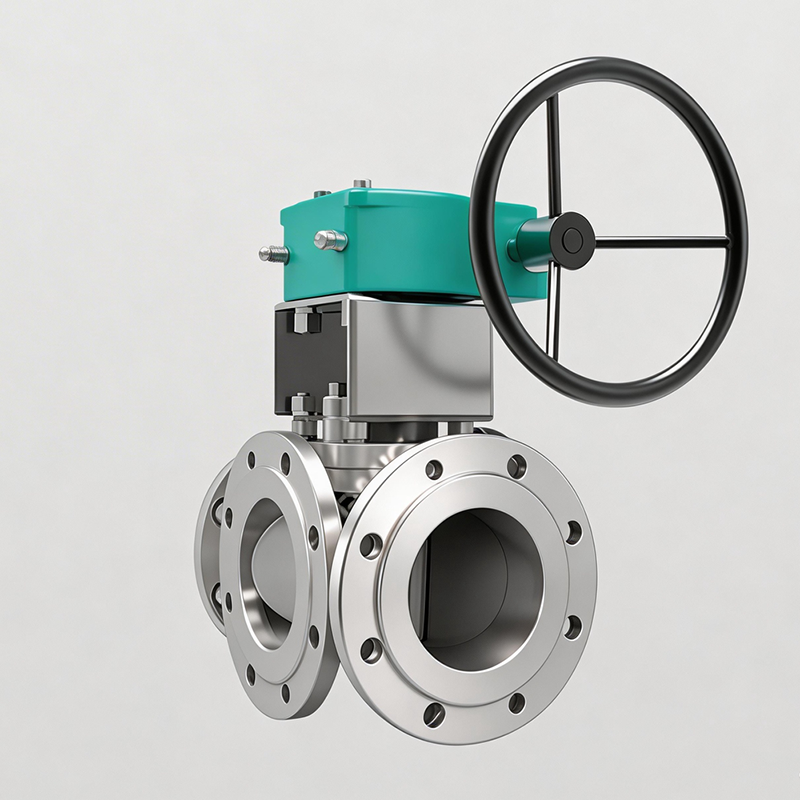
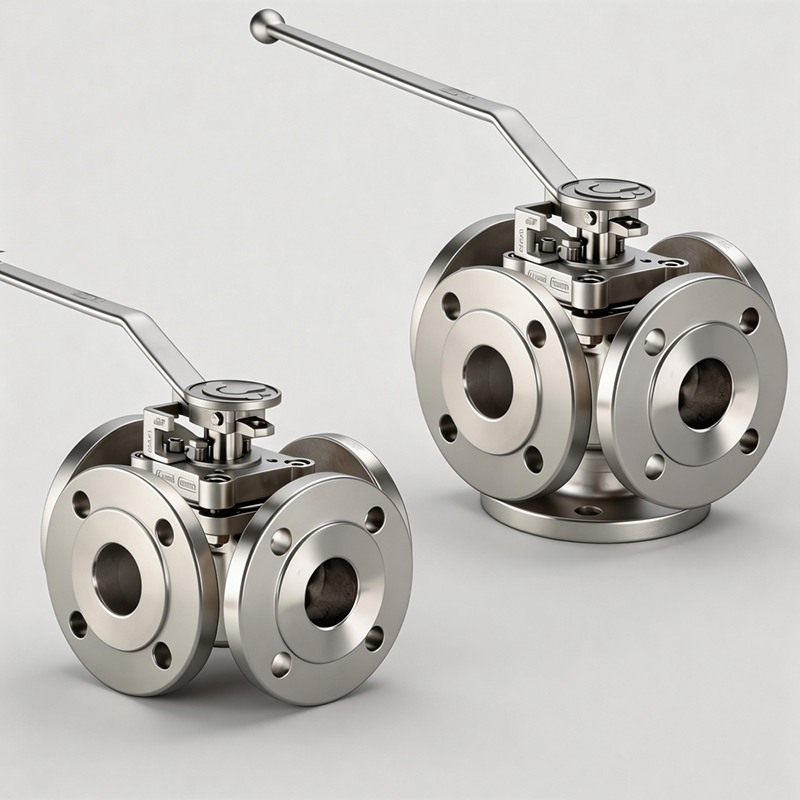
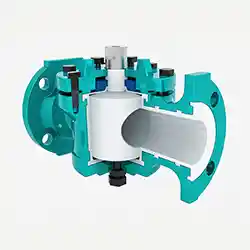
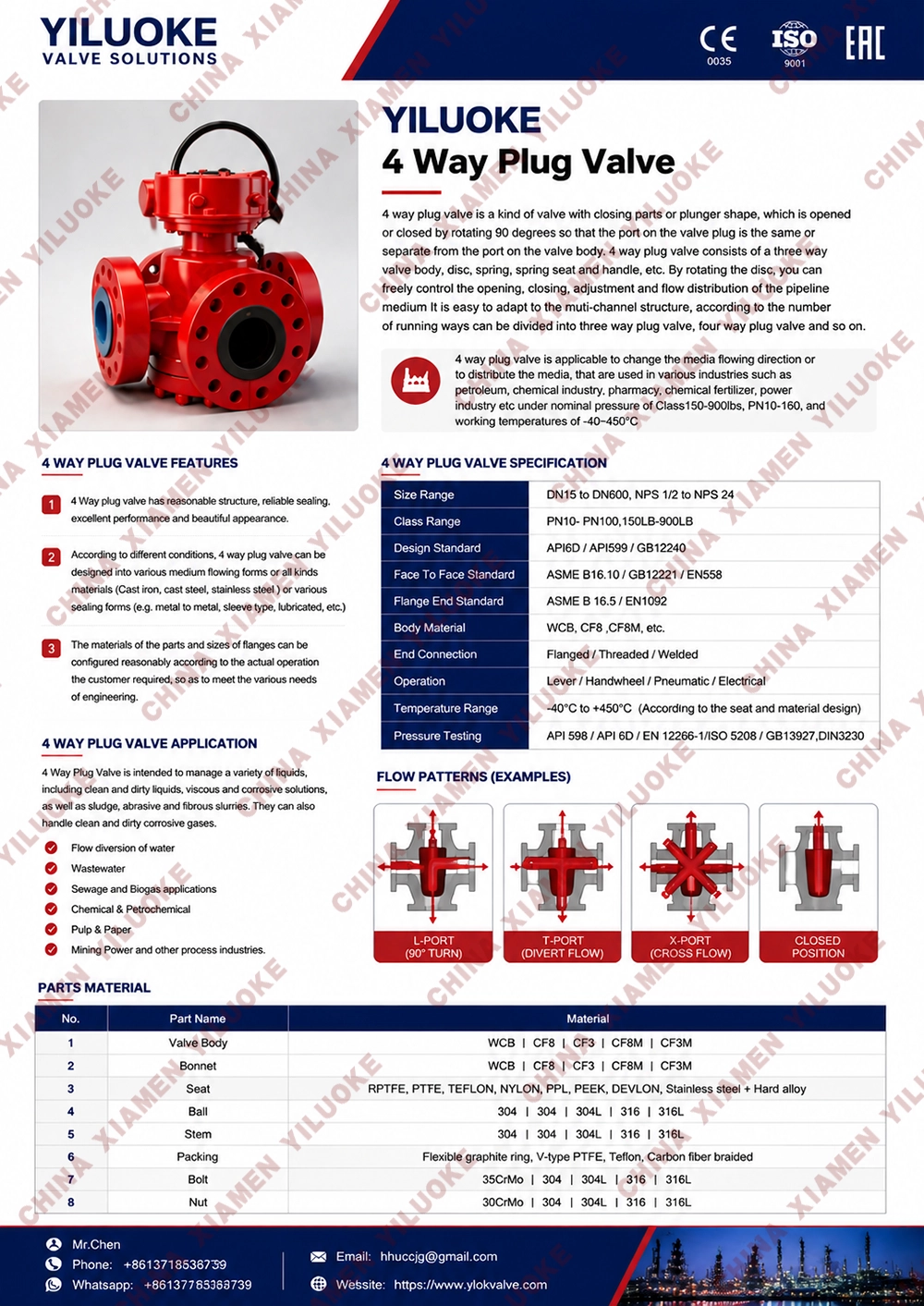
The 4‑way plug valve changes the fluid flow direction or adjusts flow rate by rotating the plug. Multiple flow passages are arranged inside the plug. When the plug rotates to different positions, these passages connect with the inlet and outlet ports on the valve body to realize fluid distribution, mixing, shut‑off and other functions.
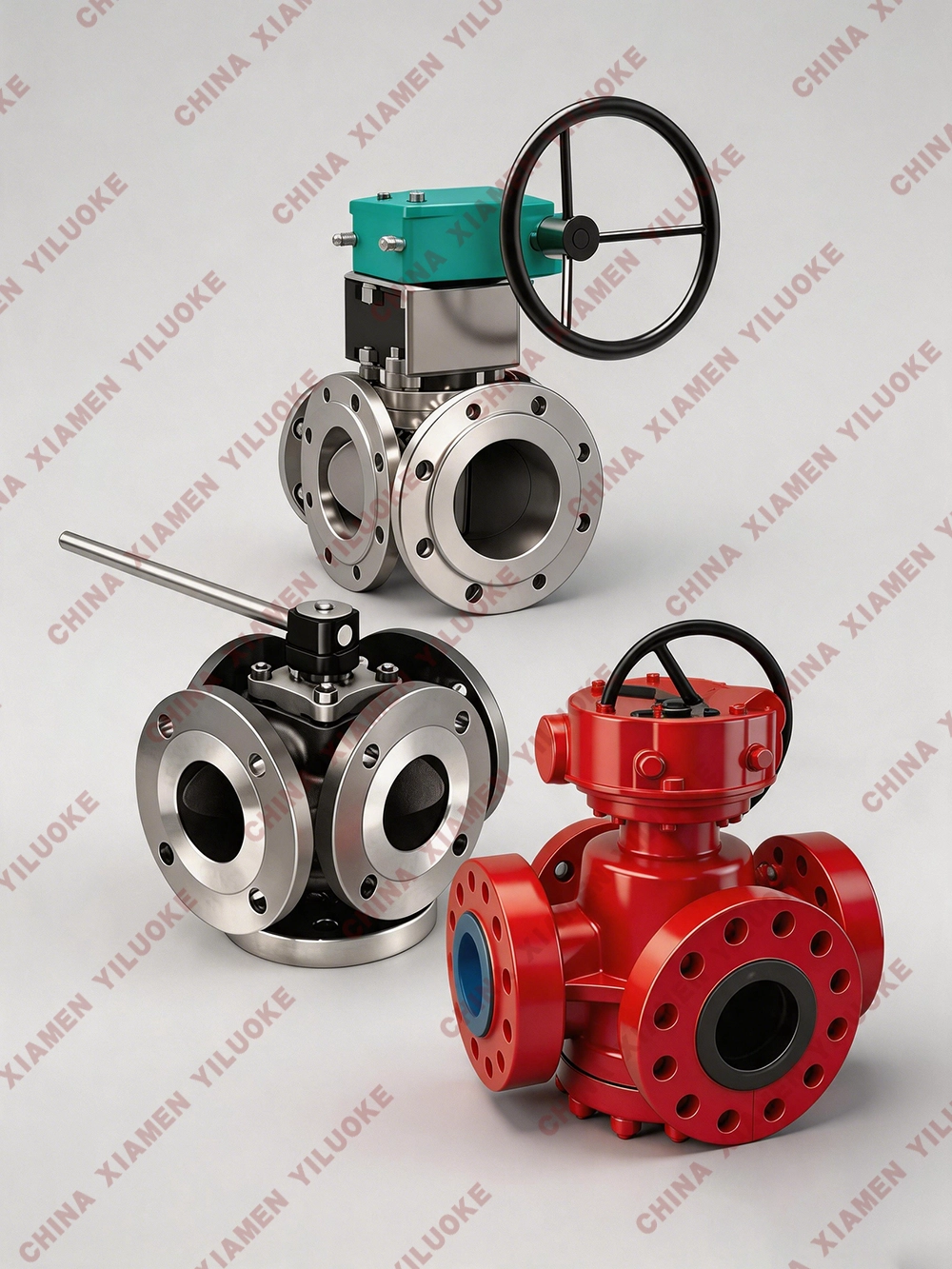
Features & Advantages
| Item | Description |
| No cavity | Cavity‑free design |
| 360° radial lip design | Ensure sleeve sealing performance |
| Sleeve performance | No cold flow, deformation or rotation of sleeve |
| Large shut‑off area | Guarantee durable inline sealing |
| Maintenance | Easy inline adjustment |
| Operation performance | No jamming, no sticking |
Technical Parameters
| Parameter | Specification |
| Size Range | DN15‑350mm, NPS 1/2"‑14" |
| Working Pressure | PN2.0‑11.0 MPa, Class150‑600 |
| Valve Body Material | A105, LF2, F304, F316, F304L, F316L, F51, WCB, LCB, WCC, CF8, CF8M, CF3, CF3M, A890 4A, etc. |
| Actuation | Manual, gear operated, pneumatic, electric, hydraulic |
| Compliant Standards | ANSI, API, DIN, EAC, JIS, CE, ISO, EN, GB |
| Application | Reactor feed switching, pipeline medium distribution, filter system back‑washing, multi‑tank switching, fuel system, cooling system management and other working conditions |
Construction Materials
Wide range of material options available:
Carbon steel
Stainless steel
Nickel alloy
Other materials upon request
Size Range
1/2″ to 8″ / DN15‑DN200 * Subject to pressure class and port configuration
Pressure Class
Class 150 & 300 / PN10‑40
Temperature Range
‑20°F to 600°F (ASME B16.34) / ‑100°C to +280°C, depending on selected material
Body End Connection
Flanged ends
Welded ends
Special Options
Broad selection of sleeve materials
Fire‑safe design
Various limit‑switch configurations
Application of 4‑Way Plug Valve
The 4‑way plug valve is mainly used for flexible flow direction switching of pipelines to realize non‑stop system operation. In industrial processes, medium flow paths often need to be changed according to working conditions. Its four‑port layout independently completes two‑way flow switching: for example, medium enters from port A and exits from port B, or enters from port C and exits from port D, without additional pipeline valves.
In hydraulically driven construction machinery, it rapidly switches hydraulic oil to upper or lower chamber of hydraulic cylinder to control extension and retraction of actuators, delivering much faster response than multi‑valve combinations. In chemical heat‑exchange sections, plug rotation diverts high‑temperature heat‑transfer media between units without shutdown, avoiding production loss caused by plant outage.
Technical Specifications
| Item | Parameter |
| Structure Type | BB‑BG |
| Operation Mode | Handle, worm gear drive, pneumatic, electric |
| Design Standard | API 599, API 6D, GB12240 |
| Face‑to‑Face Dimension | ASME B16.10, GB12221, DIN3202 |
| Connecting Flange | ASME B16.5, JB79, GB9113, DIN2543‑2545 |
| Test & Inspection | API 599 & API 6D, GB13927, DIN3230 |
Product Performance Specifications
| Nominal Pressure (LB) | Shell Test Pressure (MPa) | Seat Test Pressure (MPa) | Nominal Pressure (MPa) | Shell Test Pressure (MPa) | Seat Test Pressure (MPa) |
| 150 | 3.0 | 2.2 | 1.6 | 2.4 | 1.76 |
| 300 | 7.5 | 5.5 | 2.5 | 3.75 | 2.75 |
| 600 | 15.0 | 11.0 | 4.0 | 6.0 | 4.4 |
| 900 | 22.5 | 16.5 | 6.4 | 9.6 | 7.04 |
| — | — | — | 10.0 | 15.0 | 11.0 |
| — | — | — | 16.0 | 24.0 | 17.6 |
FAQ
1:What are the differences between 4‑way ball valves and 4‑way plug valves?
Sealing structure: Ball valves seal via sphere sealing rings; plug valves rely on the fit of tapered plugs with metal or soft seals.
Flow resistance: Ball valves have lower flow resistance with smooth bore; tapered plugs of plug valves block media and cause higher pressure drop.
Operating torque: Ball valves open and close effortlessly; plug valves feature large friction and heavy operation.
Applicable working conditions: Ball valves fit high/low pressure and various media; plug valves are mostly used for low‑pressure normal‑temperature pipelines.
Maintenance: Sealing rings of ball valves are easy to replace; worn tapered plugs of plug valves are harder to repair.
Related Products:4‑way Ball Valve